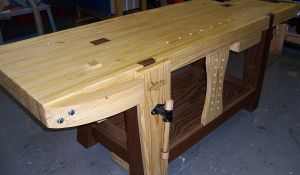
Having a cozy & warm workspace is crucial when woodworking. It significantly improves the quality of your projects in addition to creating a more enjoyable work environment. This post will discuss the advantages of having a warm workspace for woodworkers as well as the significance of doing so. For wood shops, there are various heating system options available, each with advantages and disadvantages of their own.
Key Takeaways
- Keeping your wood shop warm is important for both comfort and safety.
- Forced air heating systems are effective and efficient, but can be noisy and blow dust around.
- Radiant heating systems provide a comfortable heat, but can be expensive to install.
- Wood stove heating is a traditional and reliable option, but requires regular maintenance and can be a fire hazard.
- Electric heating is energy efficient and easy to install, but can be expensive to operate.
Let’s examine each type in more detail:1. One of the most popular forms of heating systems in wood shops is forced air heating. Here are some details about how these systems operate and the advantages they offer. The way these systems operate is by forcing heated air through vents and ducts to provide warmth all over the room.
Forcible air heating systems’ primary benefit is their capacity to heat up a big space rapidly. These can be easily installed and are reasonably priced. However, if not properly maintained, they can be noisy and may result in problems with air circulation. 2. Benefits and Drawbacks of Radiant Heating Systems: Radiant heating systems heat surfaces & objects in the wood shop directly by emitting infrared radiation.
Its capacity to deliver reliable, cozy warmth is well recognized for this kind of heating system. Because it doesn’t rely on air circulation, it is also energy-efficient. In contrast to forced air systems, radiant heating systems can be more expensive to install and may take longer to heat the room. 3. Conventional & Trustworthy Choice: Wood Stove Heating For woodworking shops, wood stove heating is a conventional & trustworthy choice.
| Heating Option | Pros | Cons | Cost |
|---|---|---|---|
| Electric Space Heater | Easy to use, portable, no installation required | Expensive to run, may not provide enough heat for larger spaces | |
| Wood Stove | Provides a cozy atmosphere, can burn scrap wood, cost-effective in the long run | Requires installation, may not be allowed in some areas, can be a fire hazard if not used properly | |
| Propane Heater | Easy to use, portable, can provide heat for larger spaces | Requires propane tank, can be expensive to run, may produce fumes | |
| Radiant Floor Heating | Provides even heat distribution, can be energy-efficient, no visible heating elements | Requires installation, can be expensive, may not be suitable for all types of flooring |
The fuel used in these heating systems is wood, which produces heat. Warm and comfortable surroundings are a well-known feature of wood stoves. Moreover, they are reasonably priced and useful as a standby heating source in the event of a power grid failure. However, regular maintenance is necessary for wood stove heating, which includes ash disposal and chimney cleaning.
Also, a steady supply of firewood is needed. 4. Energy-efficient & simple to install, electric heating systems are another well-liked option for woodworking shops. The heat produced by these systems is dispersed throughout the room using electricity. Easy installation and energy efficiency are two well-known features of electric heating systems. Also, they need little upkeep and are rather quiet.
But when compared to other heating systems, they can be more expensive to run, particularly in places with high electricity costs. 5. Gas Heating: Economical & Potent Gas heating systems, like those powered by propane or natural gas, are renowned for being economical and having potent heating capabilities. The heat produced by burning gas in these systems is then dispersed throughout the wood shop.
Large areas can be heated rapidly & efficiently by gas heating systems. They also have a reasonably low operating cost. To ensure safety, they need to be installed by professionals and maintained on a regular basis. 6. Utilizing the sun’s energy to produce heat, solar heating systems are both environmentally friendly & sustainable.
The solar panels used in these systems absorb sunlight & transform it into heat that is useful. Because they use renewable energy, solar heating systems are environmentally benign and sustainable. Over time, they may also contribute to lower energy expenses. Solar heating systems, however, might not be appropriate for every wood shop, particularly those situated in locations with little sunlight. Several things need to be taken into account when selecting a heating system for your wood shop:1.
Dimensions: Your wood shop’s dimensions will dictate the necessary heating power. Make sure the heating system you select can adequately heat the entire area. 2. Energy efficiency: To save operating expenses and lessen the system’s negative environmental effects, take the heating system’s energy efficiency into consideration. 3.
Installation and upkeep: Assess the heating system’s installation needs as well as its continuing maintenance requirements. Regular maintenance & expert installation may be necessary for certain systems. 4. Cost: Consider both the heating system’s initial purchase price and ongoing operational expenses. Select a system that gives the best value for your money after taking your budget into account. 5.
Safety: Make sure the heating system you select complies with safety regulations and has integrated safety measures to avert mishaps. For your wood shop, it is crucial to maintain and operate the heating system in a safe and effective manner once you have selected & installed one. Here are some things to remember for upkeep and safety:1. Maintain appropriate airflow and prevent dust accumulation by routinely cleaning & inspecting the heating system, including the filters, vents, and ducts. 2.
Set up yearly maintenance inspections with a specialist to find & fix any possible concerns before they worsen. Three. To lessen the chance of a fire, keep combustible materials away from heating systems. 4.
Put in carbon monoxide detectors to keep an eye on the air quality and find any possible leaks in your woodworking shop. 5. When using the heating system, adhere to the manufacturer’s operating instructions and refrain from using it for anything other than heating. The quality of your woodworking projects and your comfort both depend on keeping your wood shop at a comfortable temperature. Heaters come in a variety of varieties, each with advantages and disadvantages of their own. The size of your space, energy efficiency, cost, installation & maintenance requirements, and safety are all important considerations when selecting a heating system.
To keep your wood shop heating system operating safely and effectively, you must perform routine maintenance and abide by safety regulations. You can improve your woodworking experience by creating a warm and cozy workspace with the right heating system and ongoing maintenance.
If you’re looking for some inspiration for your next woodworking project, be sure to check out this article on Clever Wood Projects. They offer a wide range of woodworking plans for your DIY projects, providing step-by-step instructions and detailed diagrams to help you create beautiful pieces. Whether you’re a beginner or an experienced woodworker, these plans are sure to enhance your skills and creativity. And while you’re at it, don’t forget to explore their top woodworking videos of the week for additional tips and techniques. With Clever Wood Projects, the possibilities are endless! (source)
FAQs
What are the common heating options for a wood shop?
The common heating options for a wood shop include electric heaters, propane heaters, natural gas heaters, wood stoves, and radiant heaters.
What is the most cost-effective heating option for a wood shop?
The most cost-effective heating option for a wood shop depends on the size of the shop and the availability of fuel sources. Electric heaters are generally the most expensive, while wood stoves and radiant heaters can be more cost-effective in the long run.
What is the best heating option for a large wood shop?
The best heating option for a large wood shop is typically a natural gas or propane heater, as they can provide a large amount of heat quickly and efficiently.
What are the safety considerations when using a wood stove in a wood shop?
When using a wood stove in a wood shop, it is important to ensure that the stove is properly installed and vented to prevent the buildup of carbon monoxide. It is also important to keep flammable materials away from the stove and to have a fire extinguisher nearby.
What are the benefits of using a radiant heater in a wood shop?
Radiant heaters provide heat directly to objects and people in the room, rather than heating the air. This can be more efficient and cost-effective, as well as providing more comfortable heat.
What are the drawbacks of using an electric heater in a wood shop?
Electric heaters can be expensive to operate, especially in larger spaces. They also may not provide enough heat for larger wood shops, and can be a fire hazard if not used properly.