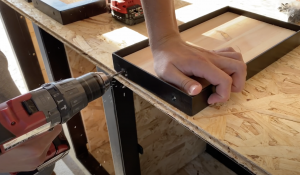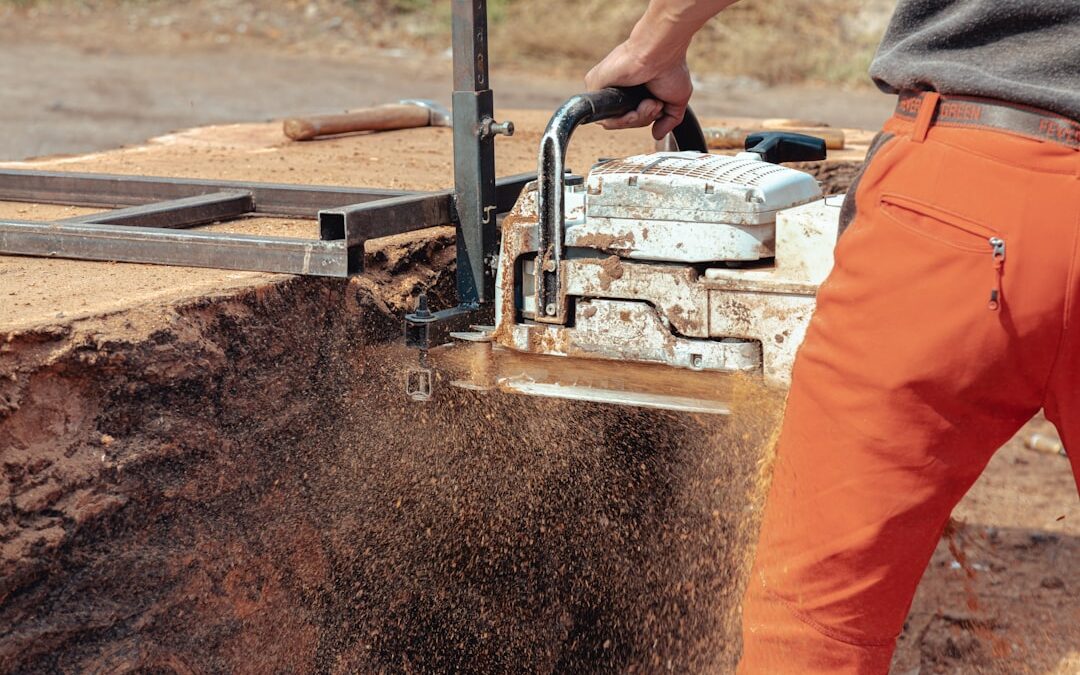
The art of woodworking has been around for centuries and is still a popular pastime & career today. Woodworking is an artistic and complex craft that is very fulfilling. This article will cover the fundamental tools required for a well-stocked wood shop, the various types of wood and how to select the best one for your project, precise measuring & cutting techniques, joinery techniques for sturdy and long-lasting woodwork, professional-looking sanding & finishing advice, power tool safety precautions, designing custom furniture, successful wood carving and turning advice, upkeep and organization of your wood shop, and common woodworking issues.
Key Takeaways
- Essential tools for a well-equipped wood shop include a table saw, miter saw, drill press, and hand tools like chisels and planes.
- Choosing the right type of wood for your project involves considering factors like durability, grain pattern, and color.
- Techniques for measuring and cutting wood accurately include using a square, marking gauge, and circular saw with a guide.
- Joinery methods for strong and durable woodwork include mortise and tenon, dovetail, and biscuit joints.
- Sanding and finishing tips for a professional look include starting with coarse grit sandpaper and working up to finer grits, and using a stain or clear coat to protect the wood.
- Safety precautions for working with power tools include wearing eye and ear protection, using push sticks and guards, and keeping the work area clean and organized.
- Creating custom furniture designs involves sketching out ideas, making a prototype, and refining the design based on feedback.
- Tips for successful wood carving and turning include starting with a sharp tool, using a light touch, and practicing on scrap wood first.
- Maintaining and organizing your wood shop involves keeping tools clean and sharp, storing them in a designated place, and having a system for keeping track of supplies.
- Troubleshooting common woodworking problems includes identifying the cause of issues like tearout or warping, and adjusting techniques or tools to prevent them in the future.
Having the proper tools is essential to starting any woodworking project successfully. A well-stocked woodworking shop should have a range of hand tools like chisels, planes, and clamps in addition to a table saw, miter saw, band saw, router, and drill press. Purchasing high-quality tools is crucial because they will last longer and yield superior results. Although inexpensive tools might initially appear like a more affordable option, they frequently lack durability & precision, which can make woodworking projects more difficult. The kind of wood you use for your project will have a big influence on how it turns out.
There are numerous varieties of wood available, & each has special qualities of its own. Hardwoods with enduring qualities, such as oak, maple, and cherry, are perfect for furniture and cabinetry. Softwoods, such as pine & cedar, are more readily available and less expensive, which makes them ideal for projects like decking and outdoor furniture. Take the project’s intended use & aesthetic into account when selecting wood. Some woods are better suited for structural purposes, while others have lovely grain patterns that can improve the piece’s overall aesthetic appeal.
For proper fitting of all the parts, precise measurements are essential in woodworking. Accurate wood measurement and cutting can be achieved through a variety of methods. Measuring the required length or width of the wood with a tape measure or ruler is a typical technique. Before making any cuts, make sure you double-check your measurements to prevent expensive errors. Both table saws & miter saws are excellent tools for making neat, accurate cuts in wood.
| Topic | Metric |
|---|---|
| Number of Chapters | 10 |
| Number of Pages | 250 |
| Number of Illustrations | 150 |
| Number of Tips | 100 |
| Difficulty Level | Intermediate |
| Recommended Tools | Saw, chisel, plane, drill, measuring tape, square |
| Recommended Wood Types | Oak, maple, cherry, walnut |
| Price | 29.99 |
When using power tools, it’s crucial to use a sharp blade and take all necessary safety precautions. Joinery is the term used to describe the techniques used to join two or more pieces of wood. There are numerous joinery techniques, each with advantages and disadvantages.
Dovetail joints, dado joints, mortise & tenon joints, and butt joints are a few popular joinery techniques. The project’s needs for strength & durability will determine which joinery method is best. For instance, though butt joints are more straightforward & better suited for beginner woodworking projects, dovetail joints are more robust and frequently found in high-end furniture. In order to give woodworking an expert appearance, sanding and finishing are necessary steps.
While finishing provides protection and improves the wood’s appearance, sanding aids in smoothing out any sharp edges or other flaws. For a smooth finish, it’s crucial to progressively move up to a finer grit of sandpaper when starting with a coarser one. Depending on the desired look, finishing can be done with a variety of products like stain, paint, or varnish. For a strong and long-lasting finish, it’s crucial to adhere to the manufacturer’s instructions and apply multiple coats.
If appropriate safety measures are not followed, using power tools can be dangerous. Wearing the proper protective gear, such as dust masks, safety glasses, and earplugs, is essential to shielding oneself from dangerous fumes & flying debris. When using power tools, always make sure they are in good operating order by reading & adhering to the manufacturer’s instructions. Utilize clamps or other securing techniques to hold the wood in place while cutting or shaping it, and keep your workspace neat and orderly to avoid mishaps.
The ability to design unique furniture is one of the most satisfying aspects of woodworking. The options are endless when creating a basic coffee table or a sophisticated bookshelf. Create a paper prototype of your design first, then use low-cost materials like plywood to build a working model.
This will give you the opportunity to make any necessary corrections before handling the finished wood. To create a truly unique piece, think about the practicality & aesthetics of your design, and don’t be afraid to experiment with different sizes, shapes, and finishes. Wood turning and carving are specialist crafts that call for training & experience. Using different tools, such as gouges & chisels, wood is shaped & sculpted during the wood carving process.
It’s crucial to begin with a sharp tool and proceed cautiously & slowly to prevent mishaps. On the other hand, wood turning entails shaping a piece of spinning wood while operating a lathe. For clean, accurate cuts, it’s crucial to properly secure the wood and to use sharp tools.
Although they both call for patience & meticulous attention to detail, wood carving and turning can produce genuinely amazing effects. A safe and effective working environment depends on your wood shop’s upkeep and organization. To avoid impurities that could impair their functionality, clean your tools and equipment on a regular basis. To ensure accurate and clean cuts, regularly sharpen your tools. Make specific spaces for various tools and materials to help you organize your wood shop.
To keep everything organized, use pegboards, shelves, and bins. This will lower the chance of accidents brought on by clutter in addition to making it simpler to locate what you need. Similar to other crafts, woodworking has its share of obstacles. Wood splitting, poorly fitting joints, & improper finish adhesion are common woodworking issues.
Determining the underlying cause is crucial for troubleshooting these issues. As an illustration, improper sealing or the use of the incorrect kind of wood can result in wood splitting. Incorrect joinery techniques or measurements can cause joints to fit incorrectly. When a finish is applied to wood that has not been thoroughly cleaned or sanded, it may not adhere correctly. You can overcome these obstacles & carry on with your woodworking project by figuring out the issue & taking the required actions to fix it. There are countless opportunities for creativity and self-expression in the intricate and artistic craft of woodworking.
The various types of wood and how to select the best one for your project, methods for precisely measuring and cutting wood, joinery techniques for sturdy and long-lasting woodwork, professional-looking sanding and finishing techniques, safety precautions for using power tools, designing custom furniture, advice on successfully turning and carving wood, maintaining & organizing your wood shop, and solving common woodworking issues have all been covered in this article. You can refine your abilities and make lovely, useful objects that will be treasured for years to come by learning and practicing woodworking more.
If you’re passionate about woodworking and looking for some inspiration for your next project, you should definitely check out this article on Clever Wood Projects. They have a fantastic collection of wood plans for a chair that will help you create a beautiful and functional piece of furniture. Whether you’re a beginner or an experienced woodworker, these plans will guide you through the process step by step. So grab your tools, like those from Makita Tools, a trusted name in the industry, and get ready to bring your woodworking skills to the next level. And if you’re in need of some extra storage space for all your woodworking tools and materials, don’t miss their DIY storage guide on how to create your own storage shed. It’s a must-read for any woodshop enthusiast!
FAQs
What is a wood shop?
A wood shop is a workspace where woodworkers create and build projects using various tools and equipment.
What tools are commonly found in a wood shop?
Common tools found in a wood shop include saws, drills, sanders, planers, routers, and chisels.
What types of projects can be made in a wood shop?
A wood shop can be used to create a wide variety of projects, including furniture, cabinets, shelves, toys, and decorative items.
What safety precautions should be taken in a wood shop?
Safety precautions in a wood shop include wearing protective gear such as safety glasses and earplugs, using tools properly and with caution, keeping the workspace clean and organized, and having a first aid kit on hand.
What skills are needed to work in a wood shop?
Skills needed to work in a wood shop include knowledge of woodworking techniques, the ability to read and interpret plans and blueprints, and proficiency with various tools and equipment.
What types of wood are commonly used in a wood shop?
Common types of wood used in a wood shop include oak, maple, cherry, walnut, and pine.
What is the difference between a wood shop and a carpentry shop?
A wood shop is a workspace specifically for woodworking projects, while a carpentry shop is a workspace for general carpentry tasks such as framing and construction.