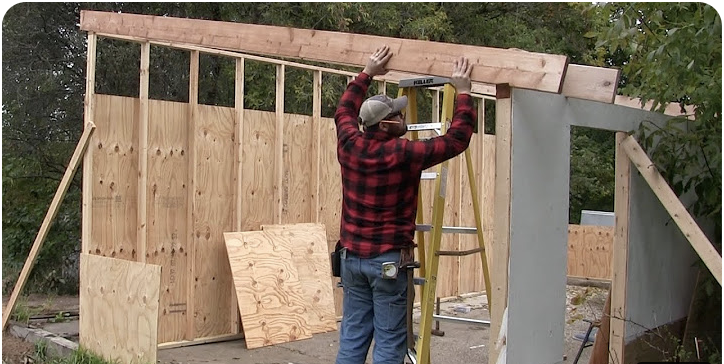
If you’re looking to build a storage shed, then you’ll need to know some basic information. These include the types of materials to use for the exterior and interior of the building, as well as the type of location you’ll be placing the structure.
Preparing the ground for the shed
If you are planning to build a storage shed, you will need to decide on the best way to prepare the ground before you do so. This will vary depending on the type of shed you are building, your budget, and the soil conditions.
For example, a cast concrete foundation is a common choice, but it is not always a practical option. You can also choose to install a paving slab instead. To make this possible, you will need to remove the top layer of the ground.
Using a rake or a landscaping rake is a good way to level the ground. Be careful to remove any weeds, grass, or other debris, or you could end up with a mess.
One of the most efficient ways to prepare the ground for a storage shed is to create a gravel base. However, you need to make sure the gravel is level before you place your shed.
Choosing a shed kit
Storage sheds come in various shapes, sizes, and materials. You should choose one that will fit your budget and your needs. Whether you are looking for a shed to store gardening tools, gardening equipment, or lawn mowers, there are many options available.
Shed kits are an inexpensive way to get the extra space you need. They come in a variety of sizes, and you can even build them on site. These buildings come in metal, plastic, or wood.
If you are looking for a storage building that can be transported to your home, a prefab shed kit may be the answer. A prefab shed kit is easy to assemble. However, if you don’t have the skills necessary to install a shed, you may want to seek professional assistance.
Choosing a siding material
Choosing a siding material for your storage shed is crucial. The material should suit your needs and be durable. It should also look good in your yard. There are several materials available, but wood is still the most popular.
The choice of siding will depend on the location of your shed, your budget, and your personal preference. Ultimately, it will help you protect the contents of your shed and keep it looking nice.
Wood is a great option for most types of sheds. It offers a beautiful finish and is easy to install. You can choose from several types and colors. However, natural wood is more prone to moisture and rot.
Engineered wood is a stronger and more durable material. In addition, it can be painted or stained. A painted finish is easier to maintain, but you will need to re-paint every two or three years.
Assembling the roof trusses
If you want to build a shed roof, you need to understand the different types of trusses. Trusses are important to help support your shingles and keep the roof waterproof. But they can also be dangerous if built incorrectly. To prevent structural problems, follow these steps.
The first step is to make a basic outline of your truss. This can be done with a drawing or a cardboard template. Make sure you use a ruler to make sure you have the proper angles. Once you have the drawing, you can cut your plywood to the correct dimensions.
Next, you will need to cut your rafters. You can either cut them with a circular saw or use a jigsaw. When cutting, be sure to cut on a level surface. Use a chisel to smooth out any rough edges.
Choosing a location
Choosing the right location for your storage shed is a big deal. It’s important to choose a location that will help you keep your belongings safe and dry. Fortunately, you have several options available to you. However, you should weigh them all in light of your specific needs.
The best location for your shed should be near your home, but not directly in your backyard. This will minimize problems caused by excessive moisture. You’ll also have to account for obstacles like trees and utility lines.
A good way to find the optimal location for your shed is to walk around your property and see what’s out there. You’ll need to know how much room you have to spare for the shed’s foundation, as well as what landscaping you’re going to surround it with.