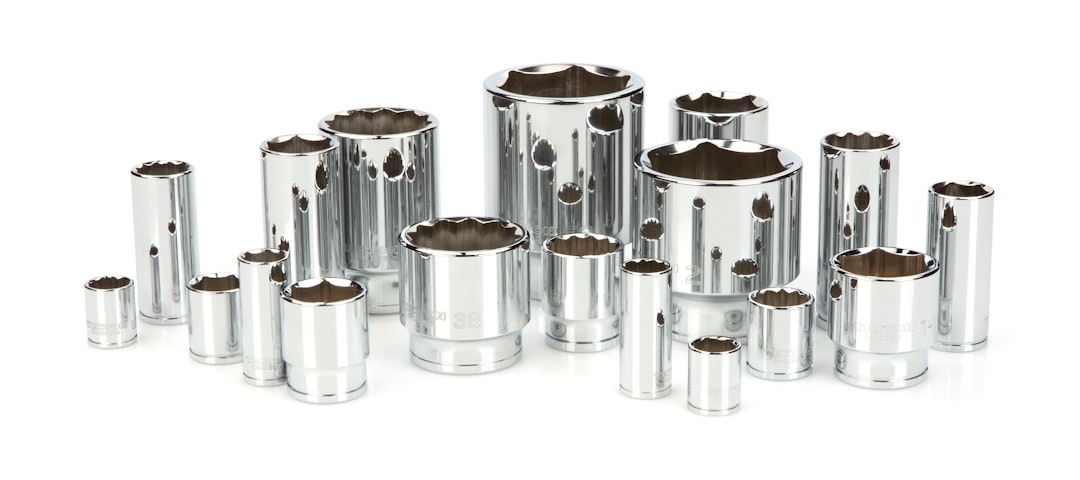
Precision, perseverance, and skill are necessary for the craft of woodworking. Having the appropriate equipment and accessories in your wood shop is crucial for success, regardless of experience level. We’ll look at the essential tools that every woodworker needs to have in their toolbox in this blog post. We will cover everything, from hand tools to power tools, safety equipment to precision measuring tools, & everything in between. Now let’s get started & learn about the necessary wood shop accessories that will advance your woodworking endeavors. It’s crucial to talk about safety before we explore the fascinating world of woodworking tools.
Key Takeaways
- Essential wood shop accessories include safety equipment, measuring tools, clamps, hand tools, power tools, dust collection systems, workbenches, storage solutions, finishing supplies, and additional accessories.
- Must-have safety equipment for woodworking includes eye and ear protection, dust masks, and gloves.
- Precision measuring tools such as tape measures, squares, and calipers are necessary for accurate cuts.
- Types of clamps for holding wood in place include bar clamps, pipe clamps, and spring clamps.
- Essential hand tools for woodworking include saws, chisels, hammers, and screwdrivers.
- Power tools such as drills, saws, and sanders can make woodworking more efficient.
- Dust collection systems help keep the workspace clean and safe.
- Workbenches and storage solutions are important for organization and efficiency.
- Finishing supplies such as sandpaper, stains, and varnishes can give a professional look to woodworking projects.
- Additional accessories for specialty woodworking tasks may include jigs, templates, and router bits.
When working with wood, it can be dangerous if safety measures are not followed. For this reason, in any wood shop, safety should always come first. The following are some vital safety supplies that any woodworker needs to have on hand:1.
Safety glasses: When working with wood, it’s important to keep your eyes safe. Your eyes are protected from flying sawdust, debris, and other potential hazards by wearing safety glasses. 2. Ear protection: Using power tools makes woodworking particularly noisy. Wearing ear protection, like earplugs or earmuffs, can help shield your hearing. 3.
Woodworking generates a lot of dust, which is dangerous to breathe in. Wear a dust mask. You can protect your lungs by using respirators or dust masks to filter out tiny particles.
| Accessory | Description | Importance |
|---|---|---|
| Workbench | A sturdy surface for woodworking tasks | Essential |
| Clamps | To hold wood pieces together during cutting or gluing | Essential |
| Sawhorses | To support wood pieces during cutting or sanding | Important |
| Measuring tools | Tape measure, ruler, square, etc. for accurate measurements | Essential |
| Safety gear | Goggles, ear protection, dust mask, etc. for safety | Essential |
| Drill and bits | To make holes for screws or dowels | Important |
| Sander | To smooth out rough edges or surfaces | Important |
| Chisels | To carve or shape wood | Important |
| Router | To create decorative edges or shapes | Important |
| Workshop vacuum | To keep the workspace clean and free of sawdust | Important |
The cornerstone of successful woodworking is precise measurement. If you don’t take exact measurements, your cuts might be uneven & lead to misfitting joints and uneven surfaces. The following are some basic measuring instruments that every carpenter needs to own:1. Tape measure: An accurate way to measure both width and length is with a tape measure, which is a powerful tool.
For increased convenience, look for a tape measure with a locking mechanism. 2. Measurement, marking, & squareness checks can all be done with a combination square, which is a multifunctional tool. It is made up of a sliding head that can be locked at different angles and a ruler. 3. Calipers: These tools provide extremely accurate measurements of small distances.
Precision woodworking requires the use of calipers, which are available in different varieties such as digital and vernier calipers. When working with wood, clamps are a necessary tool. You can work on wood pieces without worrying about them moving or slipping because of how securely they hold the wood together. The following list of various clamp types and their applications:1. Bar Clamps: Bar clamps are useful tools for a variety of woodworking applications.
They are made out of a long bar with a sliding jaw that can be tightened to secure the wood. 2. Using pipes rather than bars, pipe clamps are comparable to bar clamps. They can apply a lot of pressure & are perfect for bigger projects. 3. Spring Clamps: These compact, lightweight clamps work well for momentarily joining small parts together. They offer quick and convenient clamping and are simple to use.
Even in a world where power tools rule, hand tools are still useful in woodworking. Unlike power tools, they provide control, accuracy, and a sense of kinship with the craft. The following hand tools are necessities for any woodworker:1. Chisels: These tools are used to shape and carve wood.
These are available in a range of sizes and shapes, so you can use them to make smooth surfaces & detailed details. 2. Crosscutting, ripping, and even joinery can be accomplished with hand saws, which are incredibly useful instruments. Seek out a high-quality hand saw with well-gripped teeth. Three. Hand Planes: To flatten and smooth wood surfaces, utilize hand planes.
Moreover, they can be utilized to chamfer and shape edges. To achieve accurate and effective woodworking, purchase a high-quality hand plane. Power tools can greatly expedite the woodworking process, even though hand tools have their advantages. They let you work more productively & quickly, especially on bigger projects.
Every woodworker needs to own the following power tools:1. The central component of any woodworking shop is the table saw. It can be used to create angled cuts as well as crosscuts and straight cuts. Seek for a table saw with safety features and a strong fence system. 2. Drill Press: Drilling exact holes at different depths is made possible with the help of this multipurpose tool.
For woodworking operations like doweling, mortising, and pocket hole drilling, it is indispensable. 3. Router: A router is a multipurpose tool that can be used for cutting joinery, shaping edges, & making ornamental profiles. For any woodworker who wants to add intricacy and detail to their projects, this is an essential tool. Significant amounts of dust are produced during woodworking, which can be harmful to your health & the cleanliness of your workspace. Consequently, it is imperative to have a dust collection system. The following are a few varieties of dust collection systems:1.
Shop vacuums are designed to collect dust and are both portable and multipurpose. They can be attached to power tools so that dust is captured right at the source, keeping your workspace tidy. 2. Dust Collectors: These are usually stationary, bigger, more potent systems. Larger wood shops would benefit greatly from their ability to manage higher dust volumes.
When woodworking, having a tidy workspace is essential. It enables you to work productively, locate supplies and tools with ease, and keep your workspace tidy and clutter-free. The following list includes various kinds of workbenches and storage options: 1.
Conventional Workbench: A traditional workbench is a heavy-duty, robust bench that offers a level surface for woodworking operations. Usually it has multiple storage options and a vise to hold wood in place. 2. Hanging & arranging your tools is possible with a pegboard tool organizer, which is a multipurpose storage option. It gives you a visual reminder of what you have & keeps your tools close at hand.
Any woodworking project must finish in order to have a polished appearance. It draws attention to the wood’s inherent beauty, shields it from damage and moisture, and gives the whole thing a richer, deeper look. The following finishing supplies are necessary:1. Sandpaper: Used to smooth and remove imperfections from wood surfaces. It’s essential for getting a smooth and even finish and comes in different grits, from coarse to fine. 2. Wood Stain: Wood stain is used to highlight the wood’s grain & add color.
It can be applied to create a variety of effects, from delicate to striking, and comes in a broad spectrum of colors. 3. Polyurethane: This protective coating offers resilience and is impervious to heat, moisture, and scratches. It can be sprayed on or applied with a brush, & it comes in a variety of sheens like gloss, satin, and matte. Aside from the necessary accessories listed above, there are other accessories that can help with particular woodworking projects.
The following are some extra accessories:1. Dovetail Jig: Dovetail joints are renowned for their strength and visual appeal, and they are made using a dovetail jig. It provides accurate and reliable dovetails by guiding your router or hand saw. 2. Drill Press Mortising Attachment: With a drill press mortising attachment, you can make mortises fast and precisely. It is a very useful & time-saving tool for joinery work. In conclusion, a successful woodworking endeavor depends on having the appropriate equipment & accessories in your shop.
Each accessory, from dust collection systems to power tools, clamps to hand tools, safety gear to precision measuring tools, workbenches to finishing supplies, and everything in between, is essential to improving your woodworking experience. Thus, make the appropriate tool and accessory purchases, put safety first, and get the most out of your woodworking endeavors. I hope you enjoy working with wood!
If you’re looking to enhance your woodworking experience, you won’t want to miss out on the Imaginarium Wooden Work Bench. This versatile and durable workbench is a must-have for any woodshop enthusiast. It provides ample space for all your projects and comes with various accessories to make your woodworking tasks easier and more efficient. To learn more about this fantastic workbench, check out this detailed product review on Clever Wood Projects. While you’re at it, don’t forget to explore their other informative articles, such as “Woodworking Plans: What You Need to Know” and “Firewood Shed Plans: Your Ultimate Guide.” These resources will surely help you take your woodworking skills to the next level.
FAQs
What are wood shop accessories?
Wood shop accessories are tools and equipment that are used in woodworking shops to aid in the creation of wood products. These accessories can range from safety equipment to measuring tools to specialized machinery.
What are some common wood shop accessories?
Some common wood shop accessories include saw blades, drill bits, sandpaper, clamps, chisels, routers, planers, and dust collection systems.
Why are wood shop accessories important?
Wood shop accessories are important because they help woodworkers to create high-quality products efficiently and safely. They also help to ensure that the finished product is accurate and meets the desired specifications.
Where can I buy wood shop accessories?
Wood shop accessories can be purchased from a variety of sources, including hardware stores, woodworking supply stores, and online retailers. It is important to choose a reputable supplier to ensure that you are getting high-quality products.
How do I choose the right wood shop accessories?
Choosing the right wood shop accessories depends on the specific needs of your woodworking project. Consider factors such as the type of wood you are working with, the size and complexity of the project, and your budget when selecting accessories. It is also important to choose accessories that are compatible with your existing tools and equipment.