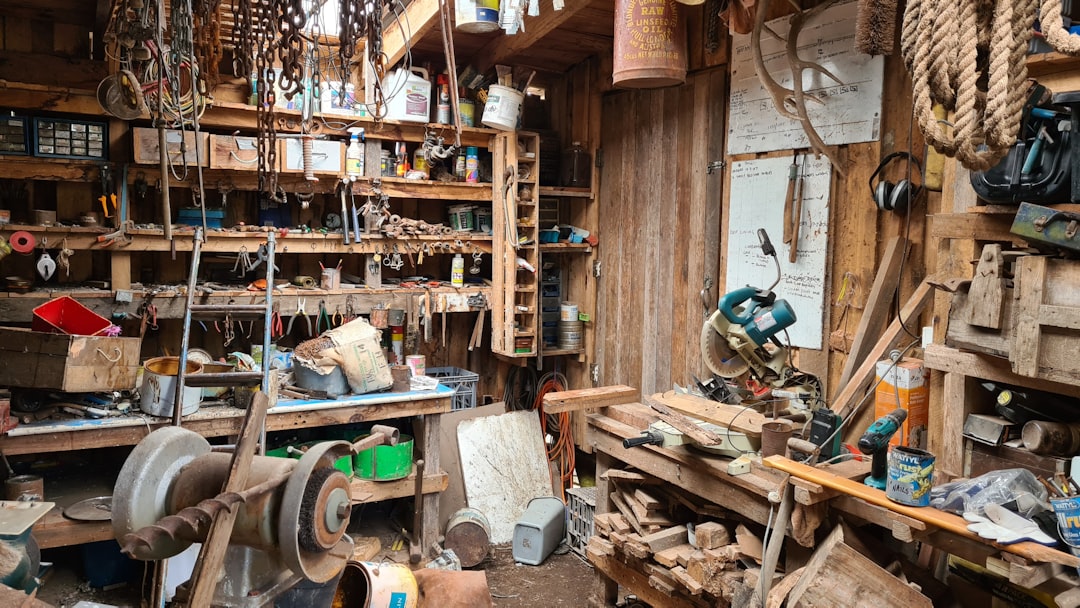
As more people come to appreciate the beauty & craftsmanship that go into creating these one-of-a-kind pieces, artisanal furniture has become more and more popular. This piece will examine the craft of handcrafted furniture, its enduring legacy, and the reasons it is unique in a world where mass-produced goods predominate. We will explore the passion behind artisanal design, the beauty of imperfection, and the painstaking process that goes into making each piece. We will also talk about the distinct design features that make artisanal furniture stand out, the expanding artisanal furniture trend, and the advantages it has for the environment. Lastly, we’ll look at how artisanal furniture can represent a person’s unique taste & style.
Key Takeaways
- Handcrafted furniture is a timeless tradition that has been passed down through generations.
- Imperfections in artisanal furniture add to its charm and uniqueness.
- Artisanal furniture is crafted with passion and a focus on design.
- The artisanal furniture-making process involves transforming raw materials into artistic masterpieces.
- Artisanal furniture design sets itself apart with its unique touch and attention to detail.
Furniture made by hand has a long and illustrious history that goes back centuries. Furniture was crafted by talented artisans who devoted their time & knowledge to creating aesthetically pleasing & functional pieces before mass production. These artisans were well-liked in their communities and their creations were frequently handed down through the generations. The use of traditional techniques & meticulous attention to detail distinguishes artisanal furniture. No two pieces are exactly the same because every single one is painstakingly made by hand.
Each piece of artisanal furniture is genuinely unique due to its uniqueness, which enhances its charm and character. In artisanal furniture, imperfections are often embraced because they give each piece a sense of individuality and authenticity. These flaws could be minor knots and cracks, subtle color changes, or variations in the wood grain. These flaws are accepted as a part of the raw beauty of the materials rather than being perceived as defects.
For instance, a tiny knot in a wooden tabletop can be viewed as an asset rather than a weakness. In addition to adding character, it narrates the tale of the tree that provided the wood. Because mass-produced goods are frequently made to be perfect & uniform, artisanal furniture is distinguished from them by these imperfections. The production of artisanal furniture requires a lot of passion. Loving what they do & wanting to create something genuinely unique are what motivate artisanal furniture makers.
| Product Name | Material | Dimensions | Price |
|---|---|---|---|
| Handcrafted Wooden Chair | Wood | 20″ x 20″ x 36″ | 250 |
| Handmade Coffee Table | Wood, Metal | 48″ x 24″ x 18″ | 500 |
| Artisanal Bookshelf | Wood | 36″ x 12″ x 72″ | 800 |
| Handcrafted Dining Table | Wood, Metal | 72″ x 36″ x 30″ | 1200 |
The attention to detail & commitment that go into each piece show this passion. With an emphasis on quality and craftsmanship, artisanal furniture is made in contrast to mass-produced furniture, which is frequently designed with efficiency and cost-effectiveness in mind. The finest materials are chosen with care and attention by artisan furniture makers. They also make sure that every piece is made to last by paying great attention to the design & construction processes. Craftsmanship is involved in the multi-step, labor-intensive process of making artisan furniture. The first step is choosing the raw materials, which are picked based on their durability & beauty.
Solid wood, metal, glass, and even repurposed materials can be used as these materials. The artist starts the process of shaping and forming the chosen materials into the desired piece after they have been selected. Using age-old methods like dovetail joints or mortise and tenon joints, this may entail cutting, carving, and joining the materials together. Because even the smallest error can have an impact on the outcome, each step of the process calls for skill and precision. Distinctive features distinguish artisanal furniture design from furniture manufactured in large quantities.
Hand-painted details, elaborate carvings, or even the use of unusual materials can be examples of these components. To create furniture that is truly art, artisanal makers frequently take inspiration from history, nature, and their own inventiveness. Its distinctive design features add to the piece’s overall appeal and make it a focal point in any space. A piece of artisanal furniture, such as a sculpture chair, a hand-painted cabinet, or a headboard with intricate carvings, elevates any room.
Growing consumer demand for distinctive & superior furniture has resulted in an increasing trend toward artisanal furniture in recent years. One could interpret this trend as a response to the mass-produced goods that now control the market. Having something that is meticulously crafted, as opposed to something that is produced by a machine, is becoming more & more appealing to people. An increase in small businesses and artisans entering the market has been a major effect of the artisanal furniture revolution on the industry.
Because of this, there is now a wider range of styles and designs available, providing customers with more options. A newfound appreciation for traditional craftsmanship and the abilities needed to produce these pieces has also resulted from the demand for artisanal furniture. The ideal balance between form & function is one of the distinguishing characteristics of artisanal furniture design. In addition to being exquisite to look at, artisan furniture is made with practicality & functionality in mind.
Every component is expertly made to guarantee that it fulfills its intended function in addition to looking good. For instance, a dining table that is handcrafted might have an eye-catching, distinctive design, but it is also made to withstand regular use. In order to ensure that guests can enjoy their meals in comfort, the chairs that go with the table are made to be supportive and comfortable. Artisanal furniture is distinguished from mass-produced goods, which frequently prioritize one over the other, by its attention to both form & function. An artisanal furniture designer needs to possess a wide range of abilities.
These designers need to be extremely knowledgeable about construction methods, materials, & design concepts. They also need to have a strong sense of creativity and a sharp eye for detail. Designers of artisan furniture frequently perform dual roles, serving as both artisans and designers. From the original concept & design to the last construction and finishing touches, they are involved at every stage of the process. They are able to have total control over the outcome thanks to this hands-on approach, which guarantees that every piece meets their high standards. Aside from its exquisite design & skill, artisanal furniture is frequently a more environmentally friendly option than furniture that is mass-produced.
Reclaimed wood and recycled materials are two examples of sustainable materials that many artisans prioritize using in their designs. By doing this, the need for new resources is lessened & the environmental effect of the furniture-making process is reduced. Moreover, artisanal furniture is frequently made to last. Furniture made by artisans is made with durability in mind, as opposed to mass-produced furniture, which is meant to be replaced every few years.
As a result, there is a decreased chance that it will wind up in a landfill, which reduces waste & helps create a more sustainable future. Customizing artisanal furniture to fit your own tastes & style is one of its distinctive features. You can select the materials, finishes, and design elements that best fit your tastes thanks to the variety of options that artisanal furniture makers frequently offer. There is artisanal furniture available that can be customized to your preference, whether you like sleek modern designs or rustic farmhouse styles. With this personalization, you can design a room that is genuinely one-of-a-kind and reflects your style.
The beauty and artistry of artisan furniture continue to captivate people, making it a timeless tradition. Every piece is a work of art that brings personality and charm to any space, from the distinctive design elements to the meticulous attention to detail. A desire for quality and uniqueness in a world where mass-produced goods predominate is reflected in the growing trend of artisanal furniture. Selecting furniture made by artisans is a sustainable decision that will benefit future generations in addition to promoting traditional craftsmanship.
Thus, take into consideration the beauty and artistry of artisanal furniture the next time you’re shopping for furniture.
If you’re passionate about handcrafted furniture design, you’ll definitely want to check out this informative article on the advantages of Rockler Woodworking compared to other woodworking suppliers. Rockler Woodworking is known for its high-quality materials and tools, making it a go-to choice for many woodworkers. Whether you’re a beginner or an experienced craftsman, this article will provide valuable insights into why Rockler Woodworking is a top choice in the industry. So, if you’re looking to elevate your handcrafted furniture projects, be sure to read this article and discover the benefits of choosing Rockler Woodworking. (source)
FAQs
What is handcrafted furniture design?
Handcrafted furniture design refers to the process of creating furniture pieces by hand, using traditional techniques and tools. This type of furniture design is often associated with high-quality craftsmanship and unique, one-of-a-kind pieces.
What are the benefits of handcrafted furniture design?
Handcrafted furniture design offers several benefits, including high-quality craftsmanship, unique designs, and the use of sustainable materials. Handcrafted furniture pieces are often made to last a lifetime and can be passed down through generations.
What types of materials are used in handcrafted furniture design?
Handcrafted furniture designers often use a variety of materials, including wood, metal, glass, and natural fibers. Many designers also incorporate sustainable and eco-friendly materials into their designs, such as reclaimed wood and recycled metal.
How long does it take to create a handcrafted furniture piece?
The time it takes to create a handcrafted furniture piece can vary depending on the complexity of the design and the materials used. Some pieces may take several weeks or even months to complete, while others can be finished in a matter of days.
How can I find handcrafted furniture designers?
Handcrafted furniture designers can be found through online marketplaces, local craft fairs, and specialty furniture stores. Many designers also have their own websites or social media pages where they showcase their work and offer custom design services.