The art of woodworking dates back thousands of years, to the time of ancient civilizations. For the purpose of creating useful and beautiful objects, wood must be shaped, cut, and joined. Both enthusiasts & experts can find a multitude of opportunities in woodworking, from furniture to decorative items. There is a long history of woodworking across many nations and regions.
Key Takeaways
- Fine woodworking involves crafting high-quality furniture and decorative items from wood.
- Chests and boxes are popular woodworking projects that require precision and attention to detail.
- Choosing the right type of wood for your project is crucial for achieving the desired look and durability.
- Essential tools for fine woodworking include saws, chisels, planes, and sanders, and techniques such as measuring, cutting, and joining.
- Designing your chest or box requires careful planning and consideration of factors such as size, shape, and style.
Furniture and sculptures made of intricate wood were produced in ancient Egypt, where woodworking was highly prized. China is known for its woodworking crafts, which have led to the development & refinement of stunning wooden buildings like pagodas & temples. Around the Renaissance, woodworking in Europe rose to prominence as talented craftsmen produced ornate furniture and architectural details. Woodworking is still a popular pastime & career today.
Making something tangible with their hands brings joy and satisfaction to many people. In addition to giving people a sense of accomplishment, woodworking enables people to express their creativity and craftsmanship. Making chests and boxes is one of the most common woodworking projects. These adaptable pieces can be used for ornamental or functional purposes. Many designs and styles are available for everything from storage chests to jewelry boxes.
Both practicality and aesthetics should be taken into account when building chests and boxes. In addition to being aesthetically pleasing, a well-designed piece should accomplish its goal. A jewelry box, for instance, needs dividers and compartments to keep things organized, but a storage chest needs to be large and well-made. A woodworker’s final product’s durability, overall appearance, and tactile quality are all influenced by the type of wood they use.
| Project Name | Materials Used | Dimensions | Time to Complete |
|---|---|---|---|
| Walnut Jewelry Box | Walnut wood, brass hardware, velvet lining | 12″ x 8″ x 6″ | 20 hours |
| Maple Keepsake Chest | Maple wood, cherry accents, brass hardware | 18″ x 12″ x 10″ | 30 hours |
| Cherry Blanket Chest | Cherry wood, cedar lining, brass hardware | 36″ x 18″ x 18″ | 40 hours |
| Oak Tool Chest | Oak wood, walnut accents, brass hardware | 24″ x 12″ x 12″ | 25 hours |
Wood comes in a variety of varieties, each with special qualities of its own. Hardwoods with a reputation for strength and longevity include walnut, maple, and oak. They are frequently employed in furniture-making and other fine woodworking projects.
Hardwoods are more expensive & difficult to work with than softwoods like pine and cedar. They are frequently employed in outdoor projects and décor. Think about things like your skill level, the piece’s intended use, & the desired appearance when selecting the right wood for your project. It’s crucial to take the wood’s sustainability and availability into account. Certain wood species might be harder to find or might have detrimental effects on the environment. A set of the proper tools is necessary before starting any woodworking project.
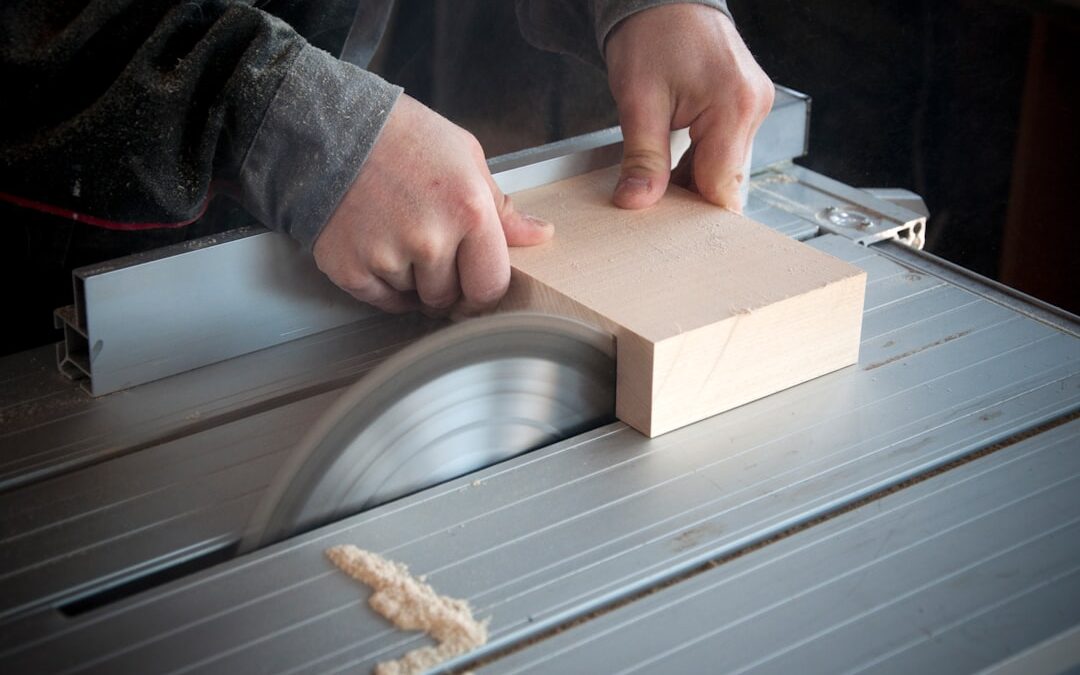
Every woodworker should have a few basic tools in their toolbox, even though the precise tools required will depend on the project. For any woodworker, a decent set of hand tools is essential. This comprises a coping saw, a mallet, a hand plane, & a set of chisels. Also, power tools like drill presses, routers, and table saws can significantly improve your woodworking skills. It’s crucial to study and become proficient in a variety of woodworking techniques in addition to having the appropriate tools. This entails precisely measuring and labeling wood, shaping & cutting it with hand or power tools, and fastening pieces together with various fasteners like nails, screws, or joinery.
Any woodworking project should start with a well-defined design. You can better see the finished product and make the necessary corrections before cutting into the wood by planning & sketching your design. Think about both form and function when building a chest or box. Consider the intended use of the piece as well as the features that are necessary for it to achieve that use. Consider the size and quantity of compartments required to hold various kinds of jewelry, for instance, when designing a jewelry box.
Think about adding intriguing features & details to make a piece that is both distinctive and useful. This could take the shape of intricate joinery techniques, carved patterns, or beautiful inlays. These little elements can turn your creation from a plain box into a work of art. Since joinery affects the final piece’s stability and strength, it is a crucial component of woodworking. To join wood pieces together, a variety of joinery techniques can be applied.
Dovetail joinery is one of the most widely used and aesthetically pleasing joinery techniques. Dovetail joints are interlocking and beautiful at the same time. They are frequently utilized in the building of boxes & drawers. The mortise and tenon joint is another frequently utilized joinery technique. In order to do this, one piece of wood must have a rectangular hole (called a mortise) cut in it, and another piece of wood must have a counterpart projection (called a tenon).
After that, the tenon is put into the mortise & fastened with dowels or glue. Butt joints, lap joints, and finger joints are examples of additional joinery techniques. Every joinery method has pros and cons, and the choice of method relies on a number of variables, including the nature of the project, the strength that is required, & the woodworker’s skill level. In woodworking, finishing is a crucial step because it improves appearance and shields the wood from harm. It’s important to properly sand & prepare the wood surface before applying any finish.
Sanding aids in removing any rough spots or imperfections from the wood. For a smooth & even finish, it’s crucial to begin with coarse grit sandpaper & work your way up to finer grit. You have two options after sanding the wood: staining or leaving it clear. Stains can bring out the wood’s inherent color & grain, while clear finishes like lacquer or varnish offer a layer of protection.
When applying finishes, it’s crucial to adhere to the manufacturer’s instructions & give yourself enough time for drying between coats. When designing your chest or box, think about using inlays and carvings to give it a touch of elegance & individuality. While carvings entail removing material from the wood to create intricate patterns or designs, inlays are decorative elements that are inserted into the surface of the material. Stone, metal, & even different kinds of wood can be used to create inlays. They can be used to make patterns, borders, or even custom designs.
Contrarily, carvings call for patience and skill. Their appearance can be greatly improved and they can range from simple designs to complex motifs. The ability to make objects that can be handed down through the generations is one of the special qualities of woodworking. Time-tested methods combined with premium materials allow you to build chests and boxes that will last a lifetime.
It is crucial to select materials that are robust and resistant to deterioration when creating heirloom-quality pieces. When building long-lasting pieces, hardwoods like mahogany, oak, and cherry are great options. Using joinery techniques like dovetails or mortise and tenon joints, which offer strength and stability, is also crucial. It’s crucial to take good care of and maintain your woodworking pieces in addition to using high-quality supplies and methods. In addition to avoiding exposure to high temperatures or moisture, this entails routine cleaning & polishing.
When your woodworking project is finished, it’s time to present your creation. Presentation is important whether you are selling your pieces to other people or just keeping them on display in your home. Take into account the overall design and aesthetic of the room when you arrange your pieces. Make sure the piece is well-lit and highlighted, & select a prominent spot where it can be appreciated. There are a number of options to consider if you want to sell the woodworking projects you create. You can connect with potential customers by using online platforms like social media and Etsy, which offer a broad reach.
Also, you may be able to display your artwork & have direct conversations with clients by taking part in craft fairs or neighborhood markets. In summary, fine woodworking is an incredibly satisfying pastime or career. Chests and boxes that are both beautiful and useful can be made that will be treasured for many generations to come if you know the history, select the best materials, learn the necessary techniques, and add distinctive details. Now gather your supplies, let your imagination run wild, and begin creating your own woodworking masterpiece.
If you’re interested in fine woodworking and looking for some inspiration, you might want to check out this article on Clever Wood Projects titled “Woodworking Crafts and Your Children.” It offers valuable insights into how woodworking can be a great way to bond with your kids and introduce them to the world of craftsmanship. From simple projects like building birdhouses to more complex ones like crafting chests and boxes, this article provides helpful guidelines and tips for involving your children in woodworking activities. So, if you’re looking for a fun and educational way to spend time with your little ones while honing your woodworking skills, be sure to give it a read!
FAQs
What is fine woodworking?
Fine woodworking is a type of woodworking that involves creating high-quality, intricate pieces of furniture or other wooden objects using traditional techniques and tools.
What are chests and boxes in fine woodworking?
Chests and boxes are types of furniture that are commonly made in fine woodworking. They are typically used for storage and can be made in a variety of sizes and styles.
What types of wood are used in fine woodworking?
Fine woodworking can be done with a variety of woods, including hardwoods like oak, maple, and cherry, as well as exotic woods like teak and mahogany.
What tools are used in fine woodworking?
Fine woodworking typically involves the use of hand tools like chisels, planes, and saws, as well as power tools like routers and sanders.
What are some common techniques used in fine woodworking?
Common techniques used in fine woodworking include joinery (the process of connecting two pieces of wood), carving, and finishing (applying a protective coating to the wood).
What are some examples of chests and boxes in fine woodworking?
Examples of chests and boxes in fine woodworking include jewelry boxes, tool chests, and hope chests. These pieces can be simple or highly ornate, depending on the skill level of the woodworker.