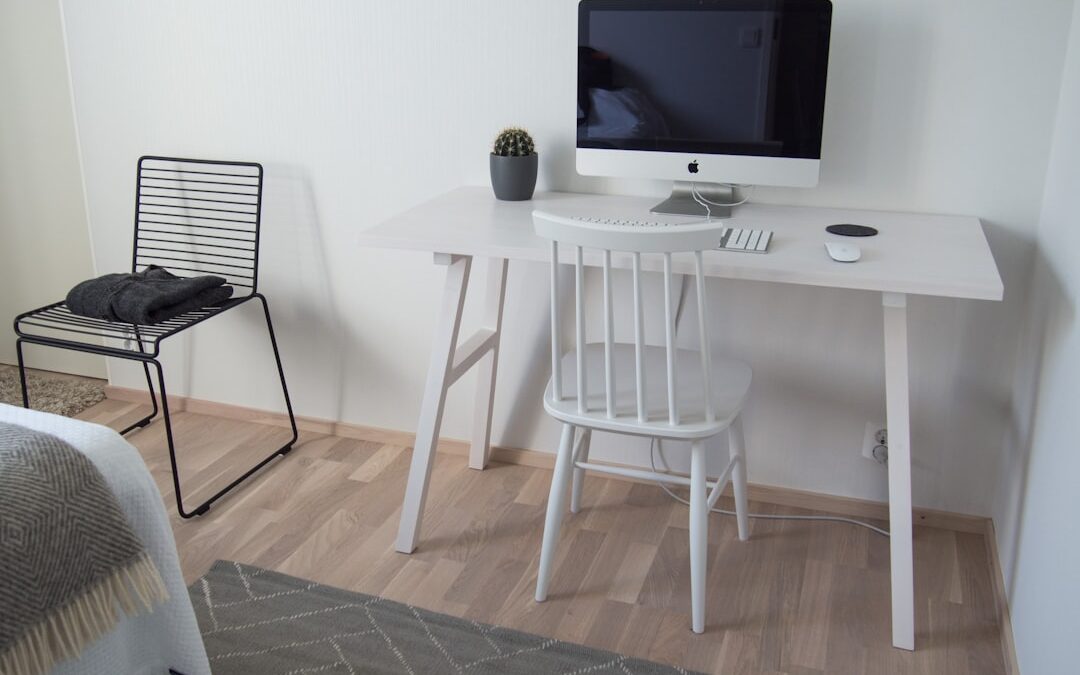
Furniture items that exemplify a particular historical era or style are referred to as period pieces. These items are highly prized for their artistry, historical significance, & design. Period furniture is essential to achieving a unified and genuine aesthetic in a room when it comes to interior design. Anybody interested in interior design or antique collecting should have a basic understanding of period furniture. With thousands of years of history, period furniture has been influenced by many eras in both design and manufacture.
Key Takeaways
- Understanding the basics of period furniture is important for identifying and appreciating different styles and eras.
- Period furniture has evolved over time, from ancient civilizations to modern times, with each era having its own unique characteristics and features.
- Identifying period furniture involves looking for specific design elements, materials, and construction techniques that are indicative of a particular era.
- Choosing the right wood for period furniture is crucial for achieving authenticity and longevity, with different woods being preferred for different eras and styles.
- Tools and techniques for period furniture making require a combination of traditional skills and modern technology, with joinery being a key aspect of construction.
From antiquity to the present, social, cultural, and economic variables have shaped the evolution and changes in furniture styles. One can develop a greater understanding of the skill and artistry required to create these pieces by researching the evolution of period furniture. Period furniture has roots in the past & can be found in the cultures of Egypt, Greece, and Rome. Simple, functional furniture with straightforward designs and little embellishment was common in these early eras. Furniture styles evolved into more complex and sophisticated designs as societies advanced & developed.
Furniture design achieved unprecedented levels of elegance & craftsmanship during the Renaissance. Renaissance furniture featured elaborate carvings, lavish materials, and richly decorated surfaces, all of which were influenced by the art and architecture of the era. During this time, furniture styles began to become more elaborate and decorative. The Renaissance’s elaborate and ornate designs were carried over into the Baroque and Rococo eras, with an emphasis on curved lines, asymmetry, and fine detailing.
During this time, gilded accents, intricate carvings, & opulent upholstery were common features of furniture. Neoclassicism, a style that was influenced by classical Greek & Roman architecture, rose to prominence in the eighteenth century. The symmetry, proportion, and clean lines of this era’s furniture were their defining features. This was also the period for the widespread use of classical and naturalistic motifs.
| Chapter | Page Count | Difficulty Level | Techniques Covered |
|---|---|---|---|
| Introduction | 10 | Beginner | Wood Selection, Joinery Basics |
| Ch. 1: The Basics of Period Furniture | 20 | Intermediate | Design Principles, Historical Context |
| Ch. 2: Tools and Techniques | 30 | Advanced | Hand-Cut Dovetails, Inlay, Veneering |
| Ch. 3: Building a Chippendale Chair | 50 | Expert | Carving, Turning, Upholstery |
| Ch. 4: Constructing a Queen Anne Highboy | 70 | Expert | Bombe Shaping, Cabriole Legs, Finishing |
| Conclusion | 5 | Beginner | Resources for Further Learning |
The Industrial Revolution emerged in the 19th century, and its influence on furniture design was profound. Larger-scale furniture production was made possible by mass production techniques, which increased its affordability for the middle class. New furniture designs like Victorian, Arts and Crafts, and Art Nouveau also came into being during this time. Modern furniture design evolved throughout the 20th century to become more avant-garde and experimental. Grounded in geometric shapes, vivid colors, & opulent materials, the Art Deco movement swept through the 1920s and 1930s. The post-war era popularized mid-century modern design, which prioritized utility, simplicity, and the use of novel materials like plywood and plastic.
Finding period-appropriate furniture can be difficult, particularly for inexperienced antique collectors. Nonetheless, a number of traits & attributes can be used to estimate the age and style of a piece. When trying to identify period furniture, one of the first things to look for is the general style & design.
There are unique design elements and motifs associated with each period that can serve as a reference. For instance, Art Deco furniture is distinguished by geometric shapes and vivid colors, whereas Renaissance furniture frequently has elaborate carvings. The materials utilized in the furniture’s construction are a crucial additional consideration. Some wood species, like walnut, mahogany, or oak, were preferred in different eras. The kind of wood that was used can reveal important details about the creation and age of a piece.
Period furniture’s building methods, in addition to its style and materials, can reveal details about its age and authenticity. In the past, conventional joinery techniques like mortise and tenon joints and dovetail joints were frequently employed. An authentic period piece or a reproduction can be identified by looking at the joinery. Selecting the proper wood is crucial when creating period-appropriate furniture.
The overall durability, appearance, and feel of a piece can be significantly influenced by the type of wood used. Variations in wood qualities, including color, hardness, & grain pattern, can affect the outcome. Oak, mahogany, walnut, and cherry are some of the woods that are most frequently used to make period furniture.
Oak furniture is a popular option for furniture that must endure heavy use because of its strength and durability. Mahogany is a favorite among furniture makers because of its fine grain and rich, reddish-brown color. Cherry has a warm, reddish-brown hue that gets deeper with age, whereas walnut is prized for its dark, chocolate-brown color and exquisite grain patterns. It’s crucial to take into account aspects like the piece’s intended use, desired look, and wood availability when selecting wood for a particular furniture style. Certain wood types may be required for certain styles, but there may be more options when it comes to wood choice for others.
A number of fundamental tools & methods are needed to create furniture from that era. These are the tools and methods that furniture makers have used for generations, and they are necessary to get the desired results. A few basic tools needed to make period furniture are carving tools, hand saws, chisels, and planes. With the help of these instruments, wood can be precisely & precisely shaped, smoothed, and worked.
Apart from manual instruments, power tools like sanders and routers can also be employed to expedite the procedure & attain reliable outcomes. Making period furniture requires a number of skills, including shaping, cutting, and joining wood. In shaping, fine details and smooth surfaces are created with chisels and planes, whereas in cutting, the wood is shaped with saws to achieve the required dimensions. Wooden components are joined together using techniques like mortise and tenon joints and dovetail joints.
Making period furniture requires a great deal of accuracy & attention to detail. For the intended outcome to be achieved, every cut, joint, & detail must be executed with precision. A thorough understanding of the materials and techniques involved, along with patience and skill, are necessary for this.
When creating period furniture, joinery is crucial. Because of their strength, toughness, & visual appeal, traditional joinery techniques have been used for centuries. Modern substitutes for conventional joinery have, nevertheless, also surfaced, providing furniture makers with additional options and possibilities. Dovetail joints, mortise & tenon joints, and tongue and groove joints are examples of traditional joinery techniques that have withstood the test of time and are still frequently utilized today. These techniques entail making interlocking joints, which give the furniture piece stability & strength.
Also, they enhance the design with a decorative element that highlights the furniture maker’s skill and craftsmanship. Contemporary joinery options have become more & more popular in recent years. These substitutes, which include biscuit joinery and pocket hole joinery, provide quicker and simpler methods of joining wood pieces. For some furniture styles or projects, they can be a sensible option even though they might not be as strong & long-lasting as traditional joinery methods.
It’s critical to take into account various aspects when selecting the joinery method for a given furniture style, including the intended use of the piece, the desired look, and the skill level of the furniture maker. Though they might take longer and demand more expertise, traditional joinery techniques can increase the authenticity and value of a piece of antique furniture. In the creation of period furniture, finishing is an essential step. It gives the piece a more polished look while also preserving and lengthening the life of the wood. Achieving authenticity and durable results requires selecting the appropriate finish for a given furniture style.
To achieve different effects, different finishing techniques can be applied. Among the most used methods are painting, staining, varnishing, & waxing. Every technique has benefits and drawbacks of its own, & it can be applied to produce various finishes and looks. It’s crucial to take into account various aspects when selecting a finish for antique furniture, including the intended color, the required degree of protection, and the finish’s authenticity. A hand-rubbed oil finish, for example, can be required for some furniture styles in order to achieve a more genuine and natural look.
Others might give you more leeway in choosing a finish, based on your tastes and the piece’s intended purpose. Thorough planning and close attention to detail are necessary to achieve a genuine & durable finish. Before applying the finish, the wood needs to be properly prepared, sealed, and sanded. To get the right color and degree of protection, several coats might be required. It’s also crucial to wait for each coat to fully cure and dry before applying the next.
It takes skill to balance form and function in period furniture design. In addition to being aesthetically pleasing & beautiful, furniture needs to be useful and practical for daily use. It’s crucial to comprehend the fundamental design components of various furniture styles in order to make pieces that are both aesthetically pleasing and useful. There are distinctive design elements & qualities specific to each furniture style.
Art Deco furniture, on the other hand, is distinguished by its geometric shapes and striking colors, whereas Renaissance furniture frequently has elaborate carvings. To achieve the desired look and feel, it is essential to comprehend these design elements and how to incorporate them into a piece. Furniture design needs to consider functionality in addition to aesthetics. Ergonomics, comfort, and usability are a few crucial points to think about. The furniture needs to be easy to use, durable, & comfortable for sitting or lying down.
It’s critical to balance form and function when creating period-appropriate furniture. The furniture needs to be both practical & functional in addition to being aesthetically pleasing and visually appealing. This necessitates giving considerable thought to the piece’s intended use, the available space, & the user’s requirements and preferences. Antique furniture restoration is a delicate process that calls for in-depth knowledge of the materials, methods, & background of the item. To regain its original beauty and functionality, antique furniture frequently needs to be repaired & refinished. But restoration must be done carefully and with consideration for the piece’s authenticity.
Examining the piece to find any problems or damage is one of the first steps in restoring antique furniture. Loose joints, cracked or broken wood, missing or damaged veneer, and worn or damaged finishes are common problems with antique furniture. For repair and restoration, each problem calls for a unique strategy and method. Fixing loose joints, replacing or patching damaged wood, and replacing missing or damaged veneer are common techniques used in the restoration of antique furniture.
To guarantee a smooth & undetectable repair, these methods call for expertise, endurance, and close attention to detail. When refinishing antique furniture, the wood must be sanded, the old finish removed, and a new finish applied. It’s critical to select a finish that complements the piece’s style and historical context.
It is important to protect the piece’s authenticity and refrain from overrestoring it, as this could reduce its worth and historical significance. When it comes to antique furniture, authenticity preservation is crucial. Respecting the piece’s original workmanship and design is crucial, as is avoiding making any permanent alterations. It is usually best to seek advice from a qualified conservator or restorer who has dealt with antique furniture before making any decisions. Developing an antique furniture collection can be a gratifying & satisfying endeavor.
There are some pointers and strategies that can assist you in creating a collection that is significant and valuable, regardless of experience level. Establishing a budget is among the first steps towards creating a collection of period furniture. Depending on elements like age, provenance, rarity, and condition, period furniture can cost anything from a modest investment to a staggering sum of money. You can focus on items that are within your price range and reduce your options by setting a budget.
When it comes to collecting antique furniture, research and education are essential. It’s critical to understand the various furniture styles, their traits, and their historical relevance. This will enable you to make wise choices and steer clear of buying items that aren’t genuine or priceless.
Purchasing from reliable sources is crucial when collecting period furniture. Antique dealers, auction houses, and trustworthy online marketplaces are examples of this. Purchasing from reliable vendors guarantees that the items you purchase are real and as described.
Place more emphasis on quality than quantity when assembling a collection of antique furniture. A small, genuine collection of excellent pieces is preferable to a large one that is made up of inferior or replica pieces. Excellent items are a wise investment since they will hold their value and increase in value over time. In summary, antique collecting and interior design greatly benefit from the use of period furniture. Anyone with an interest in this field must comprehend the fundamentals of period furniture, as well as its development, traits, & features.
Period furniture provides an intriguing and rich world to explore for anyone involved in the furniture industry, be it interior designer, collector, or maker.
If you’re passionate about period furniture and fine woodworking, you’ll definitely want to check out this informative article on Clever Wood Projects’ website. They have a wide range of interesting content related to woodworking, including an article on the miter saw and its input to your carpentry projects. This article explores the importance of the miter saw in creating precise cuts and angles, making it an essential tool for any woodworker. To further enhance your woodworking skills, Clever Wood Projects also offers easy DIY lamp ideas for your home. With step-by-step instructions and creative inspiration, you can add a touch of handmade elegance to your living space. Don’t miss out on these valuable resources – visit Clever Wood Projects’ website today! (source)
FAQs
What is period furniture?
Period furniture refers to furniture pieces that were made during a specific time period, usually in the past. These pieces are often characterized by their unique design, materials, and construction techniques.
What are some examples of period furniture?
Examples of period furniture include pieces from the Renaissance, Baroque, Rococo, and Federal periods. These pieces can include chairs, tables, cabinets, and other types of furniture.
What materials are commonly used in period furniture?
Period furniture can be made from a variety of materials, including wood, metal, and upholstery fabrics. The type of material used often depends on the time period in which the piece was made.
What are some common design features of period furniture?
Common design features of period furniture include intricate carvings, ornate details, and decorative motifs. These pieces often feature curved lines and symmetrical shapes, and may be embellished with gold leaf or other decorative elements.
What is fine woodworking?
Fine woodworking is a type of woodworking that involves creating high-quality, finely crafted furniture and other wooden objects. This type of woodworking requires a high level of skill and attention to detail, and often involves using traditional hand tools and techniques.
What skills are required for fine woodworking?
Fine woodworking requires a range of skills, including the ability to read and interpret plans and blueprints, knowledge of woodworking techniques and materials, and proficiency with hand and power tools. Attention to detail, patience, and a steady hand are also important skills for fine woodworking.