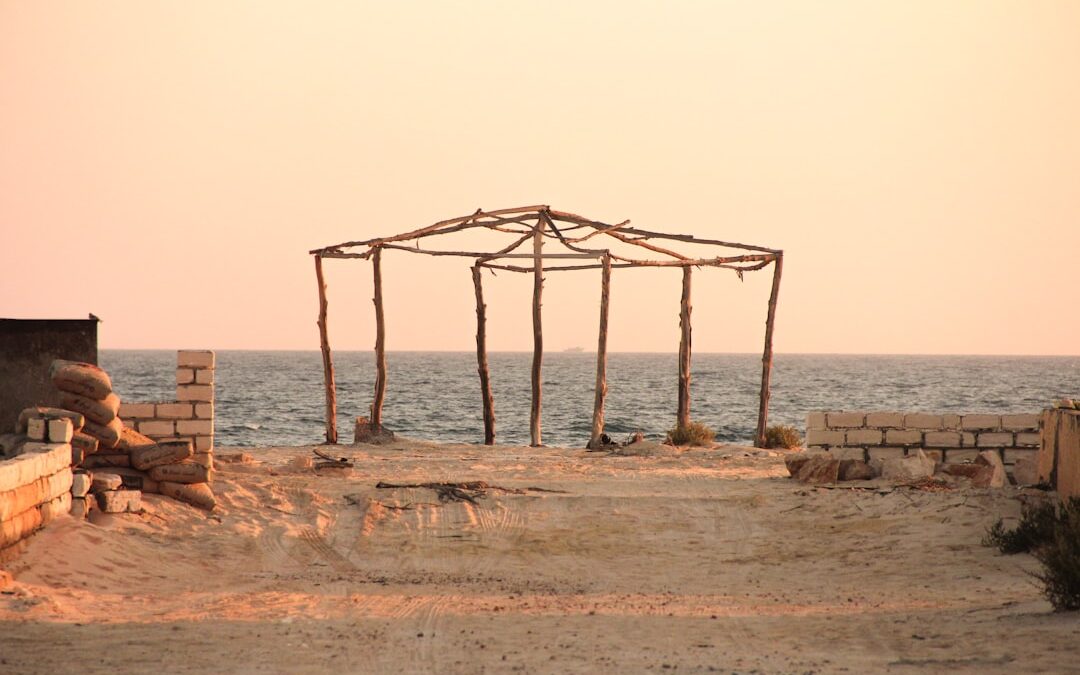
A wood pergola is a structure that consists of vertical posts and horizontal beams, often with an open roof. It is typically built in outdoor spaces such as gardens, patios, or decks to provide shade and create a visually appealing focal point. Wood pergolas have become increasingly popular in recent years due to their versatility and ability to enhance the aesthetics of any home.
One of the main benefits of having a wood pergola in your outdoor space is the shade it provides. The open roof design allows for filtered sunlight to pass through, creating a comfortable and cool area to relax or entertain. Additionally, the vertical posts and horizontal beams can be used to hang curtains, plants, or lights, further enhancing the ambiance of the space.
In terms of aesthetics, a wood pergola can greatly enhance the overall look of your home. It adds a touch of elegance and sophistication to any outdoor area, making it more inviting and visually appealing. Whether you have a modern or traditional home, there are various design options available that can complement your home’s architecture and style.
Key Takeaways
- A wood pergola is a beautiful and functional addition to any outdoor space.
- Planning and preparation are key to building a sturdy and long-lasting pergola.
- Proper foundation and framing are essential for a strong and stable structure.
- Choosing the right roofing material and adding decorative elements can enhance the appearance of your pergola.
- Regular maintenance and care, including staining and sealing, will help protect your wood pergola from the elements and keep it looking great for years to come.
Planning Your Pergola: Materials, Tools, and Design Considerations
When planning to build a wood pergola, there are several factors to consider. The first is choosing the right wood for your pergola. Cedar and redwood are popular choices due to their natural resistance to rot and decay. These woods also have a beautiful grain pattern that adds visual interest to the structure. Other options include pressure-treated lumber or composite materials for added durability.
In terms of tools, you will need a circular saw or miter saw for cutting the wood to size, a drill for making holes and attaching screws, and a level for ensuring everything is straight and level during construction. Additional tools may include a tape measure, hammer, chisel, and a ladder or scaffolding for reaching higher areas.
Design considerations are also important to ensure your pergola complements your home’s architecture. Take into account the size and shape of your outdoor space, as well as any existing structures or landscaping features. Consider the overall style of your home and choose a pergola design that matches or complements it. For example, if you have a modern home, a sleek and minimalist pergola design may be more appropriate, while a traditional home may call for a more ornate and detailed design.
Preparing the Site: Clearing, Leveling, and Marking Out Your Pergola
Before you can start building your wood pergola, you will need to prepare the site. This involves clearing the area where your pergola will be built, removing any vegetation or debris that may be in the way. It is important to have a clear and level area to ensure a stable foundation for your pergola.
Once the area is cleared, you will need to level the ground. This can be done by removing any high spots and filling in any low spots with soil or gravel. Use a level to ensure that the ground is even and flat, as this will provide a solid base for your pergola.
After leveling the ground, it is time to mark out the area where your pergola will be built. Use stakes and string to outline the dimensions of your pergola, ensuring that it is centered and aligned with any existing structures or features in your outdoor space. This will serve as a guide during construction and help you visualize how the finished pergola will look in your space.
Building the Foundation: Digging Holes, Setting Posts, and Pouring Concrete
The foundation of your wood pergola is crucial for its stability and longevity. It involves digging holes for the posts, setting the posts in place, and pouring concrete to secure them.
Start by digging holes for the posts at each corner of your marked-out area. The depth of the holes will depend on the height of your pergola and the type of soil in your area. As a general rule, the holes should be at least one-third the height of the posts.
Once the holes are dug, set the posts in place and use a level to ensure they are plumb and straight. Temporary braces can be used to hold the posts in position while you pour the concrete.
Next, mix the concrete according to the manufacturer’s instructions and pour it into the holes around the posts. Use a shovel or trowel to compact the concrete and remove any air pockets. Allow the concrete to cure for at least 24 hours before proceeding with the construction of your pergola.
Framing the Structure: Cutting and Assembling the Beams, Rafters, and Braces
The framing of your wood pergola consists of cutting and assembling the beams, rafters, and braces that will support the roof and provide structural stability.
Start by cutting the beams to size. These are the horizontal pieces that will span between the posts and support the rafters. Measure and mark each beam according to your design specifications, then use a circular saw or miter saw to make clean and precise cuts.
Next, cut the rafters. These are the diagonal pieces that will connect the beams and provide support for the roof. Measure and mark each rafter according to your design specifications, then use a circular saw or miter saw to make clean and precise cuts.
Once all the beams and rafters are cut, it is time to assemble the frame of your pergola. Start by attaching the beams to the posts using screws or brackets. Use a level to ensure that everything is straight and level during assembly.
After attaching the beams, attach the rafters to the beams using screws or brackets. The spacing between each rafter will depend on your design preferences, but a common spacing is around 16 inches apart.
Finally, add braces to provide additional support and stability to the structure. These can be attached diagonally between the posts and beams, or vertically between the beams and rafters. Use screws or brackets to secure the braces in place.
Installing the Roof: Choosing the Right Roofing Material and Attaching It Securely

The roof of your wood pergola is an important element that provides shade and protection from the elements. There are various roofing materials to choose from, including fabric, polycarbonate panels, or even living plants.
When choosing the right roofing material for your pergola, consider factors such as durability, aesthetics, and maintenance. Fabric can provide a soft and romantic look, but may require regular cleaning and replacement over time. Polycarbonate panels are durable and provide protection from UV rays, but may not offer as much shade as fabric. Living plants such as vines or climbing roses can create a natural and lush roof, but require regular maintenance and care.
Once you have chosen the roofing material, it is time to attach it securely to the frame of your pergola. This can be done using screws or clips, depending on the type of material you are using. Follow the manufacturer’s instructions for proper installation to ensure that the roof is secure and will withstand wind and weather conditions.
It is also important to ensure proper drainage to prevent water damage. If using fabric or polycarbonate panels, make sure there are gaps or channels for water to flow through. If using living plants, consider installing a gutter system or using a waterproof membrane to protect the wood from moisture.
Adding Decorative Elements: Finishing Touches to Enhance Your Pergola’s Appearance
To enhance the appearance of your wood pergola, consider adding decorative elements such as curtains, plants, and furniture.
Curtains can provide privacy and create a cozy atmosphere. Choose lightweight and weather-resistant fabrics that can withstand outdoor conditions. Install curtain rods or hooks on the beams or rafters of your pergola, and hang the curtains to create a soft and inviting space.
Plants can add a touch of greenery and natural beauty to your pergola. Consider planting climbing vines or hanging baskets of flowers to create a lush and vibrant roof. Choose plants that are suitable for your climate and require minimal maintenance.
Furniture is another important element that can enhance the functionality and comfort of your pergola. Consider adding seating such as benches, chairs, or a dining table to create a space for relaxation or entertaining. Choose furniture that is weather-resistant and durable, and consider adding cushions or pillows for added comfort.
When choosing colors and textures for your pergola, consider the exterior of your home and any existing landscaping features. Choose colors that complement or contrast with the colors of your home, and consider using textures such as wood, metal, or fabric to add visual interest.
Staining and Sealing: Protecting Your Wood Pergola from the Elements
To protect your wood pergola from the elements and ensure its longevity, it is important to stain and seal the wood.
Staining the wood helps to protect it from UV rays and moisture. Choose a stain that is specifically formulated for outdoor use and provides UV protection. Apply the stain evenly using a brush or roller, following the manufacturer’s instructions for drying time and number of coats.
Sealing the wood helps to prevent rot and decay. Choose a sealant that is specifically formulated for outdoor use and provides protection against moisture. Apply the sealant evenly using a brush or roller, following the manufacturer’s instructions for drying time and number of coats.
Regular maintenance is also important to maintain the appearance of your pergola. This includes cleaning the wood regularly to prevent dirt and debris buildup, inspecting the pergola for any damage or wear, and making necessary repairs or touch-ups.
Wiring and Lighting: Adding Electrical Components to Your Pergola for Ambience and Convenience
Adding electrical components to your wood pergola can greatly enhance its ambience and convenience. This includes adding outlets for powering appliances or charging devices, as well as installing lighting for nighttime use.
When adding electrical components, it is important to ensure proper installation to prevent electrical hazards. Consult a licensed electrician to ensure that the wiring is done correctly and meets safety standards. Consider using weather-resistant outlets and switches, as well as outdoor-rated lighting fixtures.
When choosing lighting for your pergola, consider the desired ambience and functionality. Options include string lights, lanterns, spotlights, or even built-in LED strips. Choose lighting that is suitable for outdoor use and provides the desired level of brightness and warmth.
Maintenance and Care: Keeping Your Wood Pergola in Top Condition for Years to Come
To keep your wood pergola in top condition for years to come, regular maintenance and care are essential.
Start by regularly cleaning the pergola to prevent dirt and debris buildup. Use a broom or leaf blower to remove leaves, twigs, and other debris from the roof and beams. Use a mild detergent and water solution to clean the wood, scrubbing gently with a brush or sponge. Rinse thoroughly with water and allow the wood to dry completely before applying any stain or sealant.
Inspect the pergola regularly for any damage or wear. Check for loose screws or brackets, cracked beams or rafters, or signs of rot or decay. Make any necessary repairs or replacements promptly to prevent further damage.
Maintain the stain and sealant on your pergola by reapplying as needed. This will help to protect the wood from UV rays, moisture, and other outdoor elements. Follow the manufacturer’s instructions for proper application and drying time.
In conclusion, a wood pergola is a versatile and visually appealing addition to any outdoor space. It provides shade, enhances the aesthetics of your home, and creates a comfortable and inviting area for relaxation or entertaining. By carefully planning, preparing the site, building the foundation and frame, installing the roof, adding decorative elements, staining and sealing, wiring and lighting, and regular maintenance and care, you can ensure that your wood pergola remains in top condition for years to come.
If you’re interested in constructing a sturdy and stylish wood pergola, you might also find this article on easy woodworking projects helpful. It explores what makes certain woodworking projects easier to tackle, providing valuable tips and insights. Check it out here. Additionally, if you’re looking to furnish your office with new furniture for the new year, this article offers useful tips for purchasing office furniture. Find it here. Lastly, if you’re interested in the technical aspects of woodworking as an art form, this article on wood working’s technical art is a must-read. Discover more about it here.
FAQs
What is a wood pergola?
A wood pergola is a garden feature that consists of vertical posts or pillars that support a roof made of wooden beams and rafters. It is designed to provide shade and shelter while adding aesthetic appeal to outdoor spaces.
What are the benefits of building a wood pergola?
Building a wood pergola can enhance the beauty and functionality of your outdoor space. It provides shade and shelter from the sun and rain, creates a cozy and intimate atmosphere, and adds value to your property.
What materials are needed to build a wood pergola?
To build a wood pergola, you will need pressure-treated lumber, galvanized screws, post anchors, concrete mix, a circular saw, a drill, a level, a measuring tape, and a hammer.
What are the steps involved in building a wood pergola?
The steps involved in building a wood pergola include selecting a location, measuring and marking the area, digging post holes, setting the posts in concrete, attaching the beams and rafters, and adding finishing touches such as staining or painting.
How long does it take to build a wood pergola?
The time it takes to build a wood pergola depends on the size and complexity of the project, as well as the skill level of the builder. Generally, it can take anywhere from a few days to a few weeks to complete.
What maintenance is required for a wood pergola?
To maintain a wood pergola, it is important to regularly clean it with a mild detergent and water, inspect it for damage or wear, and apply a protective coating such as stain or paint every few years. It is also recommended to trim any nearby trees or plants that may cause damage to the structure.