
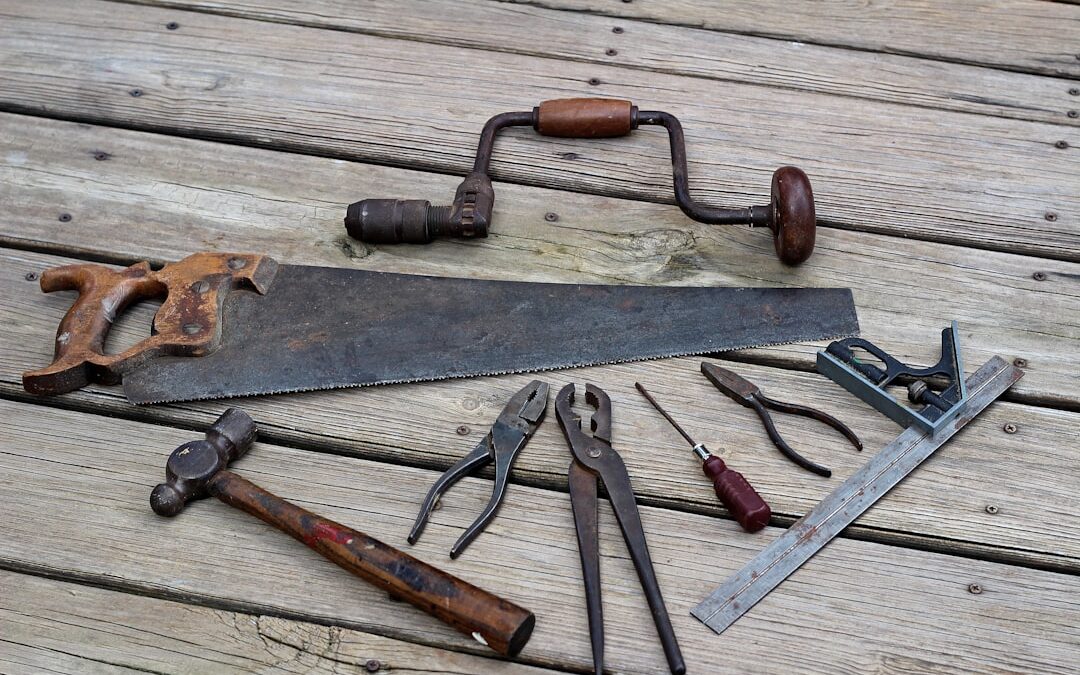
Woodworking is a popular hobby and craft that has been practiced for centuries. It involves the creation of objects from wood using various tools and techniques. Whether you are a beginner or an experienced woodworker, having the right tools is essential for a successful and enjoyable woodworking experience. In this blog post, we will explore the essential hand tools, power tools, measuring and marking tools, cutting tools, joinery tools, sanding and finishing tools, safety equipment, and tool maintenance and care that every woodworker should have. By understanding the importance of these tools and how to use them effectively, you can enhance your woodworking skills and create beautiful and functional pieces.
Key Takeaways
- Woodworking tools can be divided into hand tools, power tools, measuring and marking tools, cutting tools, joinery tools, sanding and finishing tools, safety equipment, and tool maintenance and care.
- Essential hand tools for woodworking include a saw, chisels, a plane, a hammer, and a square.
- Power tools for woodworking include a drill, a jigsaw, a circular saw, a router, and a sander.
- Measuring and marking tools such as a tape measure, a marking gauge, and a combination square are crucial for accuracy in woodworking.
- Cutting tools for woodworking include saws, chisels, and planes, and joinery tools such as a dovetail saw and a mortise chisel are essential for creating strong wood joints.
Essential Hand Tools for Woodworking
Hand tools are an integral part of woodworking and are used for a variety of tasks such as shaping, cutting, and joining wood. They are essential for beginners as they provide more control and precision compared to power tools. Some essential hand tools for beginners include a chisel set, a hand plane, a coping saw, a mallet, a marking gauge, and a set of screwdrivers.
To use hand tools effectively, it is important to learn proper techniques and practice patience. For example, when using a chisel, it is important to hold it at the correct angle and apply even pressure to avoid damaging the wood. Additionally, using a hand plane requires careful adjustment of the blade depth to achieve the desired thickness of the wood. By practicing these techniques and taking the time to learn how each tool works, you can improve your woodworking skills and create precise and professional-looking pieces.
Power Tools for Woodworking
Power tools are another essential component of woodworking that can help you save time and effort. They are powered by electricity or batteries and are designed to perform specific tasks such as cutting, drilling, sanding, and shaping wood. Some essential power tools for beginners include a circular saw, a drill, a jigsaw, a random orbital sander, and a router.
One of the benefits of power tools is their ability to perform tasks quickly and efficiently. For example, a circular saw can make straight and accurate cuts in a fraction of the time it would take with a hand saw. However, it is important to use power tools safely and effectively. Always wear appropriate safety gear such as goggles and ear protection, and read the manufacturer’s instructions before using any power tool. Additionally, make sure to use the correct blade or bit for the task at hand to achieve the best results.
Measuring and Marking Tools
Accurate measurements and markings are crucial in woodworking to ensure precise cuts and joints. Measuring and marking tools help woodworkers achieve this accuracy. Some essential measuring and marking tools for beginners include a tape measure, a combination square, a marking knife, a marking gauge, and a try square.
Using measuring and marking tools accurately requires attention to detail and precision. For example, when using a combination square to mark a line, make sure the square is flush against the edge of the wood and use a sharp pencil or marking knife for clear and accurate lines. Additionally, when using a tape measure, ensure that it is fully extended and held securely against the wood to avoid any discrepancies in measurements. By using these tools correctly, you can achieve precise measurements and markings for your woodworking projects.
Cutting Tools for Woodworking
Cutting tools are essential for shaping and cutting wood in woodworking projects. They come in various forms such as hand saws, power saws, and specialty cutting tools. Some essential cutting tools for beginners include a crosscut saw, a rip saw, a coping saw, a jigsaw, and a utility knife.
When using cutting tools, it is important to prioritize safety and accuracy. Always wear appropriate safety gear such as goggles and gloves to protect yourself from any potential injuries. Additionally, make sure to use the correct type of saw or cutting tool for the task at hand. For example, a crosscut saw is used for cutting across the grain of the wood, while a rip saw is used for cutting along the grain. By using cutting tools safely and effectively, you can achieve clean and precise cuts in your woodworking projects.
Joinery Tools
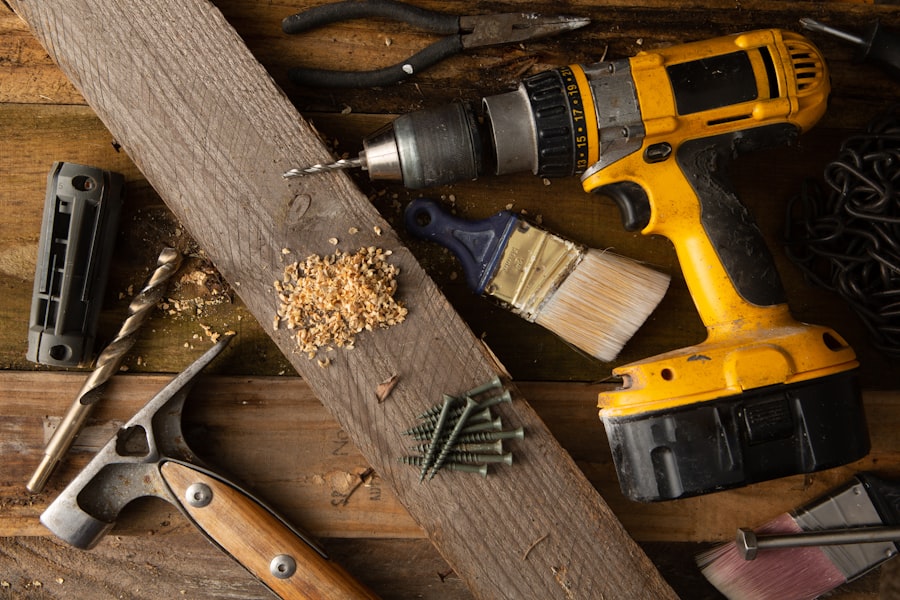
Joinery tools are used to create strong and secure wood joints in woodworking projects. They are essential for connecting pieces of wood together and ensuring the structural integrity of the final piece. Some essential joinery tools for beginners include a chisel set, a mallet, a dovetail saw, a coping saw, and a router.
Creating strong wood joints requires precision and patience. For example, when using a chisel to create a mortise and tenon joint, it is important to make accurate cuts and remove the waste material carefully. Additionally, when using a router to create a dado joint, it is important to secure the wood properly and make multiple passes to achieve the desired depth. By practicing these techniques and using joinery tools effectively, you can create durable and visually appealing wood joints in your projects.
Sanding and Finishing Tools
Sanding and finishing tools are used to achieve a smooth and polished finish on woodworking projects. They help remove imperfections, smooth rough surfaces, and prepare the wood for staining or painting. Some essential sanding and finishing tools for beginners include sandpaper, a random orbital sander, a block plane, a scraper, and brushes or rollers for applying finishes.
Achieving a smooth finish requires attention to detail and patience. When sanding wood, start with a coarse grit sandpaper and gradually work your way up to finer grits for a smooth finish. Additionally, when applying finishes such as stain or paint, make sure to follow the manufacturer’s instructions for proper application techniques. By using sanding and finishing tools effectively, you can enhance the appearance and durability of your woodworking projects.
Safety Equipment for Woodworking
Safety should always be a top priority in woodworking. Woodworking involves the use of sharp tools and power equipment, which can be dangerous if not used properly. Some essential safety equipment for beginners include safety goggles, ear protection, a dust mask, and gloves.
When using power tools, always wear safety goggles to protect your eyes from flying debris. Additionally, wear ear protection to prevent hearing damage from loud power tools. When sanding or cutting wood, wear a dust mask to protect yourself from inhaling fine particles. Finally, wear gloves to protect your hands from cuts and splinters. By using safety equipment effectively, you can minimize the risk of accidents and injuries in your woodworking projects.
Tool Maintenance and Care
Proper tool maintenance and care are essential for keeping your tools in top condition and ensuring their longevity. Regular maintenance can help prevent rust, keep blades sharp, and ensure smooth operation. Some tips for tool maintenance and care include cleaning tools after each use, oiling metal parts to prevent rust, sharpening blades regularly, and storing tools in a dry and organized manner.
Cleaning tools after each use helps remove any debris or sawdust that may have accumulated. Additionally, oiling metal parts such as blades or hinges helps prevent rust and ensures smooth operation. Regularly sharpening blades helps maintain their cutting efficiency and prolongs their lifespan. Finally, storing tools in a dry and organized manner helps prevent damage and makes them easily accessible for future use. By practicing proper tool maintenance and care, you can extend the lifespan of your tools and ensure they are always ready for use.
Choosing the Right Tools for Your Woodworking Projects
Choosing the right tools for your woodworking projects is crucial for achieving the desired results. Factors to consider when choosing tools include the type of project you are working on, your skill level, and your budget. For example, if you are a beginner working on small projects, you may not need a large and expensive table saw. Instead, a smaller and more affordable circular saw may be sufficient.
It is also important to consider the quality of the tools you are purchasing. While it may be tempting to opt for cheaper tools, investing in high-quality tools can save you time and frustration in the long run. High-quality tools are more durable, perform better, and provide more accurate results. Additionally, they often come with better warranties and customer support.
In conclusion, having the right tools is essential for a successful and enjoyable woodworking experience. Whether you are a beginner or an experienced woodworker, understanding the importance of hand tools, power tools, measuring and marking tools, cutting tools, joinery tools, sanding and finishing tools, safety equipment, and tool maintenance and care is crucial. By using these tools effectively and choosing the right ones for your projects, you can enhance your woodworking skills and create beautiful and functional pieces. So, start your woodworking journey with the right tools and enjoy the satisfaction of creating something with your own hands.
If you’re interested in starting woodworking but don’t know where to begin, look no further! Check out this informative article on Clever Wood Projects that provides a comprehensive guide on the basic tools needed for woodworking and their proper uses. Whether you’re planning to build a chair, create a DIY lamp, or construct a shed, this article will equip you with the knowledge you need to get started. Don’t miss out on this valuable resource – click here to learn more: https://cleverwoodprojects.org/wood-plans-for-a-chair/
FAQs
What are the basic tools needed for starting woodworking?
The basic tools needed for starting woodworking include a saw, a hammer, a drill, a measuring tape, a square, a chisel, a plane, and sandpaper.
What is the proper use of a saw in woodworking?
A saw is used to cut wood into different shapes and sizes. It is important to choose the right type of saw for the job and to use it with proper technique to ensure accurate cuts.
What is the proper use of a hammer in woodworking?
A hammer is used to drive nails into wood or to remove them. It is important to choose the right size and weight of hammer for the job and to use it with proper technique to avoid damaging the wood.
What is the proper use of a drill in woodworking?
A drill is used to make holes in wood for screws, nails, or other fasteners. It is important to choose the right type of drill bit for the job and to use the drill with proper technique to avoid splintering or damaging the wood.
What is the proper use of a measuring tape in woodworking?
A measuring tape is used to measure the length, width, and thickness of wood pieces. It is important to use the measuring tape with proper technique to ensure accurate measurements and to avoid mistakes.
What is the proper use of a square in woodworking?
A square is used to mark and measure angles and corners in wood pieces. It is important to use the square with proper technique to ensure accurate measurements and to avoid mistakes.
What is the proper use of a chisel in woodworking?
A chisel is used to carve and shape wood pieces. It is important to choose the right size and shape of chisel for the job and to use it with proper technique to avoid damaging the wood.
What is the proper use of a plane in woodworking?
A plane is used to smooth and level wood surfaces. It is important to choose the right type of plane for the job and to use it with proper technique to avoid damaging the wood.
What is the proper use of sandpaper in woodworking?
Sandpaper is used to smooth and finish wood surfaces. It is important to choose the right grit of sandpaper for the job and to use it with proper technique to avoid damaging the wood.


