We’re about to delve into the quintessential craftsmanship cornerstone—Mortise and Tenon Joints. As a seasoned woodworker, I’ve spent countless hours perfecting this age-old technique, and today, I’m going to share with you a comprehensive guide that will elevate your woodworking craft to new heights.
Discover the Strength and Beauty of Mortise and Tenon Joinery
Whether you’re crafting a timber-framed building or a delicate piece of furniture, the mortise and tenon joint stands unrivaled in its combination of strength, simplicity, and aesthetic harmony. Let’s dissect this joint and explore why it’s revered by woodworkers across the globe.
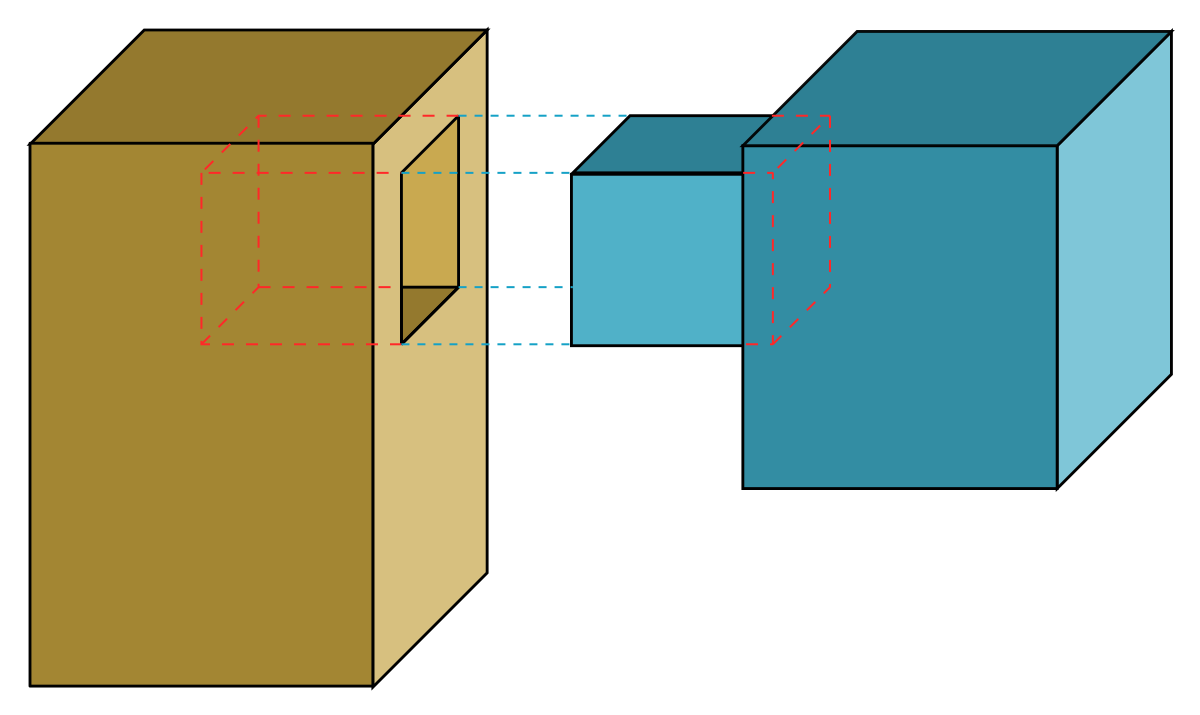
Anatomy of Excellence: Mortise and Tenon Components
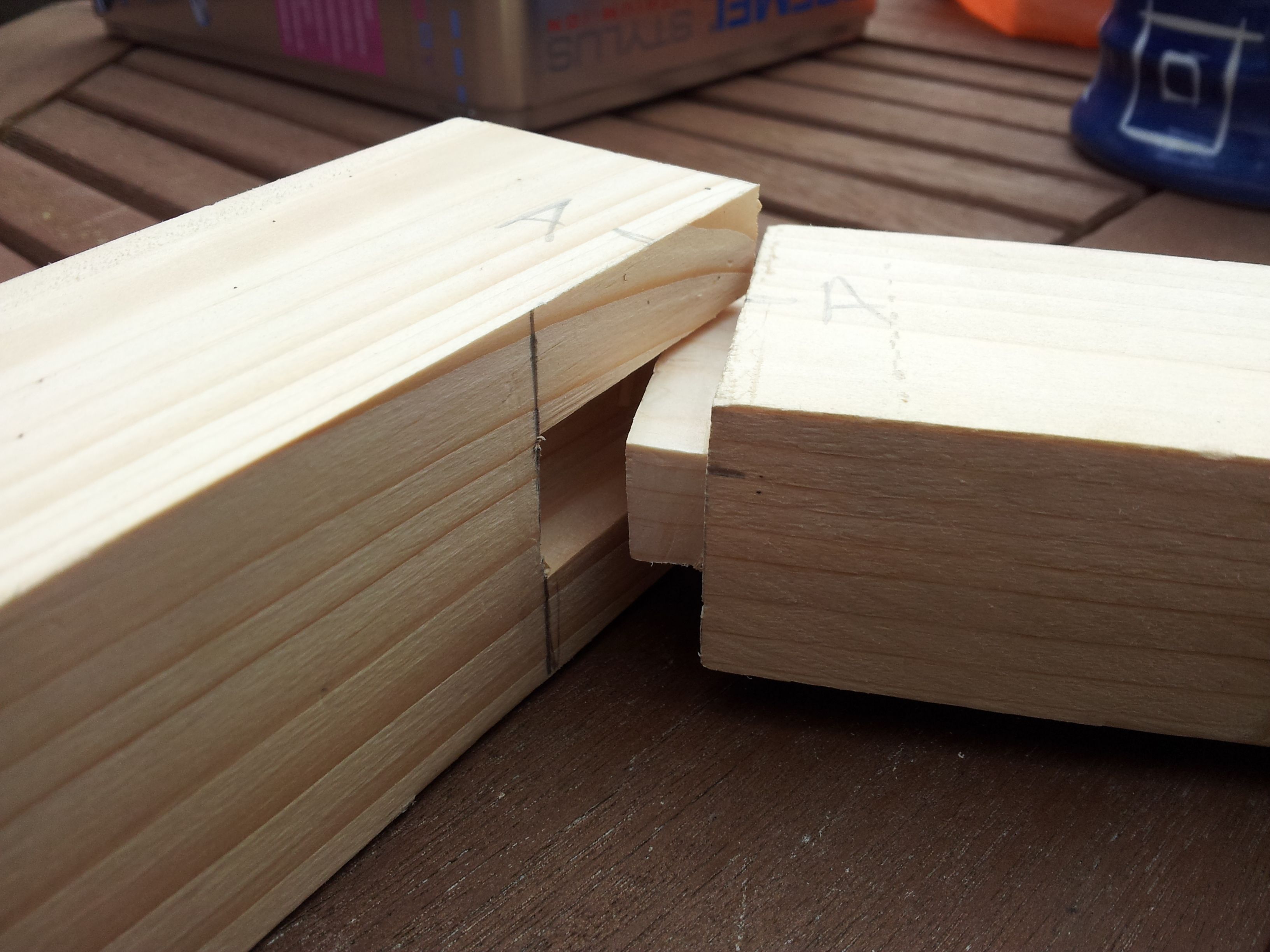
- The Mortise: a cavity or hole cut into a piece of wood, waiting to embrace its counterpart.
- The Tenon: a projection formed on the end of a timber, sculpted to precisely fit into the mortise.
- The Shoulder: an essential element of the tenon, creating a flush surface that provides additional strength.
- The Cheek: the face of the tenon, which sits snugly against the mortise walls.
Now, having these elements harmoniously align demands both finesse and understanding of the wood you’re working with. Remember, the key lies in the details—be it the mortise depth or the tenon length.
Types of Mortise and Tenon Joints
Each project calls for a different approach, and the beauty of this joint is its versatility. Here are some variations you might consider:
- Blind Mortise and Tenon: Hidden charm, the joint’s end doesn’t show through the workpiece.
- Through Tenon: Displaying its full tenon length, often embellished with a dowel or a wedge for extra flair.
- Loose Tenon: An independent piece that slots into both the mortise hole of adjoining pieces.
- Stub Tenon: A shorter tenon, ideal when a shallow mortise is necessary.
Crafting the Perfect Joint: A Step-by-Step Tutorial
Creating the ideal mortise and tenon joint is akin to a ceremonial dance of precision and skill. Let’s look at an approach that combines traditional hand tools and modern finesse.
- Marking Your Territory: Establish your baseline with a mortise chisel and a marking gauge. Precision is non-negotiable, so take your time to ensure every shoulder line is absolutely crisp.
- Chiseling the Mortise: A steady hand and a sharp chisel are your best friends here. Consider a mortise chisel or a hollow chisel mortiser for more power.
- Sawing the Tenon: Whether using a table saw or a handsaw, ensure your cuts are clean for that fine woodworkingfinish.
- Refining the Fit: The tenon test stick method, favored by masters like David Charlesworth, can help you achieve a snug fit without any guesswork.
Benefits of Using Mortise and Tenon Joints
- Historical Provenance: From ancient furniture to timber framing joints, this is a joint with a pedigree.
- Unparalleled Strength: When glue is added, the enlarged gluing surface creates an incredibly durable bond.
- Aesthetic Appeal: It’s a joint that can be celebrated as part of the design, not just a means of construction.
Avoiding Common Pitfalls in Mortise and Tenon Joinery
Even the most skilled carpenters can make mistakes. But fear not, for I’ll guide you through avoiding common errors such as:
- Inaccurate Measurements: Always remember the age-old adage—Measure twice, cut once.
- Over-Reliance on Glue: Avoiding glue spillover requires just the right amount to secure the tenon without creating a mess.
- Inadequate Shoulder Cuts: The tenon shoulder must be perfectly square for the joint to achieve its full strength.¨
A Legacy of Strength: The Historical Significance of Mortise and Tenon Joints
Did you know that mortise and tenon joinery is one of the oldest woodworking methods in existence? Its usage dates back to ancient civilizations, where it was utilized in both ancient joint construction and furniture. This time-tested method has a fascinating history linked to its strength and durability.
Applications and Considerations for Your Wood Projects
Whether you’re looking for applications in door joinery, furniture construction, or even architectural woodwork, mortise and tenon joints are remarkably adaptable. But before you set out, let’s consider:
- Wood Selection: The right timber can make or break your joint.
- Tool Choice: A good mortise chisel is indispensable, as are your saws and measuring tools.
The Digital Era: Modern Mortise and Tenon Developments
Modern advancements such as the tenon jig for your table saw or the wood whisperer videos that offer a quick lookinto techniques have ushered this ancient joint into the present. And for those using machinery, the CNC router shop era has opened up an entirely new world of precision.
Enhancing Your Woodworking Arsenal: Mortise and Tenon Tools and Tips
The art of tenon joinery calls for an arsenal of tools. A fine set of mortise chisels, a dependable chisel, and a sturdy tenon jig are just a few essentials. But what differentiates a good woodworker from a great one is the knowledge of how to use these tools effectively, and that’s where I come in.
To ensure you’re on the right path, check out my post on Easy Things to Make Out of Wood for tips on starting with simpler projects that involve mortise and tenon joints.
Further Learning
My dear woodworking friends, the journey towards mortise and tenon mastery is a fulfilling one. Remember, practice makes perfect. If you’re just beginning, don’t hesitate to tackle simple projects and gradually move on to more intricate works. And for those confirmed woodworking guys, keep challenging yourself with complex constructions and fine furniture that showcase the potential of these powerful joints.
For more in-depth knowledge, advanced techniques, and woodworking project ideas, visit the Clever Wood Projects blog at Fine Woodworking for Aspiring Craftsmen, where you can delve into a treasure trove of woodworking wisdom.
In conclusion, whether it’s a door with a stately presence or a jewelry box that demands delicate joinery, the mortise and tenon joinery will stand the test of time, both in durability and elegance. So, pick up your tools and let’s make those wood chips fly! Your journey to creating timeless pieces with the hands of a skilled artisan starts now.
Refining Mortise and Tenon Techniques With Expert Guidance
Refinement is key in woodworking, and as we venture further, I understand that precise guidance is invaluable. As such, we’ll draw inspiration from woodworking luminaries such as David Charlesworth and companies like Lie Nielsen Toolworks Productions, both known for their high-quality hand tools and educational resources.
Invisible Complexity: The Elegance of a Blind Mortise
Often, the most sophisticated aspects of a piece are those unseen — the blind mortise being a prime example. It’s a joint that terminates within the wood, never breaking through the opposite side, thus maintaining the uninterrupted flow of the wood grain. For furniture pieces that command attention, this subtle detail enhances the overall craftsmanship.
Hollow Chisel Mortiser: Modern Marvels Meeting Traditional Techniques
While hand tools like mortise chisels are indispensable, the hollow chisel mortiser is a modern marvel that brings efficiency to your shop. It’s a quintessential example of how traditional techniques can benefit from modern innovation, allowing for precise and repeatable mortises without sacrificing the human touch that characterizes fine woodworking.
Celebrating the Subtleties: Tenon Tongue and Shoulder Line
Diving into specifics, the tenon tongue and shoulder line are aspects that may seem minor but are crucial to both the integrity and aesthetics of your joint. A well-crafted tenon tongue fits snugly into its mortise hole, while the shoulder line must be clean and square for structural integrity and visual appeal.

Advanced Mortise and Tenon Variations: Combining Strength with Aesthetics
The basic mortise and tenon joint has given rise to a host of variations, each with its specific applications and advantages. Join me as we explore these advanced techniques:
- The Loose Tenon: A versatile variation, the loose tenon involves a separate piece of wood that’s inserted into matching mortises on both joining pieces.
- The Tenon Test Stick: A brilliant approach to ensure your tenon fits perfectly every time is using a tenon test stick. This method allows you to create a sample tenon for testing within your mortise hole, refining the fit before committing to the final piece.
- Dowel-Reinforced Tenon: For an extra degree of strength, inserting a dowel through the tenon not only fortifies the joint but also adds a decorative element when contrasting wood species are used.
Choosing the Right Mortise Depth: Balancing Strength and Aesthetics
Determining the proper mortise depth is critical. Too shallow, and you’ll compromise strength; too deep, and you risk splitting your wood. The rule of thumb is to aim for a depth that’s three times the width of the tenon, yet this can vary depending on the specific demands of your project.
The Mortise Piece: A Canvas for Creativity
The mortise piece is not merely a recipient of the tenon but part of a harmonious couple that forms the complete joint. As a woodworker, you have the opportunity to turn this union into a showcase of creativity, blending strength with artistic expression.
Beyond the Basics: Advanced Joinery for the Ambitious Woodworker
Once you’ve mastered the mortise and tenon, you might find yourself curious about other joinery methods. Techniques such as the dovetail joint and finger joint not only broaden your woodworking repertoire but can be combined with mortise and tenon joints to address specific design challenges and increase the gluing surface area for added strength.
Crafting a Legacy: The Role of Carpentry in Joinery Artistry
Carpentry is not just about putting pieces together; it’s about creating a legacy with every joint and every piece you work on. The mortise and tenon joint is one of the foundational skills that will set you apart as a true craftsman who respects both the material and the history behind it.
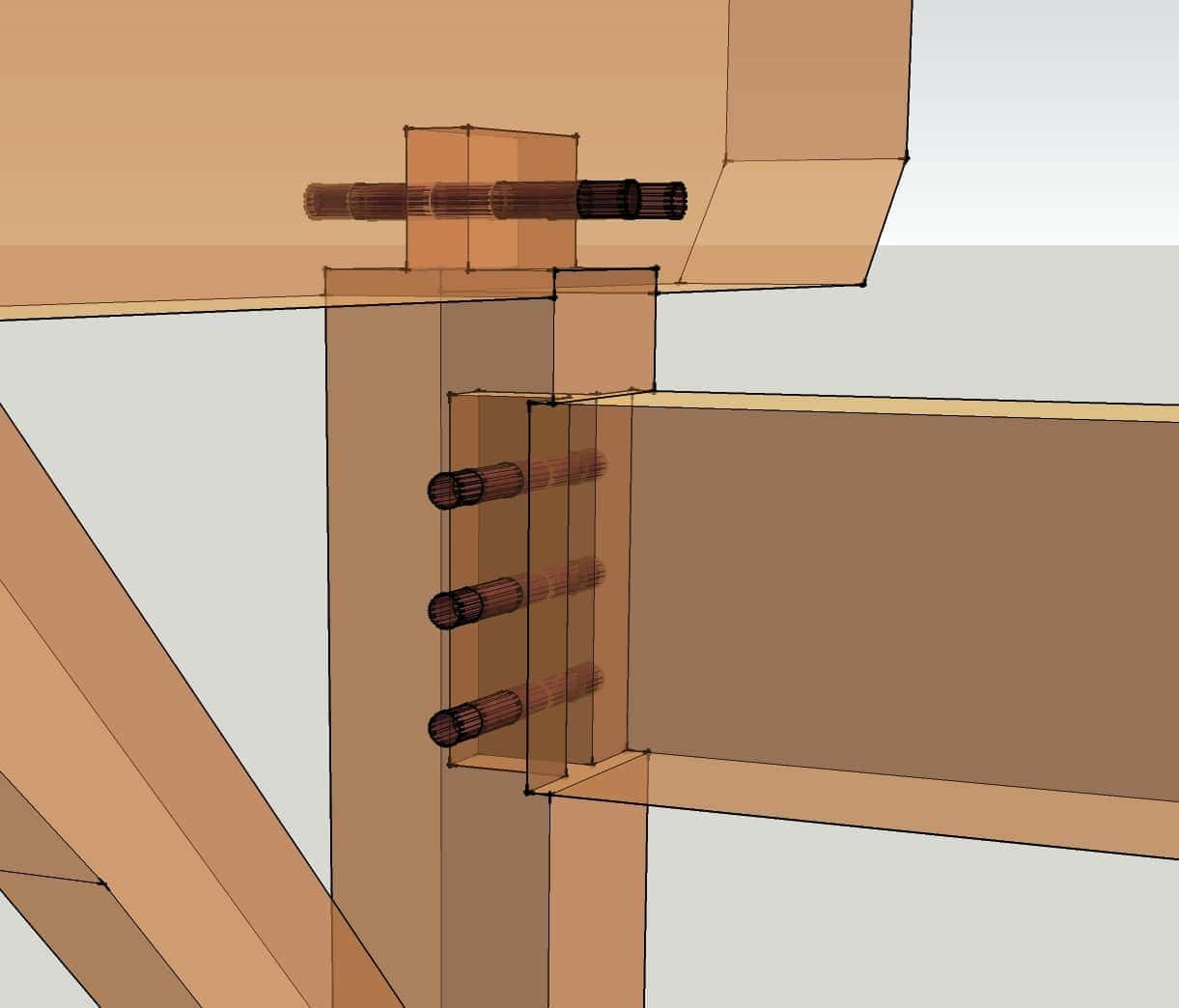
Frequently Asked Questions on Mortise and Tenon Joints
Q: What are the ideal proportions for a tenon joint?
A: Ideal tenon proportions are generally one-third the thickness of the piece from which the tenon is cut. However, this can vary based on the specifics of the project and the load it will bear.
Q: Are mortise chisels different from regular chisels?
A: Yes, mortise chisels have a thicker, stronger blade that withstands the mallet’s pounding and helps clear out the waste in a mortise hole efficiently.
Q: Can a blind mortise be created with power tools?
A: Absolutely. A hollow chisel mortiser or a careful setup on a drill press can be used to create blind mortises, though some cleanup with hand tools may be required for a perfect fit.
Q: What is the wood whisperer’s take on avoiding glue squeeze-out?
A: The Wood Whisperer recommends applying glue judiciously on the tenon and inside the mortise walls while avoiding the mortise edge to prevent squeeze-out when clamping.
Q: How deep should a shallow mortise be?
A: A shallow mortise typically should not exceed 1/4 of the thickness of the mortise piece to maintain structural integrity, but this can depend on the project’s design and requirements.