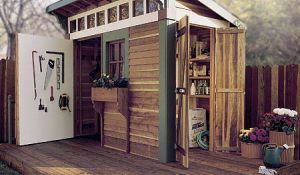
The craft of woodworking calls for accuracy, dexterity, and inventiveness. Whether you work as a professional or recreational woodworker, maintaining an orderly wood shop is crucial to increasing output and guaranteeing security. This post will discuss the value of small wood shop organization and offer strategies for setting up a productive, tidy workspace. Both productivity and safety may suffer in a disorganized wood shop. Spending time looking for what you need wastes money when tools and supplies are dispersed and hard to locate. A reduction in productivity and frustration may result from this.
Key Takeaways
- Efficient small wood shop organization can save time, increase productivity, and improve safety.
- Organizing your small wood shop can help you maximize your space and make the most of your tools and equipment.
- Assessing your small wood shop space is crucial to creating an effective organization system.
- Essential tools and equipment for small wood shop organization include storage solutions, workbenches, and dust collection systems.
- Maximizing storage space in your small wood shop can help you keep your tools and materials organized and easily accessible.
A messy workstation also raises the possibility of mishaps and injuries. Sharp objects are easily trip hazards and dangerous to handle carelessly. However, a well-organized wood shop can significantly increase output and security. It’s much easier to locate what you need & get to work when everything is in its proper place and easily accessible.
You may focus on the task at hand and save time by doing this. Also, by making sure that tools and equipment are stored safely and creating clear pathways, an organized wood shop lowers the possibility of accidents. It’s critical to evaluate the available space and take the layout into account before you start organizing your small wood shop. Measure your wood shop’s dimensions first, and make a note of any obstructions like windows, doors, or support beams.
This will assist you in figuring out how much room you have for your tools & equipment as well as where to put them. Your wood shop’s accessibility and workflow should be your next priority. Consider your usual workflow and your movement patterns in the room. To reduce squandered time and effort, a clear & effective workflow is essential.
| Tip | Description |
|---|---|
| Use Vertical Space | Install shelves and cabinets to store tools and materials off the ground. |
| Label Everything | Use clear labels to identify tools, materials, and storage containers. |
| Create Zones | Organize your shop into zones for cutting, sanding, assembly, and finishing. |
| Keep a Clean Workspace | Sweep and vacuum regularly to keep sawdust and debris from accumulating. |
| Invest in Tool Storage | Use tool chests, pegboards, and racks to keep tools organized and easily accessible. |
| Plan Ahead | Plan your projects and materials ahead of time to avoid clutter and confusion. |
| Maximize Natural Light | Use windows and skylights to bring in natural light and reduce the need for artificial lighting. |
| Use Mobile Workstations | Use carts and portable workstations to move tools and materials around the shop as needed. |
Make sure your materials and tools are also conveniently located so you won’t have to struggle to find them among clutter or other obstructions. You’ll need a few key pieces of equipment & tools in order to properly organize your small wood shop. These tools will enable you to optimize space, design storage solutions, & maintain a neat wood shop. Here are some illustrations: 1.
Shelving Units: Tools, supplies, and completed projects can all be stored in shelving units, which are a flexible storage option. They let you tailor your storage area to meet your needs because they are available in a variety of sizes and styles. 2. Pegboards: Keeping your tools accessible and organized is a great idea with pegboards. You can prevent sifting through toolboxes or drawers by hanging your tools on a pegboard, which allows you to easily and quickly see what you have. 3.
Tool Cabinets: Tool cabinets are the best places to keep small accessories and tools. Usually featuring numerous drawers and sections, they let you classify and arrange your tools according to their purpose or dimensions. 4. Workbenches: Any wood shop has to have a good workbench. It can also be used as extra storage space and offers a level, stable surface for working on projects. To get the most out of a workbench, look for one that has shelves or drawers built right in. 5.
Organization of small items, like screws, nails, and other hardware, can be facilitated by the use of storage bins and containers. They are easily identifiable by labeling or stacking them, and they are available in a range of sizes. Making the most of the storage space in a small wood shop is essential. To make the most of the available space, consider the following advice: 1. Installing shelves, pegboards, or wall-mounted cabinets will allow you to make use of vertical space.
By doing this, you’ll maintain your tools and materials close at hand and free up valuable floor space. 2. Installing overhead storage racks or shelves is a good idea if the ceiling of your woodworking shop is high. These can be used to store things like seasonal tools or materials that aren’t used very often. 3. Maximize Corner Space: Though they can be useful for storage, corners are sometimes disregarded in small wood shops. Install cabinets or corner shelves to utilize this otherwise unused space. 4.
Invest in Mobile Storage: Small wood shops can benefit greatly from mobile storage options like rolling tool carts and cabinets. They are easily movable, making it possible to add more workspace or access tools and supplies as needed. To maximize productivity and efficiency, you must design a layout for your small wood shop. The following advice can help you design an effective layout:1.
Combine Related Tools and Equipment: Organize your tools and equipment according to their purpose or use. This will cut down on the time you spend looking for particular items and make it simpler to find what you need. 2. Maintain Often Used Tools Close at Hand: Arrange your most often used tools in a handy and accessible spot. When you need to retrieve things for a project, this will save you time and effort.
Three. Establish Zones: Organize your wood shop into distinct areas according to the tasks that you carry out. Establish cutting, assembly, and finishing zones, for instance. Your workflow will be streamlined and your workspace will remain organized as a result. 4.
Think About Ergonomics: Take ergonomics into account when setting up your workstations and tools. Make sure your tools are arranged to put the least amount of strain on your body and that your workbench is at a comfortable height. Sustaining a safe and effective workspace in your small wood shop requires keeping it neat and organized. The following advice will help you maintain organization in your wood shop:1. Tidy as You Go: Develop the practice of tidying up after every assignment or project. Tool storage, floor sweeping, and material or scrap organization are all done.
This will help you find what you need for your next project more easily & stop clutter from building up. 2. Establish a Specific Cleaning Station: Assign a space in your wood shop for upkeep & cleaning duties. A sink or workstation equipped with cleaning supplies can be part of this. Having a specific area set aside for cleaning will motivate you to maintain your wood shop organized. 3. Put a Storage System in Place: Create a system for keeping supplies & tools.
To make it simple to identify and find things, use labels or color-coded bins. This will guarantee that everything has a place and stop tools from being lost. 4. Check and Maintain Equipment Frequently: Check your tools and equipment frequently for wear or damage.
To keep your wood shop safe and productive, replace or fix any broken equipment. To maximize productivity in a small wood shop, workflow efficiency is essential. The following advice can help you enhance workflow:1. Think Ahead: Set aside some time to arrange and plan your supplies and equipment before beginning any project. This will guarantee that everything you need is close at hand & avoid needless disruptions. 2.
Minimize Clutter: Maintain a tidy workspace devoid of extraneous items. On your workbench, only have the supplies and instruments you’ll need for this project. This will assist you in focusing and warding off distractions.
Three. Make Assembly Jigs and Templates: The assembly process can be expedited significantly by using assembly jigs and templates. You can guarantee accurate and consistent results while saving time by making reusable jigs and templates. 4. Make Wise Use of Power Tools: Although they can significantly boost output, power tools need to be handled carefully. To prevent mishaps and injuries, take the time to learn the right methods and safety measures.
In your small wood shop, time-saving methods can make a big difference in efficiency. Here are some strategies to think about:1. Batch Processing: Take into consideration performing related tasks in batches rather than focusing on one project at a time. Cut all the pieces for several projects at once, for instance, & then proceed to assembly or finishing.
It becomes unnecessary to continually switch between tools and setups as a result. 2. Whenever possible, prepare tools and materials ahead of time. Pre-drilling holes, arranging hardware, and cutting stock to size are a few examples of this. You can save a ton of time on the project by completing these tasks in advance of schedule. Three.
Invest in Time-Saving Equipment: If you have money to spare, think about buying equipment that will save you time and effort. Cutting can be done much more quickly, for instance, with a table saw that has an integrated fence system. Likewise, surfaces can be quickly smoothed with a power sander, which does away with the necessity for hand sanding. 4. Consider assigning or contracting out specific tasks if you have the necessary resources. This can involve outsourcing specific project tasks, like finishing or assembly, or employing a helper to assist with cleanup & organization.
Constant work and dedication are needed to keep a wood shop neat. The following are some pointers for upkeep of your system of organization:1. Regularly Clean and Declutter: Make time each week to tidy and organize your woodworking shop. Depending on your demands, you can assign this task every week or every month.
Take advantage of this time to sweep the floor, arrange materials, and put away tools. 2. Examine and Adjust: Review your organization’s system on a regular basis and make necessary adjustments. You might discover that some tools or materials need to be moved or rearranged as your woodworking projects and requirements change. 3.
Teach & Instruct: If you have other employees in your woodworking shop, spend some time teaching and instructing them on the value of organization and the particular procedures you have set up. By doing this, you can make sure that everyone is following the organization’s rules & is in agreement. 4. Remain Consistent: Keeping a wood shop organized requires consistency.
Form the habit of returning all tools and materials to their original locations after use. It will be simpler to locate what you need later on and clutter won’t build up as a result. In conclusion, maintaining safety and increasing productivity in a small wood shop require effective organization.
You may establish a well-organized and productive wood shop by measuring your available area, making time-saving strategies, investing in necessary tools & equipment, making the most of your storage capacity, drawing up a layout plan, and using other strategies. To guarantee your organization system’s efficacy, don’t forget to clean and maintain it on a regular basis. You can design a small wood shop that is not only practical but also enjoyable to work in by putting these suggestions & methods into practice.
If you’re interested in small wood shop organization, you may also find this article on woodworking and carpentry from Clever Wood Projects helpful. It provides valuable insights and tips on how to optimize your workspace and keep everything organized for maximum efficiency. Check it out here.
FAQs
What is small wood shop organization?
Small wood shop organization refers to the process of arranging and managing a small woodworking shop in a way that maximizes efficiency, productivity, and safety.
Why is small wood shop organization important?
Small wood shop organization is important because it helps woodworkers to work more efficiently, reduces the risk of accidents, and makes it easier to find tools and materials.
What are some tips for organizing a small wood shop?
Some tips for organizing a small wood shop include decluttering regularly, creating designated storage areas for tools and materials, labeling everything, and keeping the most frequently used tools within easy reach.
What are some common mistakes to avoid when organizing a small wood shop?
Some common mistakes to avoid when organizing a small wood shop include overcomplicating the system, failing to declutter regularly, not labeling everything, and not leaving enough space for movement and work.
What are some tools and equipment that can help with small wood shop organization?
Some tools and equipment that can help with small wood shop organization include pegboards, tool racks, drawer organizers, storage bins, and label makers.
How can small wood shop organization improve safety?
Small wood shop organization can improve safety by reducing clutter and creating designated storage areas for tools and materials, making it easier to find what you need and reducing the risk of accidents.