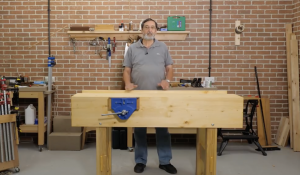
Apprenticeships in fine woodworking are a long-standing custom in the woodworking industry. They offer the chance for aspiring woodworkers to pick the brains of seasoned artisans and obtain practical experience. These apprenticeships are well-known for their capacity to impart important abilities and knowledge that can pave the way for a prosperous career in woodworking. For a long time, many people have chosen woodworking as their hobby or career.
Key Takeaways
- Fine woodworking apprenticeships have a long history and offer a unique learning experience.
- Pursuing a fine woodworking apprenticeship can lead to a fulfilling career and personal growth.
- Opportunities for fine woodworking apprenticeships can be found through various channels, including online resources and networking.
- The application process for fine woodworking apprenticeships typically involves submitting a portfolio and undergoing an interview.
- Fine woodworking apprenticeships provide hands-on training and mentorship, leading to the development of valuable skills and relationships.
The joy of using one’s own hands to create something elegant and useful is what makes woodworking so popular. A vocation in woodworking is a feasible choice for individuals who have a passion for the craft, as evidenced by the rise in demand for fine, handcrafted wood products in recent years. Apprenticeships in woodworking have a long and illustrious history that extends over several centuries. Apprenticeships were the main way to learn a trade in the Middle Ages, and woodworking was no different.
Young people would apprentice themselves to a master woodworker, who would impart to them the knowledge and methods required to become proficient artisans. Woodworking apprenticeships changed over time to accommodate the industry’s shifting demands. Apprenticeships were given specific tasks & training periods during the 18th and 19th centuries, when they were made more official. Prominent furniture makers like George Hepplewhite and Thomas Chippendale began their careers as apprentices and went on to become well-known woodworkers.
Enrolling in a fine woodworking apprenticeship has several benefits. The practical experience that apprentices obtain is one of the main advantages. Through hands-on experience with wood and tools, apprenticeships allow people to hone their skills in a way that traditional woodworking education often lacks—through theory and classroom instruction. An additional benefit of apprenticeships is the opportunity for mentorship.
| Apprenticeship Program | Duration | Skills Taught | Salary Range |
|---|---|---|---|
| Cabinetmaking | 2-3 years | Cabinet design, joinery, finishing | 25,000-45,000 |
| Furniture Making | 3-4 years | Furniture design, joinery, carving, finishing | 30,000-60,000 |
| Woodturning | 2-3 years | Lathe work, bowl turning, spindle turning | 25,000-45,000 |
| Woodworking Business | 2-3 years | Business management, marketing, sales | 30,000-70,000 |
Apprentices get the chance to study under seasoned woodworkers who can offer advice, criticism, and encouragement. Apprentices benefit greatly from this mentorship relationship as they learn new skills and overcome obstacles specific to their trade. Apprenticeships provide a more hands-on, immersive learning environment than traditional woodworking education. An in-depth understanding of the craft is obtained through apprenticeships, which combine practical work & one-on-one mentoring, with formal education programs offering a wider perspective on woodworking principles. Locating apprenticeships in fine woodworking can be difficult, but with the right strategy, you can find the ideal fit.
A viable solution would be to seek out apprenticeship-granting woodworking schools or programs. These organizations can assist in setting up prospective mentors & apprentices with local woodworkers because they frequently maintain established relationships with them. Investigating nearby woodworking studios and stores is another option. A lot of woodworkers are willing to train apprentices & may even be open to accepting them. Establishing connections with local woodworkers is essential because they can offer insightful information and pointers to apprenticeship programs. Finding apprenticeship opportunities also requires networking.
Engaging in online woodworking communities, joining woodworking clubs, & attending woodworking events can facilitate the connection between individuals & seasoned woodworkers who might be seeking apprentices. Depending on the particular opportunity, different applications may be required for fine woodworking apprenticeships. Nonetheless, there are a few standard procedures that people should be aware of before applying for an apprenticeship.
Above all, it’s critical to have a polished portfolio that highlights one’s projects and abilities in woodworking. Photographs or examples of prior work showcasing a variety of methods and craftsmanship should be included in this portfolio. Making a good first impression requires presenting the portfolio in an expert & well-organized way. Many apprenticeship programs require applicants to attend an interview in addition to submitting a portfolio.
The applicant has the chance to highlight their love of woodworking and openness to learning during this interview. Showing that you genuinely care about the craft & bringing questions with you are imperative. People can anticipate a demanding yet fulfilling experience if they are accepted into a fine woodworking apprenticeship. An apprentice’s normal workday may include helping with woodworking projects, picking up new skills, and maintaining tools and equipment, among other things. Apprentices should approach their apprenticeship with an open mind and a desire to learn.
They ought to be ready to step outside of their comfort zones and take on new challenges. This way of thinking is essential to your development as a woodworker. Apprenticeships in fine woodworking offer a special chance to acquire a broad range of abilities, both soft and technical. Apprentices can anticipate learning a variety of woodworking skills, including joinery, carving, and finishing, on the technical front.
They will also acquire a thorough understanding of the various kinds of wood and their characteristics. An apprenticeship program helps develop critical soft skills in addition to technical ones. As apprentices must interact with mentors & clients in an effective manner, communication skills are crucial.
The obstacles faced throughout the apprenticeship help to refine problem-solving abilities as well. These abilities are helpful in other facets of life in addition to woodworking. An essential component of fine woodworking apprenticeships is mentorship.
They aid apprentices in overcoming the difficulties of the trade by offering them direction, assistance, & knowledge. Mentors transmit the customs and methods of woodworking by sharing their expertise. Open communication, mutual respect, and trust are the foundation of a fruitful mentor-mentee relationship.
Mentors ought to be personable, available to respond to inquiries and offer suggestions. Along with pushing the envelope and aiming for perfection, they ought to challenge apprentices. Individual goals & circumstances should be taken into account when choosing between a fine woodworking apprenticeship and traditional woodworking education. While traditional education offers a broader understanding of woodworking principles, apprenticeships offer a more practical & hands-on learning experience. A hands-on learning environment and a strong sense of mentorship are characteristics of the perfect apprenticeship.
They offer an easy way to get hands-on training & experience in woodworking. For those who would rather learn through a theoretical and structured approach, traditional education might be a better fit. The decision between apprenticeships & traditional schooling ultimately comes down to personal preferences and objectives. Some people might decide to go down both paths, combining classroom learning with practical experience. Numerous examples exist of skilled woodworkers who completed apprenticeships and went on to lead prosperous careers in the industry.
Through their apprenticeships, these people have refined their abilities and gained a thorough understanding of the trade. One such success story is the well-known furniture maker Sam Maloof, who began his work as an apprentice. As one of the most significant woodworkers of his era, Maloof received the training and guidance he needed during his apprenticeship. A Swedish-born woodworker who gained recognition for his exquisite handcrafted furniture, James Krenov, is another inspirational example.
Krenov’s distinctive style and method of woodworking were shaped during his apprenticeship in Sweden. The influence that fine woodworking apprenticeships can have on a person’s life and career is demonstrated by these success stories. They stand as evidence of the benefits of practical instruction and mentoring in the field of woodworking. In conclusion, apprentices in fine woodworking provide a distinctive & worthwhile educational opportunity for future woodworkers. They offer practical experience, coaching, and the chance to learn a variety of skills.
Apprenticeships can lay the groundwork for success for anyone interested in woodworking as a career or a hobby. In conclusion, for those who have a strong interest in fine woodworking, it is crucial to think about pursuing an apprenticeship. People can start a successful and rewarding career in the woodworking industry by looking for apprenticeship opportunities, forming relationships with woodworkers, and developing their skills through practical experience. Thus, make the initial move and look into the apprenticeship programs in your community. It could be closer than you think to your woodworking dreams.
If you’re interested in fine woodworking apprenticeships, you may also find this article on Clever Wood Projects helpful. It explores the art of crafting quality woodwork and provides valuable insights into the techniques and skills required to create exceptional pieces. Whether you’re a beginner or an experienced woodworker, this article offers practical advice and inspiration to enhance your craftsmanship. Check it out here. Additionally, if you’re looking for resources to get started in woodworking, Clever Wood Projects has compiled a list of the best books to help you on your journey. Discover these essential reads here. Lastly, if you’re aiming for workshop excellence, Clever Wood Projects has three plans that can guide you in building a workshop that meets your needs and enhances your woodworking experience. Explore these plans here.
FAQs
What is fine woodworking?
Fine woodworking is a type of woodworking that involves creating high-quality, intricate pieces of furniture or other wooden objects using traditional techniques and tools.
What is a woodworking apprenticeship?
A woodworking apprenticeship is a program in which an individual learns the skills and techniques of fine woodworking by working under the guidance of an experienced master woodworker.
What are the benefits of a woodworking apprenticeship?
The benefits of a woodworking apprenticeship include gaining hands-on experience, learning traditional techniques and skills, and having the opportunity to work with and learn from experienced master woodworkers.
What qualifications do I need to become a woodworking apprentice?
There are no specific qualifications required to become a woodworking apprentice, but it is helpful to have some basic woodworking skills and knowledge.
How long does a woodworking apprenticeship last?
The length of a woodworking apprenticeship can vary depending on the program and the individual, but typically lasts between 1-4 years.
What kind of work will I be doing as a woodworking apprentice?
As a woodworking apprentice, you will be working on a variety of projects under the guidance of an experienced master woodworker. This may include designing and building furniture, creating wooden objects, and learning traditional woodworking techniques.
How much does a woodworking apprenticeship cost?
The cost of a woodworking apprenticeship can vary depending on the program and the location, but typically ranges from free to several thousand dollars.
What kind of jobs can I get after completing a woodworking apprenticeship?
After completing a woodworking apprenticeship, you may be able to work as a professional woodworker, furniture maker, or carpenter. You may also choose to start your own woodworking business.