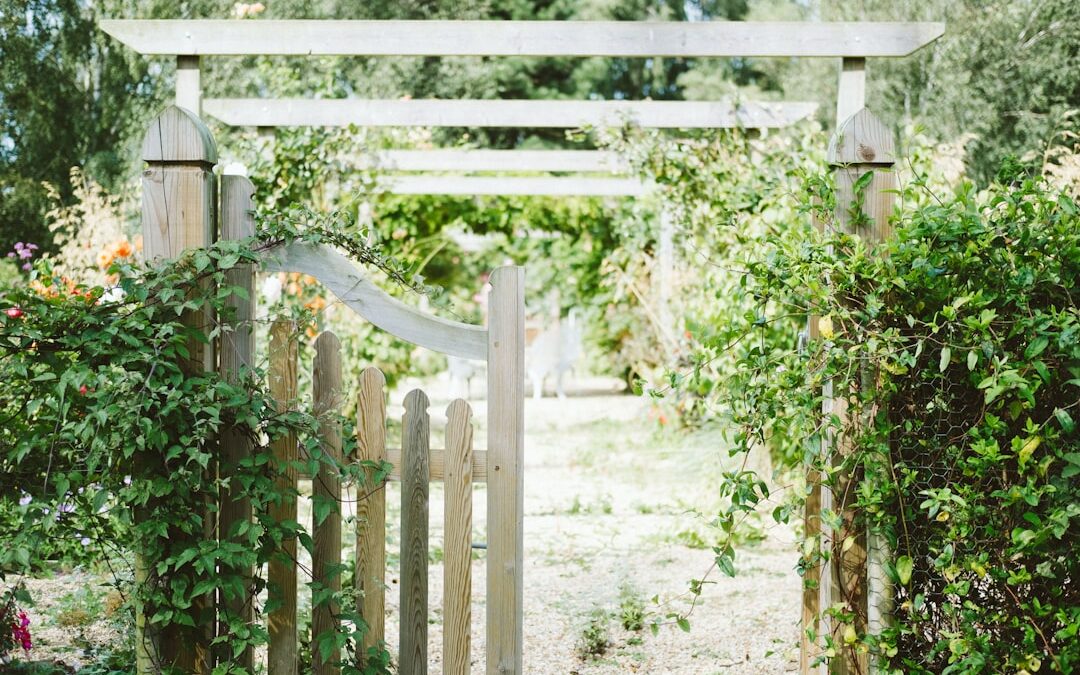
When it comes to choosing the right location for your gazebo, there are several factors to consider. First and foremost, you’ll want to think about the purpose of your gazebo. Are you looking to create a peaceful retreat in your backyard, or do you want a space for entertaining guests? The intended use of your gazebo will help determine the best location for it.
Another important consideration is the layout of your yard or outdoor space. You’ll want to choose a location that is both visually appealing and functional. Consider the natural flow of foot traffic in your yard, as well as any existing landscaping or features that you want to highlight or complement with your gazebo. Additionally, think about the orientation of the sun and prevailing winds in your area. Placing your gazebo in a location that takes advantage of natural light and provides shelter from the wind will make it a more enjoyable space to spend time in.
Once you’ve considered the practical aspects of location, you can also think about the aesthetic impact of your gazebo. A well-placed gazebo can serve as a focal point in your yard, creating a sense of balance and harmony in your outdoor space. Consider how the gazebo will look from different vantage points, both inside and outside your home. You may also want to think about how the gazebo will fit into the overall style and design of your property. Whether you have a formal garden, a rustic woodland setting, or a modern outdoor living space, there’s a perfect location for your gazebo that will enhance the beauty and functionality of your property.
Key Takeaways
- Consider the sun exposure, wind direction, and proximity to other structures when choosing the location for your gazebo
- Choose a design and style that complements the architecture and landscaping of your property
- Gather the necessary materials such as wood, screws, and roofing materials, as well as tools like a saw, drill, and level
- Construct a solid foundation using concrete footings or a gravel base to ensure stability and durability
- Assemble the roof and walls according to the design plans, and consider adding screens or curtains for added comfort
- Add decorative elements such as lighting, seating, and plants to enhance the ambiance of your gazebo
- Regularly inspect and maintain the wood, seal any cracks or splits, and reapply a protective finish to prolong the life of your gazebo
Selecting the Perfect Design and Style for Your Gazebo
When it comes to selecting the perfect design and style for your gazebo, there are countless options to choose from. The first step is to consider the architectural style of your home and property. You’ll want to choose a gazebo design that complements the existing structures and landscaping in your outdoor space. Whether you have a traditional, Victorian-style home or a sleek, modern residence, there’s a gazebo design that will harmonize with your property’s aesthetic.
Next, think about the intended use of your gazebo. If you’re looking for a cozy retreat for reading and relaxation, a smaller, more intimate design may be best. On the other hand, if you plan to use your gazebo for entertaining guests or dining al fresco, you may want a larger, more open design that can accommodate seating and dining furniture. Consider whether you want an open-air design or if you’d prefer to have walls or screens that can be opened or closed as needed.
In addition to considering the practical aspects of design, you can also think about decorative elements that will enhance the beauty of your gazebo. From intricate lattice work and decorative trim to ornate finials and cupolas, there are countless ways to customize the look of your gazebo. You may also want to think about adding features such as built-in benches, planters, or lighting to make your gazebo even more functional and inviting. With so many design options available, you’re sure to find the perfect gazebo that reflects your personal style and enhances the beauty of your outdoor space.
Gathering the Necessary Materials and Tools for Construction
Before you begin construction on your wooden gazebo, it’s important to gather all the necessary materials and tools. The specific materials you’ll need will depend on the design and size of your gazebo, as well as any custom features or decorative elements you plan to include. In general, you’ll need lumber for the frame and roof structure, as well as hardware such as screws, nails, and brackets to assemble the gazebo. You may also need additional materials such as roofing shingles, screens, or decorative trim depending on the design of your gazebo.
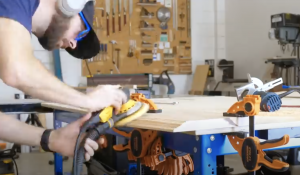
In addition to materials, you’ll also need a variety of tools to complete the construction process. Basic hand tools such as a hammer, tape measure, level, and saw will be essential for cutting and assembling lumber. You may also need power tools such as a drill, circular saw, or nail gun to speed up the construction process. Depending on the complexity of your gazebo design, you may also need specialized tools such as a miter saw or router to create custom cuts and finishes.
Once you’ve gathered all the necessary materials and tools, it’s important to take stock of everything and make sure you have everything you need before you begin construction. This will help ensure that the construction process goes smoothly and efficiently without any unnecessary delays or trips to the hardware store. By being well-prepared with all the necessary materials and tools, you’ll be ready to start building your wooden gazebo with confidence.
Constructing the Foundation and Base of the Gazebo
The foundation and base of your wooden gazebo are crucial components that provide stability and support for the entire structure. Before you begin construction, it’s important to carefully plan and prepare the foundation to ensure that it is level and secure. The specific type of foundation you’ll need will depend on factors such as the size of your gazebo, local building codes, and soil conditions in your area.
One common option for a gazebo foundation is to use concrete footings or piers. This involves digging holes at each corner of the gazebo footprint and pouring concrete into them to create a solid base for the structure. Another option is to use precast concrete pavers or blocks to create a level surface for the gazebo to sit on. This can be a more cost-effective and time-saving option compared to pouring concrete footings.
In addition to the foundation, you’ll also need to construct a sturdy base for your gazebo. This typically involves building a wooden deck or platform that provides a level surface for the gazebo to sit on. The base should be constructed with pressure-treated lumber to resist rot and decay, and it should be securely anchored to the foundation to prevent shifting or settling over time. By taking the time to carefully plan and construct a solid foundation and base for your gazebo, you’ll ensure that it is safe, stable, and built to last for years to come.
Assembling the Roof and Walls of the Gazebo
Once the foundation and base of your wooden gazebo are in place, it’s time to start assembling the roof and walls of the structure. The specific construction process will depend on the design of your gazebo, but in general, this will involve framing out the roof structure and attaching roofing materials, as well as building and installing any walls or screens.
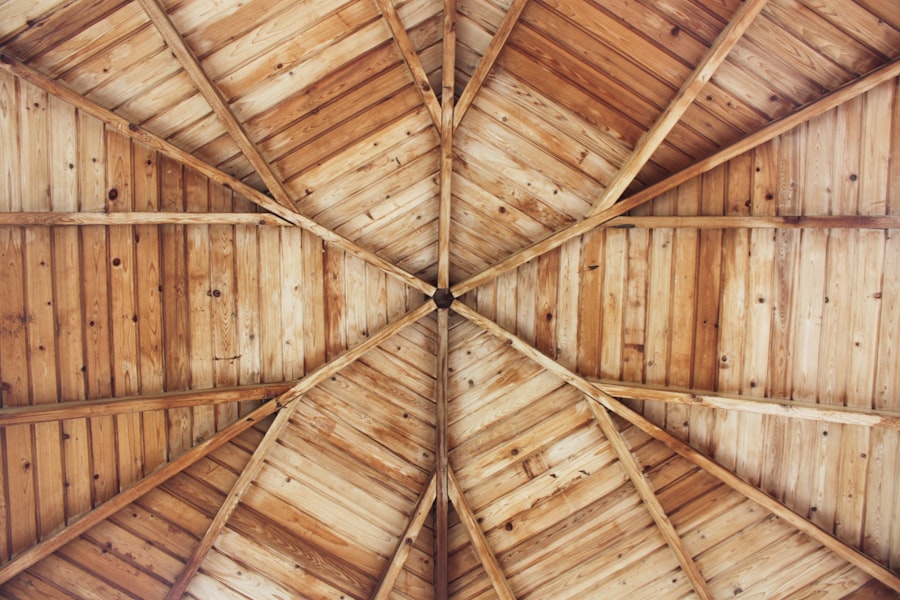
When it comes to framing the roof of your gazebo, it’s important to ensure that it is structurally sound and able to withstand wind and weather. This typically involves constructing a series of rafters or trusses that support the roof structure, as well as adding bracing and sheathing to provide additional strength and stability. Depending on the design of your gazebo, you may also need to install decorative elements such as finials or cupolas at this stage.
In addition to framing the roof, you’ll also need to install roofing materials such as shingles or metal panels to provide protection from rain and sun. This is an important step that will help ensure that your gazebo is weatherproof and able to withstand the elements. If your gazebo has walls or screens, this is also the time to build and install them. This may involve constructing frames from lumber and attaching screening material or panels to create a comfortable and private space within your gazebo.
Adding Finishing Touches and Decorative Elements
Once the basic structure of your wooden gazebo is in place, it’s time to add finishing touches and decorative elements that will enhance its beauty and functionality. One important consideration is adding flooring material to create a comfortable surface for walking and sitting within the gazebo. This could involve installing wooden decking, stone pavers, or even outdoor carpeting depending on your personal preference.
In addition to flooring, you may also want to add built-in seating or other custom features that will make your gazebo more inviting and functional. This could involve building benches or planters directly into the structure of the gazebo, or adding features such as lighting or ceiling fans for added comfort and convenience.
Finally, consider adding decorative elements such as trim work, lattice panels, or ornamental details that will give your gazebo a unique and personalized look. These finishing touches can help tie together the overall design of your gazebo and create a cohesive and inviting outdoor space that you’ll enjoy spending time in for years to come.
Maintaining and Caring for Your Wooden Gazebo
Once your wooden gazebo is complete, it’s important to take steps to maintain and care for it so that it remains beautiful and functional for years to come. One important aspect of maintenance is regular cleaning to remove dirt, debris, and mildew that can accumulate on the surface of the wood. This can typically be done with a mild detergent and water using a soft brush or sponge.
In addition to cleaning, it’s also important to inspect your gazebo regularly for signs of wear and tear such as loose fasteners, cracked wood, or damaged roofing materials. Taking care of these issues promptly can help prevent more serious problems from developing over time.
Another important aspect of maintaining your wooden gazebo is protecting it from the elements. This may involve applying a fresh coat of sealant or stain every few years to protect the wood from moisture and UV damage. Additionally, consider adding features such as gutters or downspouts to help direct water away from the structure and prevent water damage.
By taking these steps to maintain and care for your wooden gazebo, you can ensure that it remains a beautiful and enjoyable outdoor space for many years into the future. With proper maintenance, your wooden gazebo can continue to enhance the beauty and functionality of your property for years to come.
Looking to expand your woodworking skills beyond building a gazebo? Check out “The Dummies Guide to Beginners Woodworking: Woodworking Plans” for helpful tips and techniques to get started on your next project. Whether you’re a beginner or looking to refine your skills, this article offers valuable insights and resources to help you create beautiful and functional woodworking projects. With the help of free software, you can also learn how to create detailed woodworking plans with ease. For more inspiration and expert advice, explore George Vondriska’s unique insights for DIYers and home improvement enthusiasts. Visit Clever Wood Projects for more information.
FAQs
What are the benefits of having a wooden gazebo?
Wooden gazebos provide a charming and rustic outdoor space for relaxation and entertainment. They offer shade and protection from the elements, making them perfect for outdoor leisure activities such as dining, reading, or socializing.
What are the key considerations when designing a wooden gazebo?
When designing a wooden gazebo, it’s important to consider the size, shape, and style that will best complement your outdoor space. Additionally, you’ll need to think about the materials, such as cedar or redwood, and any additional features like benches, screens, or lighting.
What are the steps involved in constructing a wooden gazebo?
The construction of a wooden gazebo typically involves preparing the site, building the foundation, assembling the frame, adding the roof, and finishing with any desired decorative elements. It’s important to follow a detailed plan and use proper tools and materials for a successful build.
What maintenance is required for a wooden gazebo?
To keep a wooden gazebo in good condition, regular maintenance is necessary. This includes cleaning the wood, inspecting for any damage or wear, and applying a protective sealant or stain to prevent rot, decay, and weathering.
Are there any building codes or permits required for constructing a wooden gazebo?
Building codes and permit requirements vary by location, so it’s important to check with your local government or building authority before starting construction on a wooden gazebo. In some areas, a permit may be required for structures of a certain size or height.