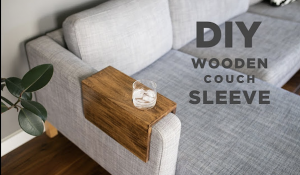
Cedar wood is a popular choice for outdoor woodworking projects due to its natural resistance to decay, rot, and insect damage. It is a durable and long-lasting wood that is also lightweight and easy to work with. Cedar wood has a beautiful natural color and grain pattern, making it an attractive choice for outdoor furniture, decking, fencing, and other outdoor structures. It is also known for its pleasant aroma, which can act as a natural insect repellent. Cedar wood is available in different varieties, including Western Red Cedar, Eastern Red Cedar, and Yellow Cedar, each with its own unique characteristics and benefits. Whether you are a professional woodworker or a DIY enthusiast, cedar wood is an excellent choice for outdoor projects due to its durability, beauty, and natural resistance to the elements.
Key Takeaways
- Cedar wood is a popular choice for outdoor woodworking due to its natural resistance to decay and insects.
- Using cedar wood in outdoor projects can result in durable and long-lasting furniture and structures.
- Cedar wood is commonly used in outdoor woodworking for projects such as decks, fences, and furniture.
- When working with cedar wood, it is important to use stainless steel or corrosion-resistant fasteners to prevent staining and corrosion.
- Regular maintenance and care, such as sealing and cleaning, can help prolong the lifespan of cedar wood outdoor projects.
Benefits of Using Cedar Wood in Outdoor Woodworking
One of the main benefits of using cedar wood in outdoor woodworking projects is its natural resistance to decay, rot, and insect damage. This makes it an ideal choice for outdoor furniture, decking, fencing, and other outdoor structures that are exposed to the elements. Cedar wood is also lightweight and easy to work with, making it a popular choice for DIY enthusiasts and professional woodworkers alike. Its natural color and grain pattern give it a beautiful appearance that can enhance the aesthetic appeal of any outdoor space. In addition, cedar wood has a pleasant aroma that can act as a natural insect repellent, making it an even more attractive choice for outdoor projects. Another benefit of cedar wood is its dimensional stability, meaning it is less likely to warp or shrink when exposed to moisture and temperature changes. This makes it a reliable choice for outdoor projects that need to withstand varying weather conditions.
Uses of Cedar Wood in Outdoor Woodworking Projects
Cedar wood is a versatile material that can be used in a wide range of outdoor woodworking projects. One common use of cedar wood is in the construction of outdoor furniture such as chairs, tables, benches, and Adirondack chairs. Its natural resistance to decay and insect damage makes it an ideal choice for furniture that will be exposed to the elements. Cedar wood is also commonly used in the construction of decking and fencing due to its durability and dimensional stability. It can be used to create beautiful and long-lasting decks, as well as sturdy and attractive fences that can enhance the appearance of any outdoor space. In addition, cedar wood can be used to build pergolas, arbors, and other outdoor structures that can provide shade and enhance the overall design of a backyard or garden. Its natural beauty and resistance to the elements make it a popular choice for these types of projects.
Tips for Working with Cedar Wood
When working with cedar wood in outdoor woodworking projects, there are a few tips to keep in mind to ensure the best results. First, it is important to use stainless steel or corrosion-resistant fasteners when working with cedar wood, as other types of fasteners can react with the natural oils in the wood and cause staining or corrosion over time. Additionally, it is recommended to pre-drill holes for fasteners to prevent splitting and ensure a secure hold. When cutting cedar wood, it is important to use sharp blades and take care to avoid tear-out, as cedar wood can be prone to splintering. It is also important to seal the cut ends of cedar wood with a wood preservative to protect against moisture and decay. Finally, when finishing cedar wood, it is best to use a penetrating oil-based finish that will enhance the natural beauty of the wood while providing protection against the elements.
Another important tip for working with cedar wood is to take into account its natural resistance to decay and insect damage when designing outdoor projects. This means that cedar wood can be used in outdoor projects without the need for pressure treatment or chemical preservatives, making it an environmentally friendly choice. However, it is still important to consider proper drainage and ventilation in outdoor projects to prevent moisture buildup and ensure the longevity of the wood. Additionally, it is important to regularly inspect and maintain cedar wood outdoor projects to ensure they remain in good condition over time.
Maintenance and Care of Cedar Wood Outdoor Projects
Cedar wood outdoor projects require regular maintenance and care to ensure their longevity and beauty. One important aspect of maintaining cedar wood outdoor projects is regular cleaning to remove dirt, debris, and mildew that can accumulate on the surface of the wood. This can be done using a mild detergent and water, along with a soft brush or cloth to gently scrub the surface. It is important to rinse the wood thoroughly after cleaning and allow it to dry completely before applying any finishes or sealants.
In addition to regular cleaning, cedar wood outdoor projects may benefit from the application of a protective finish or sealant to enhance their durability and resistance to the elements. There are many different types of finishes available for cedar wood, including clear sealers, semi-transparent stains, and solid color stains. The type of finish chosen will depend on the desired look and level of protection needed for the project. It is important to follow the manufacturer’s instructions when applying finishes to cedar wood and to reapply as needed to maintain protection over time.
Another important aspect of maintaining cedar wood outdoor projects is regular inspection for signs of wear, damage, or decay. This includes checking for loose fasteners, cracks or splits in the wood, and any signs of insect activity. Any issues should be addressed promptly to prevent further damage and ensure the longevity of the project.
Comparison of Cedar Wood with Other Types of Wood for Outdoor Projects

When considering which type of wood to use for outdoor woodworking projects, it is important to compare cedar wood with other options to determine the best choice for your specific needs. One common alternative to cedar wood for outdoor projects is pressure-treated lumber, which has been chemically treated to resist decay and insect damage. While pressure-treated lumber is often less expensive than cedar wood, it may not have the same natural beauty or environmental benefits. Additionally, pressure-treated lumber may require regular maintenance and reapplication of chemical preservatives over time.
Another alternative to cedar wood for outdoor projects is tropical hardwoods such as teak or mahogany. These woods are known for their durability and resistance to decay, but they are often more expensive than cedar wood and may not be as readily available. Tropical hardwoods also raise environmental concerns due to deforestation and unsustainable harvesting practices in some regions.
Overall, cedar wood offers a unique combination of natural beauty, durability, resistance to decay and insect damage, and environmental benefits that make it an excellent choice for outdoor woodworking projects. While there are other options available, cedar wood stands out as a versatile and reliable choice for a wide range of outdoor projects.
Conclusion and Final Thoughts on Using Cedar Wood in Outdoor Woodworking
In conclusion, cedar wood is an excellent choice for outdoor woodworking projects due to its natural resistance to decay, rot, and insect damage, as well as its durability, beauty, and environmental benefits. Whether you are building outdoor furniture, decking, fencing, or other outdoor structures, cedar wood offers a versatile and reliable option that can enhance the aesthetic appeal and longevity of your projects. By following tips for working with cedar wood and maintaining it properly over time, you can ensure that your outdoor woodworking projects will remain beautiful and functional for years to come.
When comparing cedar wood with other types of wood for outdoor projects, it becomes clear that cedar wood offers a unique combination of benefits that make it stand out as an excellent choice. While there are other options available, cedar wood’s natural beauty, resistance to decay and insect damage, dimensional stability, and environmental benefits make it a top choice for outdoor woodworking projects.
In conclusion, whether you are a professional woodworker or a DIY enthusiast, consider using cedar wood for your next outdoor woodworking project to enjoy its many benefits and create beautiful and long-lasting outdoor spaces.
If you’re interested in outdoor woodworking projects, you’ll love our recent article on the benefits and uses of cedar wood. Cedar is a popular choice for outdoor projects due to its natural resistance to decay and insects, making it perfect for furniture, decks, and other outdoor structures. To further enhance your woodworking skills, check out our guide on how to get started with popular woodworking fun here. Whether you’re a beginner or a seasoned woodworker, this guide will provide valuable insights and tips to elevate your woodworking game.
FAQs
What are the benefits of using cedar wood in outdoor woodworking projects?
Cedar wood is naturally resistant to rot, decay, and insect damage, making it an ideal choice for outdoor projects. It also has a pleasant aroma and is lightweight, making it easy to work with.
What are some common outdoor woodworking projects that use cedar wood?
Cedar wood is commonly used for building outdoor furniture, decks, fences, and pergolas. It is also a popular choice for making planter boxes, garden beds, and outdoor storage sheds.
How does cedar wood compare to other types of wood for outdoor projects?
Cedar wood is known for its durability and natural resistance to the elements, making it a preferred choice for outdoor projects compared to other types of wood such as pine or fir. It requires less maintenance and is less prone to warping or splitting.
Are there any special considerations when working with cedar wood in outdoor projects?
Cedar wood contains natural oils that can cause issues with adhesion when using certain types of finishes or adhesives. It is important to use the appropriate products specifically designed for cedar wood to ensure a successful outdoor woodworking project.
How can cedar wood be maintained in outdoor woodworking projects?
Cedar wood can be maintained by applying a protective finish or sealant to help preserve its natural color and protect it from the elements. Regular cleaning and reapplication of the finish may be necessary to maintain the wood’s appearance and durability.