The ageless art of woodworking is fulfilling, joyful, and gives one a sense of success. Having your own wood shop is crucial for engaging in this hobby, regardless of experience level. This post will discuss the value of creating your own wood shop and offer advice on how to plan, select the appropriate tools and supplies, construct the shop, and keep it maintained. We will also talk about budgeting, budgeting for your woodworking project, budgeting for safety, & the overall enjoyment of doing it yourself. Making something lovely and useful with your hands is possible with the craft of woodworking.
Key Takeaways
- Building your own wood shop is important for pursuing your passion for woodworking.
- Planning your wood shop is crucial to ensure that you have enough space and resources to work efficiently.
- Choosing the right tools and equipment is essential for achieving quality results in your woodworking projects.
- Building your wood shop requires careful consideration of the layout and design, as well as proper safety precautions.
- DIY woodworking projects are a great way to put your new wood shop to use and hone your skills.
Working with wood, molding it, & watching your vision come to life brings a certain kind of joy. Woodworking is a challenging and satisfying process, regardless of the complexity of the piece of furniture you’re building. Possessing a personal wood shop enables you to delve deeply into this art form and unleash your imaginative side. It’s critical to evaluate your needs and the available space before beginning the construction of your wood shop. Think about the projects you want to work on and the supplies and machinery you’ll require. Consider how big the projects you want to work on will be and make sure your wood shop can hold them all.
Optimizing your wood shop’s layout and design is essential to achieving maximum productivity and efficiency. Consider your movement throughout the room and the workflow. Think carefully about where to put your tools, workbench, and storage spaces.
In order to guarantee a cozy & secure working environment, it’s also critical to budget for enough lighting and ventilation. Proper tool and equipment selection is crucial when working with wood. In order to get started, beginners will require a few basic tools. Among them are a tape measure, a chisel set, a drill, a sander, and a circular saw.
| Topic | Metric |
|---|---|
| Size of Wood Shop | 500 sq. ft. |
| Cost of Materials | 5,000 |
| Tools Required | Saw, Drill, Router, Sander, Clamps, Workbench |
| Time to Build | 2-3 weeks |
| Level of Difficulty | Intermediate |
| Benefits | Customizable, Saves Money, Increases Skill Level |
A table saw, router, jointer, and planer are examples of more sophisticated tools you might want to buy as you get more experience. Quality should be given top priority when selecting tools & equipment for your wood shop. Although purchasing high-quality tools will cost more up front, they will last longer & yield superior results. Seek for tools with sturdy builds, well-thought-out designs, and positive feedback from fellow woodworkers. It can be a satisfying project in and of itself to build your own wood shop. Listed below is a comprehensive how-to guide to get you going:1.
Before beginning any construction project, the site must be cleared and a concrete foundation poured. Your wood shop will have a sturdy foundation thanks to this. 2. Building the walls and roof: After the foundation is installed, the walls and roof can be built.
To maintain your wood shop’s structural integrity, use robust materials like pressure-treated lumber. 3. Plumbing and electrical installation: Installing lighting fixtures and electrical outlets in your wood shop may be necessary, depending on your needs. Plumbing will also need to be installed if you intend to have a sink or bathroom. 4. Final details: To make your wood shop more cozy and useful, you can install flooring, drywall, & insulation after the basic structure is finished.
To keep your tools organized, think about adding storage options and painting the walls. It’s time to get started on some projects now that you have your very own wood shop. There are many do-it-yourself woodworking projects available, suitable for both novice & expert woodworkers. These are a few suggestions: 1. Beginner-friendly simple projects: Begin with little projects like a picture frame, a birdhouse, or a cutting board.
You’ll build confidence & practice fundamental woodworking skills with these projects. 2. Projects for intermediate woodworkers: After you have mastered the fundamentals, you can take on more challenging tasks like building a wooden bench, bookshelf, or coffee table. These tasks will test your abilities & give you the chance to try out new methods. 3.
Craftsmanship projects for the advanced beginner: If you’re a seasoned woodworker seeking a new challenge, try building a custom cabinet, a rocking chair, or a dining table. These projects call for advanced knowledge and meticulous attention to detail. In your wood shop, safety should always come first.
The following are some crucial safety measures to remember: 1. Wearing safety glasses, earplugs, and a dust mask is a must when working with wood. Also adding to your protection are gloves. 2.
Tool usage best practices: Before using any of your tools or equipment, make sure you have read the manuals and instructions. Always use the right procedures and never try to use a tool for something that it wasn’t intended for. 3. Fire safety tip: Make sure your wood shop has an easily accessible fire extinguisher. Stunned materials should not be used near heat sources or open flames. Optimizing efficiency & productivity requires a wood shop that is well-organized.
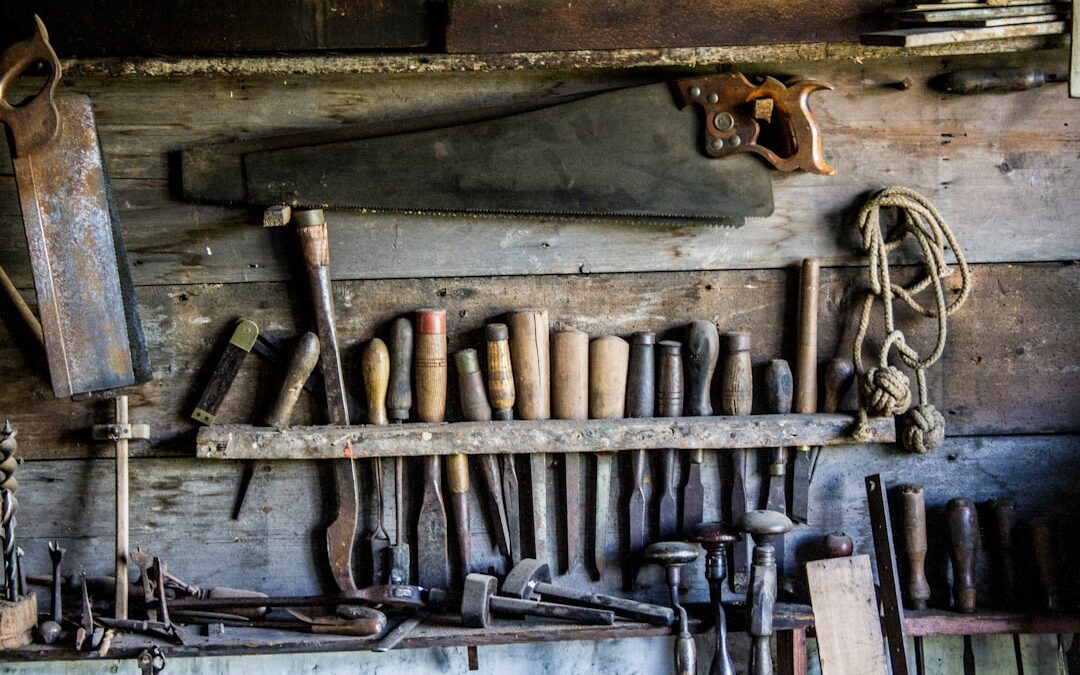
To keep your wood shop neat and orderly, consider the following storage and layout ideas:1. Utilizing wall-mounted shelves, pegboards, & cabinets to store your tools and supplies will help you make the most of your available space. To create more floor space, make use of vertical space. 2. Making a functional layout for your tools and equipment: Set up your tools and equipment so that you can work quickly and easily.
Stack comparable tools together and keep frequently used tools close at hand. Three. Keeping your workspace tidy and orderly: Dust & debris should be routinely removed from your wood shop. Empty the trash cans, sweep the floors, & clean the surfaces.
The workplace will become safer and more comfortable as a result. Maintaining your woodworking tools and equipment properly is essential to keeping them in good operating order. Here are some pointers to keep your tools in good condition:1. Routine upkeep and cleaning: Dust and debris should be removed from your tools by cleaning them after each use. Lubricate moving components & look for wear or damage. 2.
Keeping saw blades, chisels, and other cutting tools sharp is important. Replace and sharpen your blades as needed. Ineffective and potentially dangerous are dull blades.
If a blade becomes worn out or damaged, replace it. 3. Tool storage best practices: To avoid corrosion & damage, keep your tools in a safe, dry place. Organize & make them easily accessible by using wall-mounted racks, cabinets, or toolboxes.
Although creating and outfitting a wood shop can be costly, there are methods to cut costs. The following are some suggestions for cutting costs:1. When purchasing secondhand machinery, make sure it is in good working order. At a fraction of the price of brand-new ones, many woodworkers sell their gently used tools for sale. 2. Handmade storage & organizing solutions: Contemplate building your own tool racks, cabinets, & shelves as an alternative to purchasing pricey storage solutions.
By doing this, you can tailor the storage to meet your needs and potentially save money. 3. Setting priorities for necessary equipment and tools: Begin with the necessities for your projects. You can gradually spend more money on extra tools as you acquire more expertise and take on more challenging projects. A fulfilling project that lets you follow your passion for woodworking is building your own wood shop.
Among the benefits of doing it yourself woodworking are the satisfaction of building something with your own hands, the delight of picking up new skills, & the satisfaction of having a well-run, functional shop. You can create an environment that stimulates creativity and lets you fully immerse yourself in the art of woodworking by using the advice and techniques provided in this article. So get your tools, roll up your sleeves, and start creating the wood shop of your dreams right now!
If you’re interested in setting up your own DIY wood shop, you’ll definitely want to check out this informative article on woodworking benches. It provides valuable insights on choosing the right workbench for your needs and offers practical tips for building one yourself. Whether you’re a beginner or an experienced woodworker, having a sturdy and functional workbench is essential for any project. To learn more about the different types of workbenches and their features, head over to cleverwoodprojects.org/woodworkingbench/.
FAQs
What is a DIY wood shop?
A DIY wood shop is a space where individuals can work on woodworking projects using their own tools and equipment.
What tools are typically found in a DIY wood shop?
A DIY wood shop may include tools such as saws, drills, sanders, planers, routers, and various hand tools.
Can anyone use a DIY wood shop?
Most DIY wood shops require individuals to have some level of experience with woodworking and may require a membership or fee to use the space and equipment.
What are the benefits of using a DIY wood shop?
Using a DIY wood shop allows individuals to have access to a wider range of tools and equipment than they may have at home, as well as the opportunity to learn from and collaborate with other woodworkers.
What safety precautions should be taken in a DIY wood shop?
Safety is a top priority in a DIY wood shop, and individuals should always wear appropriate safety gear such as eye and ear protection. They should also be familiar with the proper use of each tool and follow all safety guidelines and procedures.