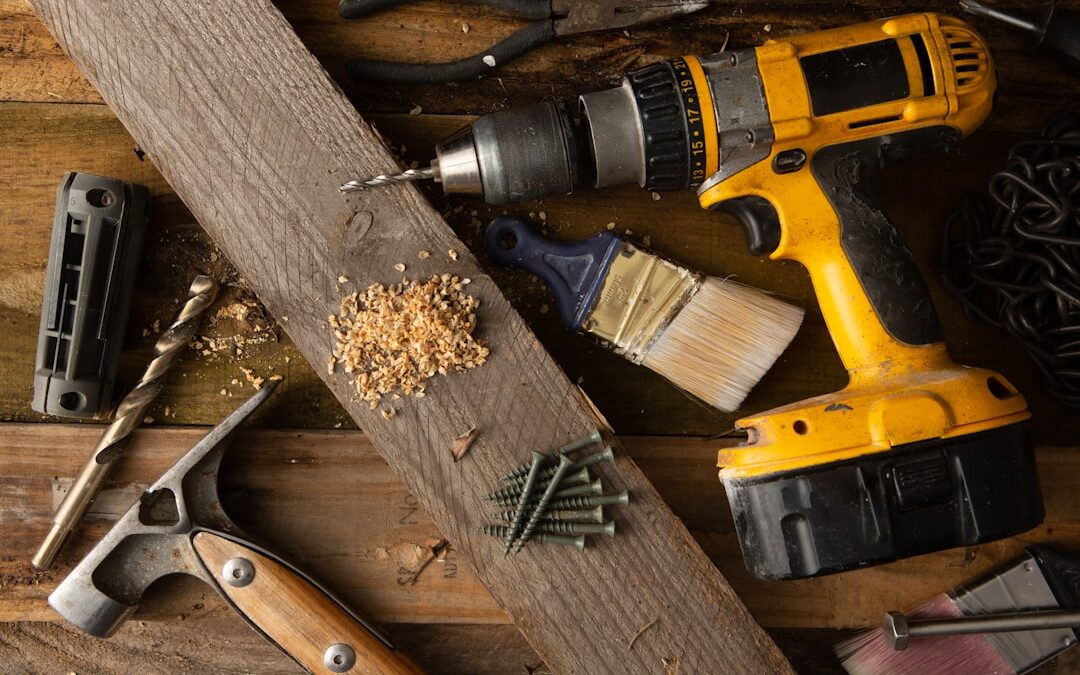
For any enthusiast in woodworking, building a wood shop can be an exciting project. When starting this project, it’s crucial to take costs into account. Although building a wood shop can get costly quickly, it is still possible to create a useful & efficient space without going over budget with careful planning and well-considered design decisions. We’ll look at a number of ideas and methods for creating a wood shop that is affordable in this post. We will cover every facet of setting up a wood shop that fits your needs and budget, from selecting the ideal location to locating reasonably priced supplies and equipment.
Key Takeaways
- Choosing the right location for your wood shop is crucial for a budget-friendly build.
- Cost-effective materials like plywood and OSB can be used for building your wood shop.
- Designing a functional and efficient layout can save you money in the long run.
- Essential tools like a table saw and drill press can be found at affordable prices.
- Maximizing natural light and ventilation can reduce energy costs in your wood shop.
Both the overall cost and functionality of your wood shop are greatly influenced by its location. The place you pick for your woodworking projects should be both easily accessible and spacious enough. To locate a suitable location without going over budget, consider the following tips:1. If your wood shop needs more space than you have on your property, you may want to think about renting a space.
This can be a reasonably priced solution. Search for commercial or industrial spaces that have reasonable rental costs. You could also split the cost of the space by renting it out to other woodworkers. 2. Make use of existing structures: You might want to think about turning an existing shed or garage on your property into your wood shop. When compared to starting from scratch to build a new structure, this can save you a substantial amount of money.
Three. Seek out properties at a discount: Be on the lookout for homes being offered for sale at a lower price. Although they might need some remodeling, these homes can offer your wood shop an affordable option. Selecting the appropriate materials is crucial for constructing your woodworking shop. Premium materials can be pricey even though they might be preferred.
| Tip | Description |
|---|---|
| Use salvaged materials | Look for free or low-cost wood, windows, and doors from construction sites, Craigslist, or local salvage yards. |
| Build a simple design | Avoid complex designs that require expensive materials and labor. Stick to a basic rectangular shape with a gable roof. |
| Choose affordable siding | Opt for inexpensive materials like T1-11 plywood or metal siding instead of expensive wood or vinyl. |
| Install energy-efficient windows | Invest in double-paned windows to reduce heating and cooling costs. |
| Use LED lighting | LED bulbs are more energy-efficient and last longer than traditional incandescent bulbs. |
| Insulate the walls and roof | Proper insulation can save money on heating and cooling costs. |
| Build your own workbenches and shelves | Save money by building your own workbenches and shelves instead of buying pre-made ones. |
Listed below are some pointers for selecting reasonably priced materials that are nonetheless strong & useful:1. Select plywood: This material can be used for a variety of purposes in your wood shop and is both affordable and versatile. It is readily available, reasonably priced, robust, & long-lasting. Plywood can be used for structural components such as workbenches and storage shelves. 2. Utilize recycled materials: Keep an eye out for chances to repurpose or recycle materials. For instance, wood from abandoned buildings or furniture can be salvaged.
By doing this, you’ll not only save money but also add a distinctive, rustic charm to your wood shop. Three. Look around for discounts: Spend some time comparing costs and locating the best offers on supplies. Check your neighborhood hardware stores or internet merchants for deals, discounts, and clearance merchandise.
Long-term cost savings are another benefit of buying in bulk. Your wood shop’s productivity and efficiency can be significantly impacted by its layout. An efficient layout makes the most of available space and streamlines workflow, which improves productivity. These pointers can help you create a wood shop layout that is both practical and effective:1.
Design your workflow: Take into account how your woodworking process moves along & set up your equipment and work areas appropriately. Logically arrange your workstations and keep commonly used tools close at hand. 2. Make use of vertical space: Install shelving units & wall-mounted storage options to take advantage of vertical space. By doing this, you’ll be able to store as much as possible without using up valuable floor space. 3. Establish designated zones: Set up distinct areas in your wood shop for various tasks, such as assembly, sanding, and cutting.
This will reduce the amount of time you spend hopping around between areas and help you stay organized. For every wood shop, having the appropriate tools and equipment is essential. But the cost of buying good tools can mount up quickly. Here are some pointers for locating reasonably priced alternatives for necessary tools and equipment:1.
Purchase used tools: Take into consideration buying used tools from reliable vendors, such as local classified ads, online marketplaces, or woodworking forums. When properly cared for, used tools can still last for many years & are frequently much less expensive than new ones. 2. Hire a tool instead of buying one: If you need a particular tool for a brief amount of time, think about hiring or borrowing it. This can keep your wood shop clutter-free and save you money. 3.
Set a priority list for your essential tools and prioritize your purchases by figuring out which ones you will use most frequently. More specialized tools can be added to your collection over time as your budget permits. While constructing a wood shop, natural light & ventilation are crucial components to take into account. They improve the woodworker’s general safety & well-being in addition to making the workspace enjoyable.
The following advice can help you make the most of these components while staying within your budget:1. Install skylights & windows: If at all possible, include skylights and windows in the design of your wood shop. They will lessen the need for artificial lighting during the day by letting in an abundance of natural light. 2. Employ reflective surfaces to optimize the distribution of natural light in your wood shop. You can use reflective materials or paint the walls and ceiling in light colors.
Three. Employ fans & vents: Set up fans and vents to encourage ventilation and air movement in your wood shop. A more comfortable & healthy working environment will result from the removal of dust, fumes, & excess heat.
For any wood shop, heating and cooling are crucial factors to take into account, particularly in harsh weather. Nevertheless, the installation & maintenance of conventional heating & cooling systems can be costly. Finding cost-effective energy-efficient solutions is made easier with the following advice:1. In order to keep your wood shop at a comfortable temperature, it is essential to properly insulate it. To stop heat gain in the summer and loss in the winter, insulate the floor, walls, & ceiling. 2.
Use energy-efficient space heaters & fans: Rather than depending solely on a central air conditioning or heating system, think about utilizing space heaters and fans. These can be more affordable and give you the ability to regulate the temperature in particular sections of your wood shop. 3. Benefit from natural ventilation: If your wood shop is located in a mild climate, natural ventilation can help you maintain a comfortable temperature.
To let hot air escape and cool air enter, carefully open windows & doors. Furnishing a wood shop can be done affordably and satisfyingly by building your own workbenches and storage solutions. You will not only save costs, but you can alter the designs to meet your own requirements. The following advice can help you locate do-it-yourself woodworking projects that are both practical & affordable:1.
Look for free plans online: Free woodworking plans for a variety of projects can be found on a lot of websites and forums. Use these resources to obtain plans for creating workbenches, bookcases, and other furniture pieces. 2. Utilize reclaimed wood: As previously noted, saving wood from abandoned buildings or old furniture can be a great way to cut costs. When doing DIY projects, look for reclaimed wood that is still in good shape. 3.
Beginner woodworkers should start with straightforward designs that just call for the most basic equipment and knowledge. You can take on increasingly challenging projects as you get more experience. For the sake of efficiency, productivity, & safety, a wood shop must be kept neat & orderly. Nonetheless, it can be difficult to arrange supplies and equipment, particularly when money is tight. The following advice will help you do it on a tight budget:1. Hang your tools with hooks by using pegboards that you install on the walls of your woodworking shop.
This will keep them close at hand and keep your workbenches clear of clutter. 2. Repurpose old jars, cans, and other containers to store small items like hardware, screws, & nails. This is a less expensive option than purchasing pricey storage containers. Three. Put in place a cleaning schedule: To keep your wood shop neat and orderly, organize regular cleaning sessions.
At the conclusion of each project, sweep the floors, clean the surfaces, & replace the tools in their proper locations. It doesn’t have to be an expensive project to build a wood shop. You can design a useful and effective space without going over budget if you think wisely and look for affordable solutions. There are many ways to help you create a low-cost wood shop that fits your needs and budget, from picking the ideal location to locating affordable materials and equipment. You can start woodworking with confidence by using the advice in this article, & you can build a wood shop that will serve as an inspiration for years to come for creativity and craftsmanship.
If you’re interested in building a wood shop on a budget, you may also find this article on Clever Wood Projects helpful. It discusses how to make woodworking plans and start a woodworking business. Check it out here. Additionally, if you want to learn more about the difference between joinery furniture and mass-produced furniture, this article provides valuable insights. Read it here. Lastly, if you’re a beginner looking for easy DIY wood projects to get started with, this article offers some great ideas. Discover them here.
FAQs
What is a wood shop?
A wood shop is a workspace where woodworking projects are carried out. It typically includes tools and equipment such as saws, drills, sanders, and workbenches.
Why build a wood shop on a budget?
Building a wood shop on a budget can save you money and allow you to create a functional workspace without breaking the bank.
What are some tips for building a wood shop on a budget?
Some tips for building a wood shop on a budget include using reclaimed materials, buying used tools, and prioritizing essential equipment over luxury items.
What are some essential tools for a wood shop?
Some essential tools for a wood shop include a table saw, drill press, band saw, jointer, planer, and router.
How much does it cost to build a wood shop?
The cost of building a wood shop can vary greatly depending on the size of the space, the tools and equipment needed, and the materials used. However, it is possible to build a functional wood shop on a budget of a few thousand dollars.
What are some safety considerations when building a wood shop?
Some safety considerations when building a wood shop include ensuring proper ventilation, wearing protective gear such as safety glasses and earplugs, and following proper tool usage and maintenance procedures.