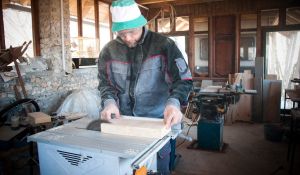
Proper ventilation is crucial in any woodworking shop, especially in a basement setting. Woodworking produces a significant amount of dust and airborne particles that can pose serious health risks if not properly managed. As someone who has experienced the consequences of poor ventilation firsthand, I can attest to the importance of ensuring a safe and healthy environment in your woodworking shop.
Several years ago, I set up a small woodworking shop in my basement. At the time, I didn’t give much thought to ventilation and simply relied on opening a window for fresh air. However, as I spent more time in the shop, I began to notice the negative effects of inhaling sawdust and other airborne particles. It wasn’t until I started experiencing respiratory issues and frequent headaches that I realized the importance of proper ventilation.
Key Takeaways
- Proper ventilation is crucial for a safe and healthy woodworking environment in your basement.
- Poor ventilation can lead to serious health risks such as respiratory problems and exposure to harmful chemicals.
- Proper ventilation can improve air quality, reduce dust and debris, and prevent moisture buildup in your woodworking shop.
- There are various types of ventilation systems available, and it’s important to consider factors such as size, noise level, and maintenance requirements when choosing one.
- Regular maintenance and addressing common ventilation issues can ensure the effectiveness of your ventilation system and improve air quality in your woodworking shop.
Health Risks Associated with Poor Ventilation in Woodworking Shops
Inhaling sawdust and other airborne particles can have serious health consequences. Wood dust contains various chemicals and allergens that can irritate the respiratory system and cause long-term damage. Prolonged exposure to wood dust has been linked to respiratory conditions such as asthma, bronchitis, and even lung cancer.
I vividly remember the time when I neglected proper ventilation in my woodworking shop. I was working on a large project that involved cutting and sanding a lot of wood. The air in the shop quickly became thick with sawdust, and I didn’t think much of it at the time. However, over the next few days, I developed a persistent cough and experienced difficulty breathing. It was a wake-up call for me to prioritize proper ventilation in my woodworking shop.
The Benefits of Proper Ventilation in Your Basement Woodworking Shop
Proper ventilation in your basement woodworking shop offers numerous benefits, both for your health and the overall quality of your work environment. Firstly, it improves air quality by removing harmful particles and chemicals from the air. This not only reduces the risk of respiratory issues but also creates a more pleasant and comfortable working environment.
Additionally, proper ventilation helps to regulate temperature and humidity levels in your woodworking shop. Woodworking can generate a significant amount of heat, especially when using power tools. Without proper ventilation, the shop can quickly become hot and stuffy, making it uncomfortable to work in. By installing a ventilation system, you can maintain a comfortable temperature and humidity level, ensuring optimal conditions for your woodworking projects.
I remember the first time I installed a proper ventilation system in my woodworking shop. The difference was remarkable. The air felt cleaner and fresher, and I no longer had to worry about inhaling harmful particles. Not only did it improve my overall health and well-being, but it also made the woodworking experience much more enjoyable.
Types of Ventilation Systems for Woodworking Shops
| Type of Ventilation System | Description | Advantages | Disadvantages |
|---|---|---|---|
| Natural Ventilation | Uses natural air flow to ventilate the shop | Low cost, energy efficient | Dependent on weather conditions, limited control over air flow |
| Mechanical Exhaust Ventilation | Uses fans to exhaust air from the shop | Effective at removing contaminants, can be automated | Can be noisy, requires regular maintenance |
| Mechanical Supply Ventilation | Uses fans to supply fresh air into the shop | Provides consistent air flow, can be automated | May require additional exhaust system, can be noisy |
| Mechanical Balanced Ventilation | Uses both exhaust and supply fans to balance air flow | Provides consistent air flow, can be automated | May require additional ductwork, can be noisy |
| Combination Ventilation | Combines natural and mechanical ventilation systems | Provides flexibility and control over air flow | May require additional equipment and maintenance |
There are several types of ventilation systems available for woodworking shops, each with its own advantages and considerations. One common option is an exhaust fan system, which helps to remove airborne particles by drawing air out of the shop. These systems are typically installed near the ceiling or in a window and require proper ductwork to ensure effective airflow.
Another option is an air filtration system, which uses filters to capture dust and other particles from the air. These systems are particularly useful for removing fine dust that may not be captured by an exhaust fan alone. Air filtration systems can be standalone units or integrated into existing HVAC systems.
Personal anecdotes about experiences with different types of ventilation systems can vary greatly depending on individual circumstances and preferences. Some woodworkers may find that an exhaust fan system works best for their needs, while others may prefer the added filtration provided by an air filtration system. It’s important to consider factors such as the size of your shop, the type of woodworking being done, and your budget when choosing a ventilation system.
Factors to Consider When Choosing a Ventilation System for Your Woodworking Shop
When choosing a ventilation system for your woodworking shop, there are several important factors to consider. Firstly, you need to assess the size of your shop and the amount of airflow required. Larger shops may require multiple exhaust fans or a more powerful air filtration system to effectively remove airborne particles.
Additionally, consider the type of woodworking being done in your shop. If you primarily work with hand tools and produce minimal dust, a simple exhaust fan system may be sufficient. However, if you frequently use power tools that generate a significant amount of dust, an air filtration system may be necessary to capture fine particles.
Budget is also an important consideration when choosing a ventilation system. Exhaust fan systems tend to be more affordable and easier to install, while air filtration systems can be more expensive but offer additional benefits such as improved air quality.
Personal anecdotes about the process of choosing a ventilation system can vary greatly depending on individual circumstances and preferences. It’s important to carefully evaluate your specific needs and consult with professionals if necessary to ensure you choose the right ventilation system for your woodworking shop.
Installation and Maintenance of Ventilation Systems in Your Woodworking Shop

Proper installation and maintenance of ventilation systems are crucial for their effectiveness and longevity. Improper installation can result in inadequate airflow or even damage to the system. It’s important to follow manufacturer guidelines and consult with professionals if necessary to ensure proper installation.
Regular maintenance is also essential to keep your ventilation system running smoothly. This includes cleaning or replacing filters, checking for any blockages or obstructions, and ensuring proper airflow. Neglecting maintenance can lead to reduced effectiveness and potential health risks.
Personal anecdotes about experiences with installing and maintaining ventilation systems can vary greatly depending on individual circumstances and preferences. Some woodworkers may find that they are able to install and maintain their ventilation systems themselves, while others may prefer to hire professionals for the job. It’s important to prioritize proper installation and maintenance to ensure the longevity and effectiveness of your ventilation system.
Common Ventilation Issues and How to Address Them
While proper installation and maintenance can help prevent ventilation issues, it’s important to be aware of common problems that may arise and how to address them. One common issue is clogged filters, which can reduce the effectiveness of your ventilation system. Regularly cleaning or replacing filters can help prevent this problem.
Another common issue is inadequate airflow, which can result from improper installation or blockages in the ductwork. It’s important to regularly check for any obstructions and ensure proper airflow throughout your woodworking shop.
Personal anecdotes about experiences with addressing ventilation issues can vary greatly depending on individual circumstances and preferences. Some woodworkers may have encountered minor issues that were easily resolved, while others may have faced more significant challenges. It’s important to be proactive in addressing ventilation issues to ensure a safe and healthy working environment.
Tips for Improving Air Quality in Your Basement Woodworking Shop
In addition to installing a ventilation system, there are several other tips you can implement to improve air quality in your basement woodworking shop. One of the most effective ways is to use a dust collection system. These systems capture dust at the source, such as power tools or sanding stations, preventing it from becoming airborne.
Wearing protective gear, such as a dust mask or respirator, is also essential for reducing exposure to harmful particles. Additionally, regularly cleaning your shop and removing any accumulated dust can help improve air quality.
Personal anecdotes about experiences with implementing these tips can vary greatly depending on individual circumstances and preferences. Some woodworkers may find that using a dust collection system significantly improves air quality and reduces the need for frequent cleaning, while others may prefer to rely on protective gear alone. It’s important to find a combination of strategies that works best for your specific needs.
Best Practices for Safe and Effective Woodworking in a Well-Ventilated Shop
In addition to prioritizing proper ventilation and air quality, there are several best practices you should follow for safe and effective woodworking in a well-ventilated shop. Firstly, it’s important to properly store materials and tools to prevent accidents and ensure a clutter-free workspace.
Using tools correctly and following safety guidelines is also crucial for preventing injuries. This includes wearing appropriate protective gear, such as safety glasses and hearing protection, and using tools in a controlled and responsible manner.
Personal anecdotes about experiences with implementing these best practices can vary greatly depending on individual circumstances and preferences. Some woodworkers may have had close calls or accidents that served as reminders of the importance of following safety guidelines, while others may have developed good habits from the start. It’s important to prioritize safety in your woodworking shop to prevent accidents and injuries.
Prioritizing Proper Ventilation for a Safe and Healthy Woodworking Environment
In conclusion, proper ventilation is essential for maintaining a safe and healthy woodworking environment, especially in a basement setting. The health risks associated with inhaling sawdust and other airborne particles are significant, making it crucial to prioritize proper ventilation in your woodworking shop.
By installing a ventilation system, you can improve air quality, reduce health risks, and create a more comfortable working environment. It’s important to carefully consider factors such as the size of your shop, the type of woodworking being done, and your budget when choosing a ventilation system.
Proper installation and maintenance of ventilation systems are also crucial for their effectiveness and longevity. Regularly cleaning or replacing filters, checking for obstructions, and ensuring proper airflow are essential tasks.
In addition to installing a ventilation system, implementing tips such as using dust collection systems and wearing protective gear can further improve air quality in your woodworking shop. Following best practices for safe and effective woodworking will also help prevent accidents and injuries.
As someone who has experienced the consequences of poor ventilation firsthand, I can attest to the importance of prioritizing proper ventilation in your woodworking shop. By doing so, you can create a safe and healthy environment that allows you to enjoy your woodworking projects to the fullest.
If you’re setting up a woodworking shop in your basement, it’s crucial to prioritize safety and ensure proper ventilation. In fact, a recent article on Clever Wood Projects provides valuable insights on the importance of ventilation in a basement woodworking shop. The article highlights the potential health hazards associated with inadequate ventilation and offers practical tips on how to improve air circulation in your workspace. To learn more about this topic, check out the article here.
FAQs
What is ventilation in a basement woodworking shop?
Ventilation in a basement woodworking shop refers to the process of circulating fresh air into the workspace and removing stale air, dust, and fumes to maintain a healthy and safe environment.
Why is ventilation important in a basement woodworking shop?
Ventilation is important in a basement woodworking shop to prevent the buildup of harmful dust and fumes that can cause respiratory problems and other health issues. It also helps to regulate temperature and humidity levels, which can affect the quality of the wood and the finished product.
What are the different types of ventilation systems for a basement woodworking shop?
There are several types of ventilation systems for a basement woodworking shop, including natural ventilation, mechanical ventilation, and hybrid ventilation. Natural ventilation relies on the natural flow of air through windows, doors, and vents, while mechanical ventilation uses fans and ducts to circulate air. Hybrid ventilation combines both natural and mechanical ventilation systems.
How do I choose the right ventilation system for my basement woodworking shop?
Choosing the right ventilation system for your basement woodworking shop depends on several factors, including the size of the space, the type of woodworking you do, and your budget. It is recommended to consult with a professional to determine the best ventilation system for your specific needs.
What are the benefits of having proper ventilation in a basement woodworking shop?
Proper ventilation in a basement woodworking shop can improve air quality, reduce the risk of respiratory problems, prevent the buildup of harmful dust and fumes, regulate temperature and humidity levels, and create a more comfortable and safe working environment. It can also improve the quality of the wood and the finished product.