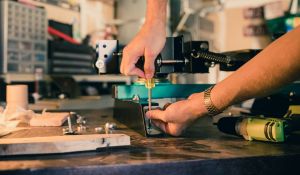
Furniture making is an art that has been practiced for centuries, with techniques evolving and improving over time. From traditional handcrafted methods to modern machinery, furniture making encompasses a wide range of skills and techniques. Whether you are a seasoned woodworker or a beginner looking to delve into the world of furniture making, understanding the various techniques involved is essential for creating high-quality, durable pieces.
One of the most important aspects of furniture making is understanding the different techniques used to join wood together, such as dovetail joints, mortise and tenon joints, and biscuit joints. Additionally, woodworking techniques like carving, turning, and shaping are crucial for creating intricate designs and details on furniture pieces. Finishing techniques, such as staining, painting, and varnishing, are also essential for protecting and enhancing the appearance of the final product. Upholstery techniques play a significant role in creating comfortable and visually appealing furniture pieces. In this article, we will explore the essential tools and techniques for furniture making, as well as safety tips to ensure a successful and enjoyable woodworking experience.
Key Takeaways
- Furniture making involves a variety of techniques to create functional and aesthetically pleasing pieces.
- Essential tools for furniture making include saws, chisels, drills, and clamps, among others.
- Joinery techniques such as mortise and tenon, dovetail, and biscuit joinery are commonly used in furniture making.
- Woodworking techniques like planing, sanding, and shaping are crucial for creating smooth and polished furniture pieces.
- Finishing techniques such as staining, varnishing, and lacquering are important for protecting and enhancing the appearance of furniture.
Essential Tools for Furniture Making
Hand Tools
When it comes to furniture making, hand tools are essential for precision and detail work. Some of the most commonly used hand tools include chisels, hand saws, planes, rasps, and files. Chisels are used for carving and shaping wood, while hand saws are necessary for cutting wood to size. Planes are used to smooth and flatten wood surfaces, while rasps and files are used for shaping and refining intricate details.
Power Tools
Power tools have revolutionized the furniture making industry, allowing for faster and more efficient woodworking. Some essential power tools for furniture making include a table saw, band saw, router, power drill, and orbital sander. A table saw is used for cutting large pieces of wood with precision, while a band saw is ideal for cutting curves and irregular shapes. Routers are essential for creating decorative edges and joinery, while power drills are necessary for drilling holes and driving screws. An orbital sander is used for smoothing wood surfaces before finishing.
Joinery Techniques for Furniture Making
Dovetail Joints
Dovetail joints are one of the most iconic and strong joinery techniques used in furniture making. They are commonly used in drawer construction and box-making. Dovetail joints are created by interlocking trapezoidal pins and tails, which provide a strong mechanical connection that resists pulling apart. This technique requires precision and skill to create tight-fitting joints that are both functional and visually appealing.
Mortise and Tenon Joints
Mortise and tenon joints are another classic joinery technique that is widely used in furniture making. This method involves creating a square or rectangular hole (mortise) in one piece of wood and fitting a corresponding projection (tenon) from another piece of wood into the hole. This creates a strong and durable connection that is often used in table legs, chair frames, and door construction.
Woodworking Techniques for Furniture Making
Carving
Carving is a woodworking technique that involves shaping wood by cutting away material using a variety of tools such as chisels, gouges, and knives. This technique is commonly used to create intricate designs and decorative elements on furniture pieces, such as chair legs, table aprons, and cabinet doors. Carving requires patience, precision, and a steady hand to achieve the desired results.
Turning
Wood turning is a technique that involves shaping wood using a lathe to create cylindrical or rounded forms such as table legs, chair spindles, and decorative finials. This technique requires skill and attention to detail to achieve symmetrical shapes and smooth surfaces. Woodturning can add a unique and elegant touch to furniture pieces, showcasing the natural beauty of the wood grain.
Finishing Techniques for Furniture Making
Staining
Staining is a popular finishing technique used to enhance the natural color of wood while providing protection against moisture and wear. Stains come in a variety of colors and can be applied using a brush or cloth to achieve the desired shade. It is important to sand the wood thoroughly before applying stain to ensure an even and smooth finish.
Varnishing
Varnishing is a protective finish that provides a durable and glossy surface to wood furniture. It helps to seal the wood against moisture and scratches while enhancing the natural beauty of the grain. Varnish can be applied using a brush or spray gun in multiple coats to achieve a smooth and lustrous finish.
Upholstery Techniques for Furniture Making

Padding
Padding is an essential upholstery technique that involves adding layers of foam, cotton, or other materials to provide comfort and support to furniture pieces such as chairs, sofas, and ottomans. The padding is carefully shaped and secured to the frame before being covered with fabric or leather to create a soft and inviting seating surface.
Tufting
Tufting is a decorative upholstery technique that involves creating patterns of buttons or stitches on the surface of fabric or leather to create a tufted or quilted appearance. This technique is commonly used on sofas, headboards, and ottomans to add visual interest and texture to furniture pieces.
Safety Tips for Furniture Making
Wear Protective Gear
When working with hand tools or power tools, it is essential to wear protective gear such as safety goggles, ear protection, and a dust mask to prevent injury and exposure to harmful dust particles.
Use Tools Properly
It is important to use tools properly and follow manufacturer’s instructions to avoid accidents or damage to the tools or workpiece. Always keep tools sharp and in good working condition to ensure clean cuts and efficient woodworking.
In conclusion, furniture making encompasses a wide range of techniques that require skill, precision, and attention to detail. Whether you are using hand tools or power tools, understanding joinery techniques, woodworking techniques, finishing techniques, upholstery techniques, and safety tips is essential for creating high-quality furniture pieces that are both functional and visually appealing. By mastering these techniques and continuously honing your skills, you can embark on a fulfilling journey of creating beautiful and timeless furniture pieces that will be cherished for generations to come.
If you’re interested in learning more about woodworking tips for beginners, you might want to check out the article “Woodworking Tips for a Beginner” on Clever Wood Projects. This article provides valuable insights and advice for those just starting out in the world of woodworking. It complements the overview of basic furniture making techniques and necessary tools by offering practical tips and guidance for beginners. You can read the full article here.
FAQs
What are some basic furniture making techniques?
Some basic furniture making techniques include measuring and marking, cutting, joining, sanding, and finishing. These techniques are essential for creating furniture pieces.
What are some necessary tools for furniture making?
Some necessary tools for furniture making include a tape measure, saw, chisel, hammer, screwdriver, drill, sander, and clamps. These tools are used for measuring, cutting, shaping, joining, and finishing furniture pieces.
Why is measuring and marking important in furniture making?
Measuring and marking are important in furniture making to ensure accurate dimensions and proper alignment of components. This helps in creating well-fitted and stable furniture pieces.
What is the importance of sanding in furniture making?
Sanding is important in furniture making to smoothen the surfaces, remove imperfections, and prepare the wood for finishing. It helps in achieving a professional and polished look for the furniture.
Why is finishing important in furniture making?
Finishing is important in furniture making to protect the wood from moisture, wear, and tear, as well as to enhance its appearance. It also adds a layer of durability to the furniture piece.