
Safety guidelines are put in place to protect individuals from harm and ensure a safe working environment. It is crucial for all individuals in a workspace to understand and follow these guidelines to prevent accidents and injuries. This includes being aware of potential hazards, knowing how to use equipment safely, and understanding emergency procedures. By following safety guidelines, individuals can contribute to a culture of safety in the workplace, reducing the risk of accidents and promoting a healthy and productive work environment.
It is important for all employees to be familiar with safety guidelines specific to their industry and workplace. This may include understanding the proper use of equipment, handling hazardous materials, and following emergency protocols. Regular training and education on safety practices can help ensure that all employees are up to date with the latest guidelines and best practices. By understanding and following safety guidelines, individuals can contribute to a safer and more efficient work environment for themselves and their colleagues.
Key Takeaways
- Understanding and following safety guidelines is crucial for preventing accidents and injuries in the workplace.
- Proper use and maintenance of tools and equipment is essential for ensuring their safe and effective operation.
- Creating a safe and organized workspace helps minimize hazards and promotes efficiency.
- Using personal protective equipment (PPE) is necessary to protect against potential workplace hazards.
- Proper handling and disposal of hazardous materials is important for preventing environmental contamination and health risks.
- Implementing emergency procedures and first aid protocols can save lives in the event of an accident or injury.
- Regular training and education on safety practices is key to ensuring that all employees are aware of and equipped to handle potential risks in the workplace.
Proper use and maintenance of tools and equipment
Proper use and maintenance of tools and equipment are essential for ensuring a safe and efficient work environment. It is important for individuals to be trained in the correct use of tools and equipment to prevent accidents and injuries. This includes understanding how to operate equipment safely, as well as knowing how to properly maintain and inspect tools for any signs of wear or damage. By using tools and equipment correctly, individuals can reduce the risk of accidents and ensure a safer work environment for themselves and their colleagues.
Regular maintenance of tools and equipment is also crucial for preventing accidents and ensuring their longevity. This may include regular inspections, cleaning, and lubrication to keep tools in good working condition. It is important for individuals to be proactive in reporting any issues with tools or equipment to prevent potential hazards. By properly using and maintaining tools and equipment, individuals can contribute to a safer and more efficient work environment.
Creating a safe and organized workspace
Creating a safe and organized workspace is essential for promoting a culture of safety in the workplace. This includes keeping work areas clean and free of clutter, as well as ensuring that tools and equipment are properly stored when not in use. By maintaining a tidy workspace, individuals can reduce the risk of accidents and injuries, as well as improve efficiency and productivity.
Organizing work areas also involves ensuring that emergency exits are clear and easily accessible, as well as keeping walkways free of obstructions. This can help facilitate a quick and safe evacuation in the event of an emergency. By creating a safe and organized workspace, individuals can contribute to a culture of safety in the workplace, reducing the risk of accidents and promoting a healthy work environment for all.
Using personal protective equipment (PPE)
Personal protective equipment (PPE) is essential for protecting individuals from potential hazards in the workplace. This may include items such as gloves, safety goggles, helmets, or respirators, depending on the nature of the work being performed. It is important for individuals to understand when and how to use PPE to protect themselves from harm. This may include wearing PPE when working with hazardous materials, operating heavy machinery, or performing tasks that pose a risk of injury.
Proper training on the use of PPE is crucial for ensuring that individuals understand its importance and how to use it effectively. It is also important for employers to provide the necessary PPE for their employees and ensure that it is in good working condition. By using PPE correctly, individuals can protect themselves from potential hazards in the workplace and contribute to a safer work environment for all.
Proper handling and disposal of hazardous materials
Proper handling and disposal of hazardous materials are essential for preventing harm to individuals and the environment. It is important for individuals to be trained in the safe handling of hazardous materials, including understanding how to store, transport, and use them safely. This may include using appropriate containers, labeling materials correctly, and following specific protocols for handling hazardous substances.
Disposal of hazardous materials also requires careful consideration to prevent environmental contamination or harm to individuals. This may involve following specific guidelines for disposal, such as recycling or disposing of materials at designated facilities. By properly handling and disposing of hazardous materials, individuals can prevent harm to themselves, their colleagues, and the environment.
Implementing emergency procedures and first aid protocols
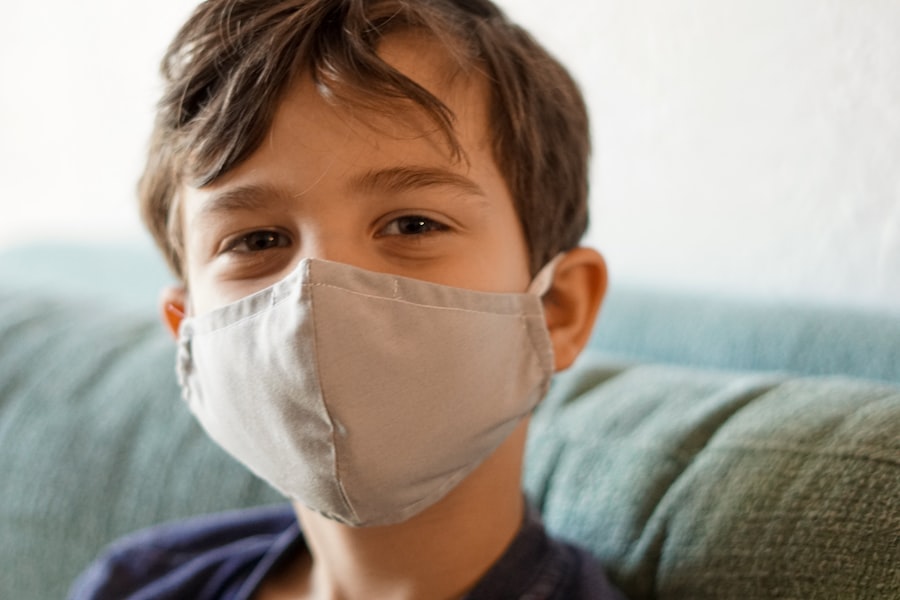
Implementing emergency procedures and first aid protocols is crucial for ensuring a quick and effective response in the event of an accident or injury. This may include having clear protocols for reporting emergencies, as well as providing first aid training for employees. It is important for all individuals in the workplace to understand their role in an emergency situation and know how to respond appropriately.
Regular drills and training on emergency procedures can help ensure that individuals are prepared to respond effectively in the event of an emergency. This may include practicing evacuation procedures, first aid techniques, or using emergency equipment such as fire extinguishers or AEDs. By implementing emergency procedures and first aid protocols, individuals can contribute to a safer work environment and potentially save lives in the event of an emergency.
Regular training and education on safety practices
Regular training and education on safety practices are essential for ensuring that all individuals in the workplace are up to date with the latest guidelines and best practices. This may include providing ongoing training on topics such as hazard recognition, proper tool use, emergency procedures, or first aid protocols. By staying informed about safety practices, individuals can contribute to a culture of safety in the workplace and reduce the risk of accidents and injuries.
It is important for employers to provide regular opportunities for training and education on safety practices, as well as encourage open communication about safety concerns. This may involve providing resources such as safety manuals, posters, or online training modules to help reinforce key safety practices. By prioritizing regular training and education on safety practices, employers can help ensure that all individuals in the workplace are equipped with the knowledge and skills needed to promote a safe work environment for all.
Looking to expand your woodworking skills beyond indoor furniture? Check out Clever Wood Projects’ article on “Outdoor Wood Furniture” for inspiration and tips on creating beautiful and durable pieces for your outdoor space. Whether you’re a beginner or an experienced woodworker, their website offers a wealth of resources, including “Woodworking Projects for Beginners: Six Easy Project Ideas” and “Easy Wood Projects to Do List.” With their guidance, you can enhance your workshop safety while crafting furniture and explore new project ideas. Learn more here.
FAQs
What are the best practices to ensure safety while crafting furniture in your workshop?
Some best practices to ensure safety while crafting furniture in your workshop include wearing appropriate personal protective equipment, keeping the workspace clean and organized, using tools and equipment properly, and following safety guidelines and procedures.
What personal protective equipment should be worn while crafting furniture in a workshop?
Personal protective equipment such as safety goggles, hearing protection, dust masks, and work gloves should be worn to protect against potential hazards such as flying debris, loud noises, airborne particles, and sharp objects.
How can the workspace be kept clean and organized to ensure safety while crafting furniture?
The workspace can be kept clean and organized by regularly sweeping and vacuuming to remove sawdust and debris, storing tools and materials in designated areas, and ensuring that walkways are clear of obstacles to prevent tripping and falling hazards.
What are some tips for using tools and equipment safely while crafting furniture in a workshop?
Some tips for using tools and equipment safely include reading and following the manufacturer’s instructions, inspecting tools for damage before use, using tools for their intended purpose, and keeping blades and cutting edges sharp to prevent kickback and accidents.
Why is it important to follow safety guidelines and procedures while crafting furniture in a workshop?
It is important to follow safety guidelines and procedures to prevent accidents, injuries, and potential hazards in the workshop. By following safety protocols, individuals can protect themselves and others from harm while working with tools and equipment.