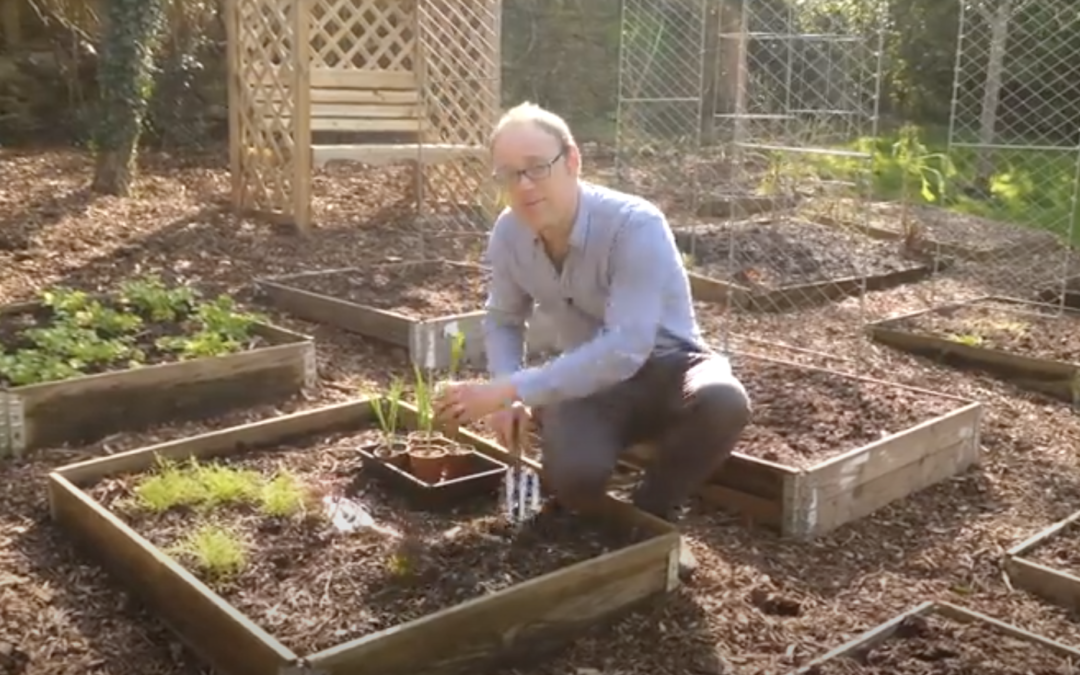
There are many different ways to plan your vegetable garden. It is important to consider where you will be planting your plants, and to think about how you will keep them out of the way of wildlife. Some of these include planting at specific times of the year, and crop rotation. In addition, you should also think about interplanting to create a garden that grows with the seasons.
Planting dates
Having a proper vegetable garden planning tool is vital to the success of any budding gardener. Fortunately, there are many of them to choose from. These tools come in all shapes and sizes. Some are more complicated than others. It is also important to take into account the weather you will experience. In some instances, the optimum weather conditions for growing vegetables might not exist. To that end, you may want to consider a couple of alternative crop rotation options.
Having a good understanding of your local climate can go a long way towards ensuring a successful harvest. There are many factors to consider, including rainfall, temperature, and soil makeup. One of the best ways to do this is to visit websites of specialist nurseries.
Choosing the right location
If you are planning to start a vegetable garden, you need to know how to choose the right location. A good location will ensure that you have a successful harvest. The best locations for a vegetable garden are characterized by loose and fertile soil, which has the proper amount of sunlight.
There are many factors to consider when selecting the perfect spot for your vegetable garden. The sun and water supply are among the most important.
To get the most out of your garden, select a site that receives at least six hours of direct sunlight a day. This is more than enough for most vegetables. In addition, your garden may need extra water in dry spells.
Having a well-draining soil is also essential. Waterlogging can result in root rot and disease.
Interplanting
Interplanting in vegetable gardens is a way to maximize the amount of harvest you can get from your garden space. This technique can also be used in flowerbeds. In addition, interplanting can increase the visual appeal of your flowerbeds.
To get started, you will need to know your crop and its needs. You will need to consider its maturity dates and light requirements. Also, you will need to consider nutrient requirements.
If you are going to grow several different vegetables in your garden, you might want to try mixed intercropping. The concept behind this method is to plant three plants with different maturation dates. These three vegetables have differing nutrient and light requirements.
Using mixed intercropping can be a great way to avoid a standard row arrangement. It can also help you to keep your garden as diverse as possible.
Crop rotation
Crop rotation is an important way of maintaining the health of your vegetable garden. It helps you balance the nutrients in your soil and keep disease and insect problems at a minimum. In addition, it can help you control the spread of diseases and prevent them from reaching areas of your garden that aren’t normally affected.
Crop rotation can be applied to your home garden to improve the nutrition of your plants and increase your yields. You can also keep weeds and nematodes out of your garden with cover crops.
These cover crops add organic matter and help build the soil. They can be planted anywhere in your rotation plan. Another advantage of cover crops is that they suppress weeds and reduce nutrient loss.
Keeping wildlife out of the garden
If you have a vegetable garden, you’re probably aware that animals will often destroy it. But what are some ways to keep wildlife out of the garden?
First, you should find out what types of animals are in your area. Some animals are purely nocturnal, such as raccoons, while others are omnivores. Identifying the critter in question will help you decide how to keep it from ruining your garden.
The best way to keep wild animals from ruining your garden is to protect it with fencing. Fences are not only practical, but they also deter a variety of animals.
There are several types of fences, including wire, chicken-wire, vinyl and bamboo. Each has its pros and cons. You should consider the height of the fence, the materials used, and the species of animal you’re trying to keep out.