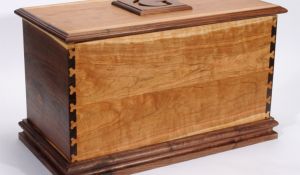
Mortise and tenon joints are a classic woodworking technique that has been used for centuries. This technique involves joining two pieces of wood together by creating a mortise (a hole or slot) in one piece and a tenon (a projection) on the other piece that fits snugly into the mortise. The joint is then secured with glue, screws, or dowels.
The history of Mortise and Tenon Joints can be traced back to ancient Egypt, where they were used in the construction of furniture and buildings. The technique was later adopted by the Greeks and Romans, who used it extensively in their architecture. In medieval Europe, mortise and tenon joints became a staple in the construction of timber-framed buildings.
Key Takeaways
- Mortise and tenon joints are a classic woodworking technique that has been used for centuries.
- Using mortise and tenon joints in your woodworking projects provides added strength and durability.
- Understanding the anatomy of mortise and tenon joints is crucial for creating strong and precise joints.
- There are different types of mortise and tenon joints to choose from depending on the project and desired outcome.
- Proper tools and techniques are necessary for creating perfect mortise and tenon joints every time.
The Advantages of Using Mortise and Tenon Joints in Your Woodworking Projects
One of the main advantages of using mortise and tenon joints is the increased strength and stability they provide. The interlocking nature of the joint creates a strong connection that can withstand heavy loads and stress. This makes mortise and tenon joints ideal for furniture, doors, windows, and other structural elements.
In addition to their strength, mortise and tenon joints are also aesthetically pleasing. The clean lines and flush surfaces created by the joint give a sense of craftsmanship and attention to detail. This makes them a popular choice for high-end furniture and architectural elements.
Another advantage of mortise and tenon joints is their versatility. They can be used in a variety of woodworking projects, from simple picture frames to complex cabinetry. The joint can be scaled up or down depending on the size of the project, making it suitable for both small and large-scale applications.
Understanding the Anatomy of Mortise and Tenon Joints
To understand how mortise and tenon joints work, it is important to understand the different parts of the joint. The mortise is a hole or slot that is created in one piece of wood. The tenon is a projection that is created on the other piece of wood and fits snugly into the mortise.
The mortise is typically created by drilling or chiseling out a rectangular or square-shaped hole in the wood. The size and depth of the mortise will depend on the size and thickness of the tenon. The tenon is usually created by cutting away excess wood from the end of the piece, leaving a projection that matches the size and shape of the mortise.
When the tenon is inserted into the mortise, it creates a strong connection between the two pieces of wood. The joint can be further secured with glue, screws, or dowels for added strength and stability.
Types of Mortise and Tenon Joints: Which One to Choose?
| Type of Joint | Description | Strength | Difficulty | Uses |
|---|---|---|---|---|
| Through Mortise and Tenon | The tenon passes through the mortise and protrudes out the other side | Very strong | Difficult | Heavy-duty construction, such as timber framing |
| Haunched Mortise and Tenon | The tenon has a “shoulder” or “haunch” that adds extra support to the joint | Strong | Moderate | Doors, windows, and other furniture |
| Wedged Mortise and Tenon | A wedge is driven into a slot in the tenon to tighten the joint | Strong | Moderate | Chairs, tables, and other furniture |
| Double Mortise and Tenon | Two mortises are cut into the same piece of wood, and two tenons are used to join it to another piece | Very strong | Difficult | Heavy-duty construction, such as timber framing |
There are several different types of mortise and tenon joints, each with its own advantages and applications. The most common types include through mortise and tenon, blind mortise and tenon, and wedged mortise and tenon.
The through mortise and tenon joint is the simplest type of joint, where the tenon passes completely through the mortise. This type of joint is commonly used in furniture construction, as it provides a strong connection while also allowing for easy assembly and disassembly.
The blind mortise and tenon joint is similar to the through joint, but with one key difference – the tenon does not pass completely through the mortise. Instead, it stops short of the end, creating a hidden joint. This type of joint is often used in cabinetry and other projects where a flush surface is desired.
The wedged mortise and tenon joint is a variation of the through joint, where a wedge is inserted into a slot in the tenon to secure the joint. This type of joint provides added strength and stability, making it ideal for heavy-duty applications such as timber framing.
When choosing which type of mortise and tenon joint to use, it is important to consider the specific requirements of your project. The through joint is the most versatile and easy to construct, making it a good choice for most applications. However, if you require a hidden joint or extra strength, you may want to consider the blind or wedged joint.
Tools and Techniques for Creating Mortise and Tenon Joints
Creating mortise and tenon joints requires a few basic tools and techniques. The necessary tools include a chisel, a mallet or hammer, a drill or mortising machine, and a saw.
To create the mortise, start by marking out the size and location of the mortise on the piece of wood. Use a chisel to remove the excess wood, working carefully and slowly to ensure a clean and precise cut. Test the fit of the tenon in the mortise as you go, making any necessary adjustments.
To create the tenon, mark out the size and location of the tenon on the end of the piece of wood. Use a saw to cut away the excess wood, leaving a projection that matches the size and shape of the mortise. Use a chisel to clean up any rough edges or corners.
Once both the mortise and tenon are complete, test the fit of the joint by inserting the tenon into the mortise. The joint should fit snugly without any gaps or wobbling. If necessary, make any final adjustments to ensure a tight fit.
Tips for Achieving Perfect Mortise and Tenon Joints Every Time

To achieve perfect mortise and tenon joints every time, it is important to follow a few key tips and techniques. First, proper measuring and marking techniques are essential. Use a marking gauge or combination square to ensure accurate and consistent measurements. Mark out the size and location of the mortise and tenon carefully, taking into account any allowances for glue or other fasteners.
When cutting the joint, it is important to work slowly and carefully. Use sharp tools and make small, controlled cuts to ensure a clean and precise joint. Take your time and test the fit of the joint frequently, making any necessary adjustments as you go.
One common mistake to avoid when creating mortise and tenon joints is cutting the mortise too deep or too shallow. The depth of the mortise should be equal to the length of the tenon, ensuring a tight and secure fit. Use a depth gauge or marking gauge to ensure consistent depth throughout the mortise.
How to Reinforce Mortise and Tenon Joints for Added Stability
While mortise and tenon joints are inherently strong, there are several techniques you can use to reinforce them for added stability. One common method is to use glue and clamps to secure the joint. Apply a thin layer of wood glue to both the mortise and tenon, then insert the tenon into the mortise and clamp the joint tightly until the glue dries.
Another method is to use dowels or screws to reinforce the joint. Drill holes through both the mortise and tenon, then insert dowels or screws into the holes. This will provide additional strength and stability to the joint.
When using dowels or screws, it is important to choose the right size and type of fastener for your project. The dowels or screws should be long enough to penetrate both pieces of wood without protruding out the other side. They should also be made from a strong material such as hardwood or metal.
Creative Ways to Incorporate Mortise and Tenon Joints in Your Woodworking Projects
Mortise and tenon joints can be used in a variety of creative ways to add visual interest and complexity to your woodworking projects. One way to do this is by using contrasting wood species for the mortise and tenon. For example, you could use a dark walnut for the mortise and a light maple for the tenon, creating a striking contrast.
Another way to incorporate mortise and tenon joints creatively is by using different shapes and sizes for the joint. Instead of the traditional rectangular or square-shaped mortise and tenon, you could experiment with curved or angled joints. This can add a unique and artistic touch to your projects.
You can also use mortise and tenon joints in combination with other joinery techniques, such as dovetails or finger joints. This can create a visually interesting and complex joint that showcases your woodworking skills.
Troubleshooting Common Issues with Mortise and Tenon Joints
While mortise and tenon joints are generally strong and reliable, there are some common issues that can arise during the construction process. One common issue is gaps or wobbling in the joint. This can be caused by inaccurate measuring or cutting techniques. To fix this issue, carefully measure and mark out the joint again, making any necessary adjustments. Use a chisel or sandpaper to remove any excess wood that may be causing the gap or wobble.
Another common issue is loose or weak joints. This can be caused by insufficient glue or improper clamping techniques. To fix this issue, apply a generous amount of wood glue to both the mortise and tenon, then clamp the joint tightly until the glue dries. If necessary, use additional clamps or weights to ensure a tight fit.
To avoid these issues in the future, it is important to practice proper measuring, marking, and cutting techniques. Take your time and work carefully to ensure accurate and precise joints.
The Timeless Beauty and Strength of Mortise and Tenon Joints
In conclusion, mortise and tenon joints are a classic woodworking technique that offers both beauty and strength. The interlocking nature of the joint provides increased stability and durability, making it ideal for a wide range of woodworking projects. By understanding the anatomy of the joint and following proper techniques, you can achieve perfect mortise and tenon joints every time. Whether you are a beginner or an experienced woodworker, incorporating mortise and tenon joints into your projects will add a touch of craftsmanship and elegance. So why not give this timeless technique a try in your next woodworking project?
If you’re interested in exploring more woodworking projects, check out this article on “Easy Woodworking Projects: From Beginner to Pro” from Clever Wood Projects. It provides a comprehensive guide for woodworkers of all skill levels, offering step-by-step instructions and tips to create beautiful pieces. Additionally, if you’re curious about the main purpose of a CNC router shop and how it can enhance your woodworking experience, this article on “What is the Main Purpose of a CNC Router Shop?” is worth a read. Lastly, if you’re looking for a detailed guide on building a closet organizer, Clever Wood Projects has you covered with their article on “Woodworking Projects Plans: A Step-by-Step Guide to Building a Closet Organizer.”
FAQs
What are mortise and tenon joints?
Mortise and tenon joints are a type of woodworking joint where a projecting tenon on one piece of wood fits into a corresponding hole or mortise on another piece of wood.
What are the benefits of using mortise and tenon joints?
Mortise and tenon joints provide a strong and durable connection between two pieces of wood. They are also aesthetically pleasing and can add a decorative element to furniture or other woodworking projects.
What types of woodworking projects are mortise and tenon joints commonly used in?
Mortise and tenon joints are commonly used in furniture making, cabinetry, and other woodworking projects where a strong and durable joint is required.
What tools are needed to create mortise and tenon joints?
Creating mortise and tenon joints requires a few specialized tools, including a mortising machine or chisel for creating the mortise, and a tenon saw or table saw for cutting the tenon.
Are there any disadvantages to using mortise and tenon joints?
One potential disadvantage of using mortise and tenon joints is that they can be time-consuming and require a certain level of skill to create. Additionally, they may not be suitable for certain types of woodworking projects where a more flexible joint is required.