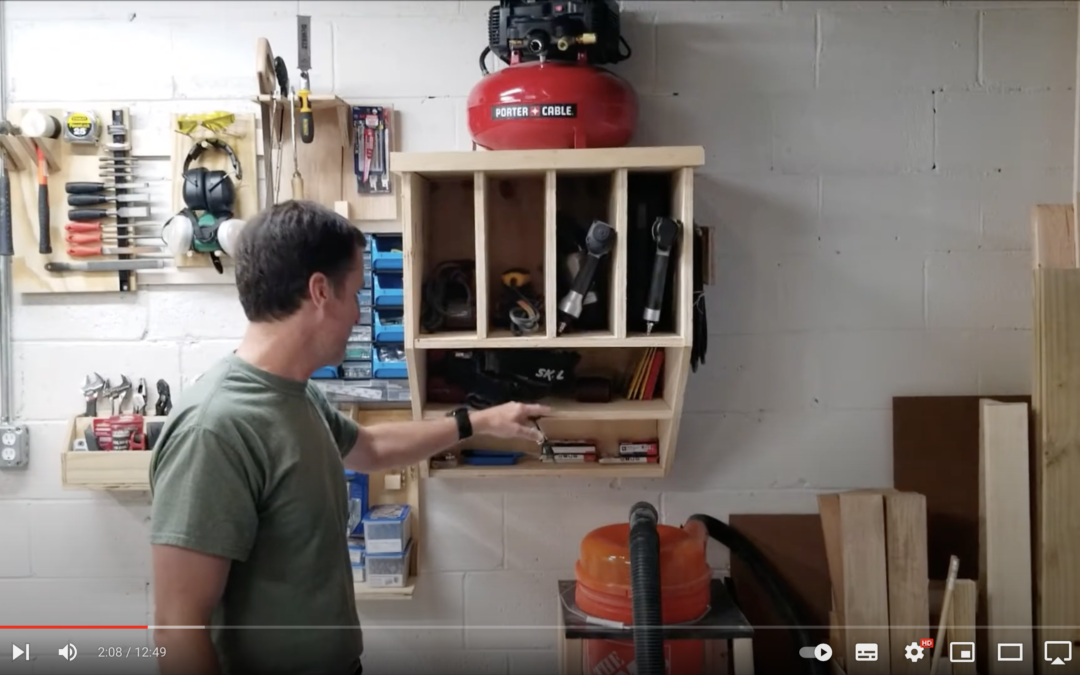
Transforming your basement into a woodworking haven might seem like a Herculean task, but with the right plan, tools, and techniques, it’s a gratifying journey to undertake. Whether you’re a seasoned wood whisperer, a DIY enthusiast, or someone with a burgeoning interest in fine woodworking, establishing a basement woodworking shop can lead to a fulfilling experience and an array of beautiful wood projects. Let’s delve into the essentials of creating the perfect woodworking workshop in the comfort of your home.
Understanding Your Space and Shop Layout
When considering a basement workshop, the first step is to evaluate the floor space available. It’s essential to design a shop layout that maximizes your area while leaving enough room for fresh air and movement. Here are a few quick tips to keep in mind:
- Sketch a rough layout of your basement, marking out the positions for heavy machines like the table saw, bandsaw, and drill press. Remember to allocate storage space for lumber, plywood, and sheet goods.
- Use vertical space wisely. Shelving and wall-mounted racks can hold tools and materials, thus freeing up valuable floor space.
- For smaller workshops, consider tools with a mobile base, ensuring that they can be moved aside when not in use.
Dust Collection: A Must for Health and Cleanliness
One of the major challenges in a basement shop is managing sawdust and fine dust. A proper dust collector and dust control measures are not just about tidiness; they are crucial for your health. Airborne dust can be hazardous, and in a confined space like a basement, it’s even more important to keep it under control.
- Opt for a centralized dust collection system that hooks up to all your power tools.
- Use a shop vac for dust collection when working with hand tools or cleaning up after a project.
- Ensure there are adequate dust control measures like air filtration systems to clear the airborne dust.

The Right Tools for the Job
For any woodworking shop, whether it’s in a garage or a basement, having the right tools is paramount. Here’s a list of essential tools you’ll need:
Power Tools:
- Table Saw: The backbone of any woodworking shop, great for rip-cuts, cross-cuts, and more.
- Bandsaw: Ideal for making curved cuts and resawing lumber.
- Drill Press: For precise, perpendicular holes every time.
Hand Tools:
- Chisels: For detailing work and cleaning up joints.
- Hand Saws: Sometimes you need the finesse of a hands-on approach.
- Planes: For smoothing and shaping wood.
Workbenches and Storage:
- Workbench: A sturdy workbench is a must. To learn about different types and what might suit your style, check out What Type of Workbench Paul Sellers Advocate For.
- Storage Solutions: Keep your tools accessible and organized. Consider building or buying a tool chest.
Safety and Customer Service
Never compromise on safety. Make sure your basement workshop is well-lit and equipped with safety gear like goggles, ear protection, and a first aid kit. If you have any questions or need advice, remember customer service from tool manufacturers or retailers can be a valuable resource.
Engaging With the Woodworking Community
Even when working alone in your basement shop, you’re not alone. The woodworking community is an expansive network, from taunton workshops to forums and woodworking blogs like CleverWoodProjects. Sharing shop tips, attending workshops, and reading recent posts can provide valuable insights.
- Log In: Create an account on woodworking forums to ask questions, share experiences, and stay updated with the current issue of fine homebuilding.

Learn, Create, and Share
The learning never stops in woodworking. Whether it’s mastering joinery or exploring new woodworking patterns, every project enhances your skills.
- DIY Woodworking Furniture Projects: Looking for ideas? Browse through Woodworking Furniture Projects for inspiration.
- Crafting Quality Woodwork: It’s more than just putting pieces together. It’s about precision and design. Learn more at Crafting Quality Woodwork.
Wrapping Up and Moving Forward
Set your sights on the fresh air of success and let the chips fall where they may. Remember, your basement woodworking shop is a personal retreat, a place where creativity meets the grain of wood to create something extraordinary. Keep abreast of past issues of woodshop journals, and always look forward to the next project.
If you ever feel stuck or in need of guidance, dip into the digital library or watch a tutorial from the wood whisperer. And should you need to replenish your materials or upgrade your tools, remember to check the customer support and services of your suppliers, as they often have invaluable shop tips and advice to offer.
In the world of woodworking, the journey is just as rewarding as the destination. So grab your tools, don your apron, and get ready to make some sawdust. Your basement woodworking shop awaits, ready to turn your wood projects dreams into finely crafted reality.