A Paul Sellers workbench is an essential part of any woodworker’s toolkit. The versatility of the design means that it can be used for a wide variety of projects, and you can even customize it to suit your own requirements. In this article, we’ll take a look at how to make a modified version of the original workbench. We’ll discuss the wood and timber required, as well as the legs, aprons and other details.
Wide aprons
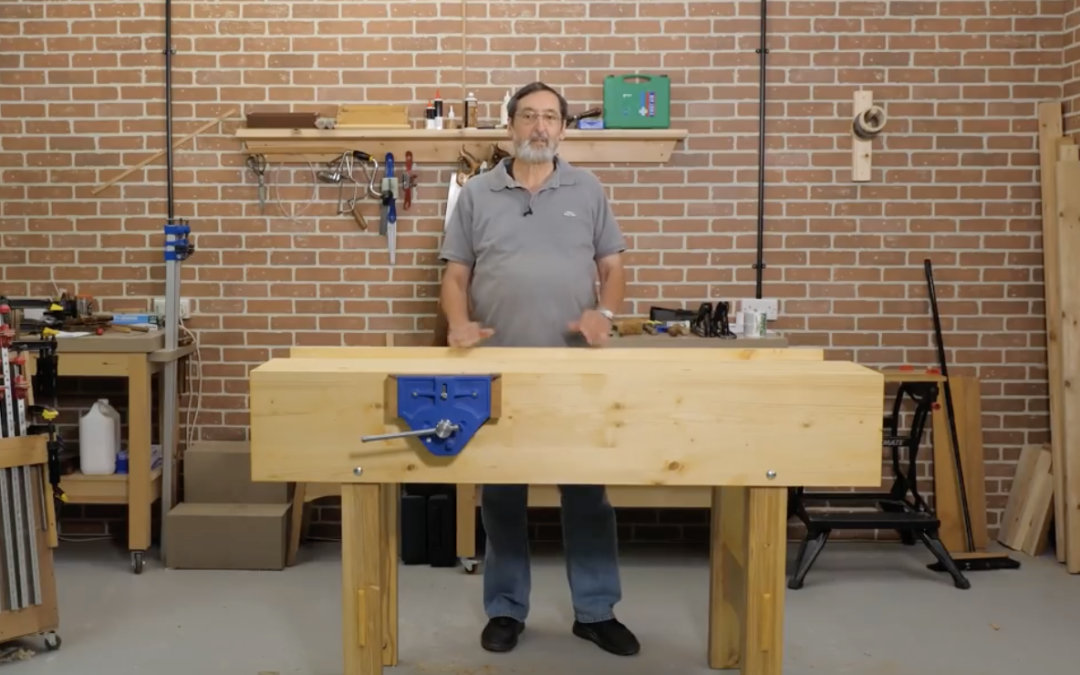
A wide apron makes a bench look more solid, but can also be an expense and an exercise in patience. In this short video Paul shows how to build one. This is not a comprehensive tutorial, but it will give you a good sense of how a workbench is put together and what materials are used in the process.
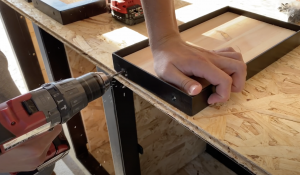
The most basic components of the machine are the leg frames and the top. They are secured together with lag screws, a phillips-head hex bit, and a few wedges for good measure. As the legs grow and shrink, the wedges eke out, but the overall assembly remains sturdy. Once assembled, it will prove a useful tool for the budding woodworker.
One of the most satisfying aspects of the entire process is the way it works out. It can be disassembled, reassembled, and reused. There is a lot of thought and consideration that goes into creating a sturdy and functional work bench.
Wood/timber for the workbench
If you are planning to build a Paul Sellers workbench, you will need wood/timber to make it. There are many options to choose from. You can use hardwood, softwood, or chipboard for your workbench.
Wood/timber for the Paul Sellers workbench is mainly a matter of personal preference. For example, Douglas fir is lightweight, ideal for workbench surfaces, and is available anywhere in the world. Typically, it is sold in pressure treated form. It can also be purchased at Home Depot or Bunnings, but it can be costly.
Softwood, such as pine, is usually easier to work with, and can be treated with stain or epoxy to make it stronger. Unlike hardwood, it does not require sealing, which makes it resistant to moisture and rot. However, it is a softwood, so it is not as strong as a hardwood workbench.
Maplewood is an excellent choice, as it is strong and is a good looker. It is also easy to stain. This is because the grain is packed tightly, which allows the wood to absorb shock and keep the structure rigid.
Making a modified Paul Sellers workbench
If you’re interested in making a modified Paul Sellers workbench, there are a few things you should consider. First, you’ll need to compare the cost and skill of using hand tools versus using power tools. You’ll also want to look at how well your bandsaw and mortise chopping skills will benefit you. Also, you’ll want to think about whether you’re planning on using plywood or solid wood.
Paul’s original workbench design has excellent stability and utility. It is designed to be built from plywood and includes ingenious joinery. The thick laminated top is secured to an apron that contains a simple tool well. This design is ideal for machinists who need to build a bench quickly.
Another good thing about the Paul Sellers workbench is that it uses only six pieces of wood. Two of the pieces are mortise and tenon leg frames. The remaining four pieces are 2×3’s that are laminated together.