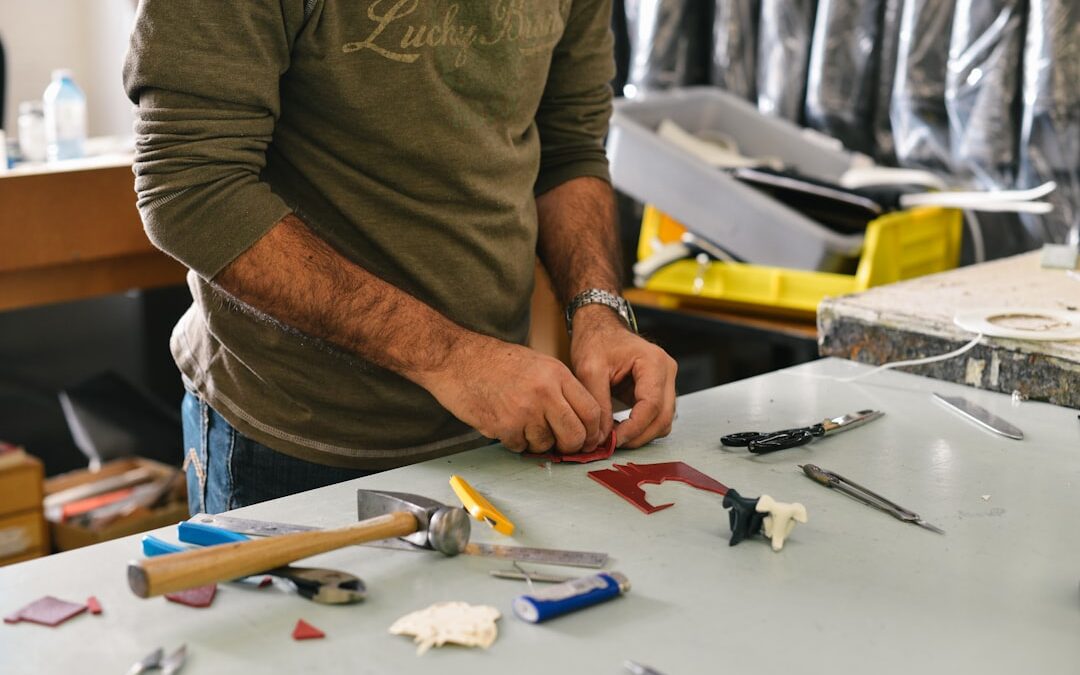
Sustainable fine woodworking is an approach that blends environmental responsibility with the artistry & craftsmanship of woodworking. In order to produce stunning and useful pieces with the least amount of detrimental effects on the environment, eco-friendly materials, methods, and finishes are used. Sustainable woodworking practices are more crucial than ever in a world where natural resources are growing more scarce. The environmental effects of traditional woodworking methods are frequently quite detrimental.
Key Takeaways
- Sustainable fine woodworking prioritizes eco-friendly practices
- Sustainable wood sourcing involves understanding the impact of logging and deforestation
- Choosing sustainable lumber involves considering factors such as certification and transportation
- Eco-friendly woodworking techniques include reducing waste and using renewable energy sources
- Finishing with non-toxic and natural products is important for both the environment and human health
Harmful practices that have been common in the industry include clear-cutting forests, using toxic chemicals in finishes, and producing excessive waste. These actions lead to soil erosion, water pollution, deforestation, and the emission of dangerous greenhouse gases. However, there are many advantages to using eco-friendly woodworking techniques. Woodworkers can lessen their carbon footprint, conserve biodiversity, & maintain forests by employing sustainable materials and methods.
Also, because they minimize waste and exposure to hazardous chemicals, eco-friendly practices can result in healthier work environments. Sustainable wood sourcing is the practice of obtaining wood for woodworking projects in an ethical & responsible manner. Making sure the wood originates from sustainably managed forests or other sources is necessary. Because it minimizes deforestation, preserves wildlife habitats, and aids local communities whose livelihoods depend on forests, ethical wood procurement is essential. Promoter of sustainable wood sourcing is the Forest Stewardship Council (FSC) and the Programme for the Endorsement of Forest Certification (PEFC), two major certification programs.
These initiatives offer independent third-party confirmation that the wood used in a project originates from forests that are sustainably managed. Woodworkers can be sure they are selecting sustainable wood by selecting wood that has been certified by these programs. Selecting the proper materials is crucial for sustainable woodworking. Thankfully, a variety of sustainably harvested lumber options are accessible. Reclaimed wood, salvaged wood, & FSC-certified wood are a few examples. Reclaimed wood is wood that has been taken out of barns, old buildings, or other buildings.
| Metrics | Values |
|---|---|
| Number of sustainable wood sources used | 10 |
| Percentage of waste materials recycled | 85% |
| Number of eco-friendly finishes used | 5 |
| Percentage of products made with reclaimed wood | 30% |
| Number of certifications for sustainable practices | 3 |
Woodworkers can repurpose materials that would otherwise go to waste by using reclaimed wood. Wood that has been saved from trees that have fallen naturally or that have been taken down for purposes other than logging is known as salvaged wood. Wood that has earned the FSC certification comes from forests that are responsibly managed in terms of both the environment and society.
With this certification, you can be sure that the wood comes from responsibly managed forests, that wildlife habitats are preserved, & that local communities’ and indigenous peoples’ rights are upheld. It’s crucial to take availability, affordability, & durability into account when selecting sustainable lumber. Investigating and confirming the supplier’s or manufacturer’s sustainability claims is also essential.
Online retailers, specialty suppliers, & nearby lumberyards offer a wide selection of sustainable lumber options. Eco-friendly woodworking places a strong emphasis on minimizing waste and energy use. Woodworkers can cut down on waste production and energy usage by using specific techniques. Thorough material planning is one method of cutting waste. Woodworkers can optimize material use and minimize waste by precisely measuring & planning the project.
Also, decrease waste and enhance the piece’s overall strength and durability by employing joinery techniques that call for fewer fasteners. Reusing and recycling materials is another way to cut waste. Wood waste can be recycled into mulch for gardens, used for smaller projects, or even made into kindling. Sawdust can also be gathered and utilized as a natural absorbent or for composting.
Woodworkers have the opportunity to implement energy-efficient practices. This can involve lighting the workshop with energy-efficient fixtures, insulating the workspace adequately to lower the need for heating & cooling, and, whenever feasible, utilizing hand tools rather than power tools. Using environmentally friendly woodworking methods has many advantages. Woodworkers can support a more sustainable future & save money on materials by minimizing waste.
Woodworkers can also help fight climate change by lowering their energy usage and leaving a smaller carbon footprint. Commonly used in woodworking, traditional finishing products contain hazardous chemicals that can be bad for the environment and human health. These substances put end users’ and woodworkers’ health at risk by releasing volatile organic compounds (VOCs) into the atmosphere & causing air pollution.
Thankfully, natural and non-toxic finishing solutions are readily available to produce stunning results without causing any harm. Natural oils, like tung or linseed oil, can be applied to wood to protect it while enhancing its inherent beauty. Carnauba and beeswax are also well-liked options for applying a glossy, long-lasting finish. Another green choice is water-based finishes.
Both the environment and woodworkers are safer using these finishes because they contain less volatile organic compounds (VOCs) than solvent-based finishes. A range of formulations, such as varnishes, lacquers, & stains, are available for water-based finishes. Beyond the obvious health and environmental advantages, using natural and non-toxic finishing products has other advantages.
These finishes can highlight the wood’s inherent qualities, smell good, and be simple to apply and maintain. fine woodworking that is sustainable benefits the environment in a number of ways. Woodworkers contribute to the preservation of forests and biodiversity by using sustainable materials.
In addition to safeguarding the habitats of numerous plant and animal species, responsible wood sourcing guarantees that forests are managed in a way that maintains their productivity and health. Also, sustainable woodworking methods minimize waste production & the environmental release of hazardous chemicals. Woodworkers can contribute to preventing air, water, and soil pollution by using environmentally friendly methods and finishes. Consequently, this enhances the general health & welfare of communities & ecosystems. Reclaimed wood furniture, repurposed materials used to make wooden toys, and wood used for architectural elements that have received FSC certification are a few examples of sustainable fine woodworking projects.
These projects demonstrate the beauty and artistry of woodworking while also highlighting the significance of sustainable practices. Fine woodworking items are among the many sustainable products that are becoming more and more popular in the market. A growing number of consumers are actively looking for products that reflect their values and are aware of how their purchases affect the environment. Industry trends toward more environmentally friendly practices are a result of the growing demand for sustainable products. Companies that deal with woodworking are realizing how crucial it is to integrate sustainable practices into their operations in order to satisfy customers & maintain their competitiveness.
Using non-toxic finishes, adopting energy-efficient procedures, and obtaining sustainable materials are all examples of this. Encouraging environmentally conscious woodworking companies is essential to the sector’s sustained expansion and advancement. Customers can promote positive change & encourage more businesses to adopt eco-friendly practices by making the decision to purchase from companies that prioritize sustainability.
Promoting sustainable fine woodworking practices is largely dependent on advocacy and education. Woodworkers have the power to inspire change and persuade others to adopt environmentally friendly practices by teaching others about the value of sustainability in their craft. Learning about sustainable woodworking practices can be facilitated by woodworking workshops, schools, and online resources. These resources offer details on eco-friendly materials, methods, and finishes along with helpful advice on how to put these ideas into practice in the workshop.
There are several ways to advocate for environmentally friendly woodworking methods. This can involve giving advice and sharing experiences with others, taking part in workshops and community events, & funding groups that support environmentally friendly methods in the woodworking sector. Woodworkers can contribute to the development of a more ecologically aware and responsible woodworking community by promoting sustainability. To sum up, fine woodworking that is sustainable integrates environmental responsibility with the artistry & craftsmanship of woodworking.
Woodworkers can minimize their negative environmental impact while producing beautiful and functional pieces by using eco-friendly materials, techniques, & finishes. It is impossible to exaggerate the significance of environmentally friendly woodworking methods. Conventional woodworking methods frequently have a detrimental effect on the environment, causing pollution, deforestation, and climate change. On the other hand, there are many advantages to sustainable practices, such as lower carbon emissions, biodiversity preservation, & forest preservation.
Making eco-friendly material selections, cutting energy & waste, applying non-toxic finishes, and assisting environmentally conscious woodworking companies are all critical first steps toward a more sustainable future. We can make the world a better place for present and future generations by adopting eco-friendly practices in fine woodworking.
If you’re interested in sustainable practices in fine woodworking, you might want to check out this article on Clever Wood Projects titled “Woodworking Plans for Furniture: Building Your Way to Glory.” This informative piece provides valuable insights into how you can incorporate sustainable practices into your woodworking projects, ensuring that you create beautiful furniture while minimizing your environmental impact. To learn more, click here.
FAQs
What is sustainable woodworking?
Sustainable woodworking is the practice of using environmentally friendly materials and techniques to create furniture and other wood products. It involves using renewable resources, reducing waste, and minimizing the impact on the environment.
What are some sustainable materials used in woodworking?
Some sustainable materials used in woodworking include bamboo, reclaimed wood, FSC-certified wood, and salvaged wood. These materials are renewable, have a lower environmental impact, and reduce waste.
What are some sustainable techniques used in woodworking?
Some sustainable techniques used in woodworking include using hand tools instead of power tools, using non-toxic finishes, and reducing waste by using scrap wood for other projects. These techniques help reduce the environmental impact of woodworking.
Why is sustainable woodworking important?
Sustainable woodworking is important because it helps reduce the impact on the environment and promotes the use of renewable resources. It also helps reduce waste and promotes responsible use of natural resources.
What are some benefits of sustainable woodworking?
Some benefits of sustainable woodworking include reducing the impact on the environment, promoting the use of renewable resources, and reducing waste. It also promotes responsible use of natural resources and can lead to a healthier and more sustainable future.