Outdoor woodworking is a popular and rewarding hobby that allows individuals to create beautiful and functional pieces for their outdoor spaces. Whether it’s a garden bench, a patio table, or a planter box, outdoor woodworking projects can add charm and character to any outdoor area. In addition to the aesthetic benefits, outdoor woodworking also provides an opportunity to work with natural materials and connect with nature.
However, when it comes to outdoor woodworking, it’s important to use proper techniques and materials to ensure the longevity and durability of the finished project. Outdoor wood is exposed to harsh elements such as rain, sun, and temperature fluctuations, which can cause it to warp, rot, or deteriorate over time. By using the right techniques and materials, you can protect your outdoor wood projects and ensure that they stand the test of time.
Key Takeaways
- Outdoor woodworking requires specific techniques to ensure durability and longevity of projects.
- Choosing the right type of wood is crucial for outdoor projects to withstand weather and environmental factors.
- Understanding wood grain and direction is important for proper cutting and shaping techniques.
- Treating and protecting wood from the elements is essential for maintaining the quality of outdoor projects.
- Jointing and joinery techniques, as well as fastening and attachment methods, are important for the structural integrity of outdoor woodworking projects.
Choosing the Right Wood for Outdoor Projects
One of the most important factors to consider when embarking on an outdoor woodworking project is choosing the right type of wood. Not all wood is suitable for outdoor use, as some species are more resistant to moisture, insects, and decay than others. The two main types of wood used for outdoor projects are hardwoods and softwoods.
Hardwoods such as teak, cedar, and redwood are highly durable and naturally resistant to rot and decay. They also have a beautiful grain pattern that adds visual appeal to outdoor projects. Softwoods such as pine and fir are less expensive than hardwoods but require more maintenance and protection from the elements.
When selecting wood for outdoor projects, it’s important to consider factors such as the project’s location, exposure to moisture, and desired aesthetic. For example, if your project will be exposed to direct sunlight or heavy rain, you may want to choose a wood species that is naturally resistant to UV rays and moisture.
Understanding Wood Grain and Direction
Wood grain refers to the pattern or texture of the wood fibers that run parallel to the length of the board. Understanding wood grain is crucial in outdoor woodworking, as it can affect the strength, stability, and appearance of the finished project.
There are three main types of wood grain: straight grain, spiral grain, and interlocked grain. Straight grain is the most common and desirable type of grain, as it provides strength and stability to the wood. Spiral grain occurs when the fibers twist around the trunk of the tree, which can make the wood weaker and more prone to splitting. Interlocked grain is a combination of straight and spiral grain, which can make the wood difficult to work with.
When working with outdoor wood, it’s important to pay attention to the direction of the grain. For example, when cutting or planing a board, it’s best to work with the grain rather than against it to prevent tear-out and splintering. Additionally, when joining two pieces of wood together, it’s important to align the grain for maximum strength and stability.
How to Treat and Protect Wood from the Elements
One of the biggest challenges in outdoor woodworking is protecting wood from moisture and UV rays. Moisture can cause wood to swell, warp, or rot, while UV rays can cause wood to fade and deteriorate over time. To ensure the longevity and durability of outdoor wood projects, it’s important to treat and seal the wood properly.
There are several techniques for treating and sealing outdoor wood. One common method is applying a waterproofing sealer or stain that penetrates into the wood fibers and creates a protective barrier against moisture. Another method is applying a clear or tinted finish that provides UV protection and enhances the natural beauty of the wood.
In addition to treating and sealing the wood, it’s also important to regularly maintain and inspect outdoor wood projects. This includes cleaning off dirt and debris, reapplying sealant or finish as needed, and checking for any signs of damage or wear.
Jointing and Joinery Techniques for Outdoor Woodworking
Jointing and joinery techniques are essential in outdoor woodworking, as they provide strength and stability to the finished project. There are several types of joints commonly used in outdoor woodworking, including butt joints, lap joints, mortise and tenon joints, and dovetail joints.
Butt joints are the simplest type of joint, where two pieces of wood are joined together at a right angle. They can be reinforced with screws, nails, or dowels for added strength. Lap joints are similar to butt joints but have one piece of wood overlapping the other. They can be reinforced with glue or fasteners.
Mortise and tenon joints are a traditional method of joinery that involves cutting a rectangular hole (mortise) in one piece of wood and a corresponding projection (tenon) on another piece of wood. This type of joint provides a strong and durable connection and is often used in outdoor furniture construction.
Dovetail joints are another type of joinery that involves interlocking wedge-shaped projections on two pieces of wood. This type of joint is known for its strength and resistance to pulling apart.
Fastening and Attachment Methods for Outdoor Woodworking
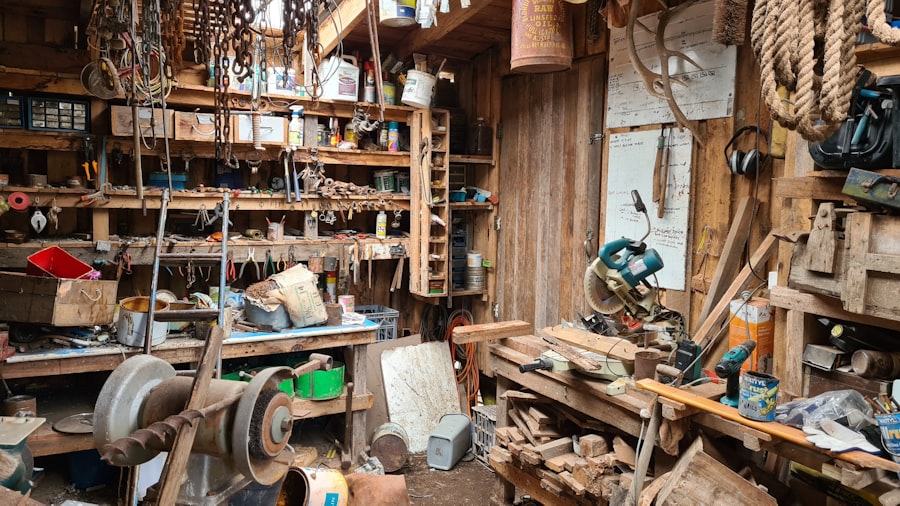
In addition to joinery techniques, fastening and attachment methods are also important in outdoor woodworking. There are several types of hardware and tools commonly used for fastening outdoor wood projects, including screws, nails, bolts, and brackets.
Screws are one of the most common fasteners used in outdoor woodworking due to their strength and versatility. They come in various sizes and types, including wood screws, deck screws, and structural screws. Nails are another common fastener that is quick and easy to use but may not provide as much strength as screws.
Bolts are used for heavy-duty applications where maximum strength is required. They come in various sizes and types, including carriage bolts, lag bolts, and hex bolts. Brackets are metal or plastic devices that are used to reinforce joints or connect two pieces of wood together. They come in various shapes and sizes, including L-shaped brackets, T-shaped brackets, and corner brackets.
When choosing fasteners for outdoor woodworking projects, it’s important to consider factors such as the type of wood, the weight of the project, and the desired strength and durability.
Carving and Shaping Techniques for Outdoor Woodworking
Carving and shaping techniques can add a unique and artistic touch to outdoor woodworking projects. There are several tools and techniques commonly used for carving and shaping outdoor wood, including chisels, gouges, rasps, and sandpaper.
Chisels are sharp-edged tools that are used to remove wood and create precise cuts and shapes. Gouges are similar to chisels but have a curved cutting edge that is used for carving concave shapes. Rasps are rough files that are used to shape wood quickly and remove large amounts of material. Sandpaper is used to smooth out rough surfaces and create a polished finish.
When carving or shaping outdoor wood, it’s important to work slowly and carefully to avoid removing too much material or damaging the wood. It’s also important to wear protective gear such as goggles and gloves to prevent injury.
Finishing and Sealing Techniques for Outdoor Woodworking
Finishing and sealing techniques are the final step in outdoor woodworking projects and can greatly enhance the appearance and durability of the finished piece. There are several types of finishes and sealants commonly used in outdoor woodworking, including oils, varnishes, paints, and stains.
Oils such as teak oil or linseed oil penetrate into the wood fibers and provide a natural finish that enhances the beauty of the wood. They also provide some protection against moisture but may need to be reapplied regularly. Varnishes are clear or tinted coatings that provide a durable and glossy finish. They provide excellent protection against moisture and UV rays but may require more maintenance.
Paints are opaque coatings that provide a solid color and can completely cover the wood grain. They provide excellent protection against moisture and UV rays but may require more maintenance. Stains are semi-transparent or transparent coatings that enhance the natural beauty of the wood while providing some protection against moisture and UV rays.
When applying finishes and sealants to outdoor wood projects, it’s important to follow the manufacturer’s instructions and apply multiple coats for maximum protection. It’s also important to regularly maintain and reapply the finish as needed.
Tips for Working with Large and Heavy Outdoor Wood Projects
Working with large and heavy outdoor wood projects can present unique challenges, such as handling and maneuvering large pieces of wood. Here are some tips to help you tackle these challenges:
1. Plan ahead: Before starting your project, make sure you have a clear plan in place for how you will handle and maneuver large pieces of wood. This may involve enlisting the help of a friend or using specialized equipment such as a dolly or a crane.
2. Break it down: If possible, break down large pieces of wood into smaller, more manageable sections. This will make it easier to transport and work with the wood.
3. Use proper lifting techniques: When lifting heavy pieces of wood, use your legs instead of your back to avoid injury. Bend at the knees and keep your back straight as you lift.
4. Use clamps or jigs: Clamps or jigs can help hold large pieces of wood in place while you work on them. This will make it easier to cut, shape, or join the wood without it moving or shifting.
5. Take breaks: Working with large and heavy pieces of wood can be physically demanding, so make sure to take regular breaks to rest and recharge.
Examples of Outdoor Woodworking Projects and Their Techniques
There are countless outdoor woodworking projects that you can tackle, depending on your skill level and interests. Here are a few examples of outdoor woodworking projects and the techniques used to create them:
1. Garden bench: A garden bench is a classic outdoor woodworking project that can be built using basic joinery techniques such as butt joints and screws. The wood can be treated and sealed with a waterproofing sealer or stain to protect it from the elements.
2. Patio table: A patio table is a more advanced outdoor woodworking project that may require more complex joinery techniques such as mortise and tenon joints. The wood can be treated and sealed with a clear or tinted finish to enhance its natural beauty.
3. Planter box: A planter box is a simple outdoor woodworking project that can be built using basic joinery techniques such as butt joints and nails. The wood can be treated and sealed with a waterproofing sealer or stain to protect it from moisture.
Outdoor woodworking is a rewarding hobby that allows individuals to create beautiful and functional pieces for their outdoor spaces. By using proper techniques and materials, you can ensure the longevity and durability of your outdoor wood projects. Whether you’re building a garden bench, a patio table, or a planter box, outdoor woodworking provides an opportunity to connect with nature and create something beautiful for your outdoor space. So why not give it a try? With the right tools, materials, and techniques, you can create something truly special that will bring joy for years to come.
If you’re interested in specialized woodworking techniques for outdoor projects, you’ll definitely want to check out this article on Clever Wood Projects. It provides valuable insights and tips on how to get started with popular woodworking fun. Whether you’re a beginner or an experienced woodworker, this article offers practical advice and step-by-step instructions to help you create stunning outdoor pieces. From measuring and planning your woodworking projects to creating your own storage shed, Clever Wood Projects has got you covered. Don’t miss out on this informative resource! Click here to read the full article.
FAQs
What are specialized woodworking techniques?
Specialized woodworking techniques are specific methods used in woodworking to achieve certain results. These techniques require specialized tools and skills that are not commonly used in general woodworking.
What are some specialized woodworking techniques used for outdoor projects?
Some specialized woodworking techniques used for outdoor projects include wood bending, joinery, and wood carving. These techniques are particularly useful for creating outdoor furniture, decks, and other outdoor structures.
What is wood bending?
Wood bending is a specialized woodworking technique that involves heating wood to make it pliable and then bending it into a desired shape. This technique is commonly used in outdoor furniture and other outdoor structures.
What is joinery?
Joinery is a specialized woodworking technique that involves joining two or more pieces of wood together without the use of nails or screws. This technique is commonly used in outdoor furniture and other outdoor structures to create strong and durable joints.
What is wood carving?
Wood carving is a specialized woodworking technique that involves carving designs or patterns into wood using specialized tools. This technique is commonly used in outdoor furniture and other outdoor structures to add decorative elements.
Why are specialized woodworking techniques important for outdoor projects?
Specialized woodworking techniques are important for outdoor projects because they allow for the creation of strong and durable structures that can withstand the elements. These techniques also allow for the creation of unique and decorative designs that can enhance the overall aesthetic of outdoor spaces.