
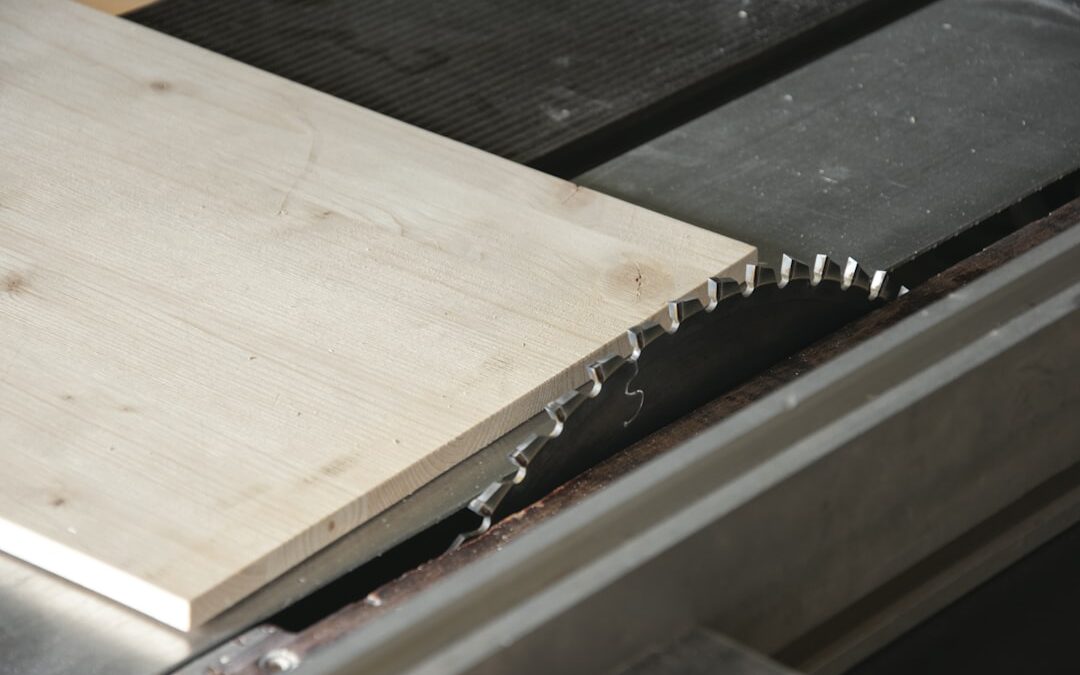
The craft of fine woodworking entails using wood to create objects that are both aesthetically pleasing and useful. Because of its enduring appeal, this skill has been practiced for centuries and is still valued today. Numerous practical and aesthetic advantages come with fine woodworking. The craft of fine woodworking will be discussed in this article along with how it can improve the interior design of your house. Selecting the appropriate wood is a crucial decision you will face when starting any woodworking project.
Key Takeaways
- Fine woodworking involves creating high-quality, functional pieces of furniture and decor using traditional techniques and high-quality materials.
- Choosing the right wood is crucial to the success of any woodworking project, as different woods have different properties and characteristics that affect their appearance, durability, and workability.
- Understanding woodworking techniques such as joinery, carving, and finishing is essential for creating beautiful and functional pieces of furniture and decor.
- Custom furniture design allows you to create unique pieces that reflect your personal style and meet your specific needs and preferences.
- Adding wood accents to your home decor can add warmth, texture, and natural beauty to any room in your home.
Your choice of wood will have a big influence on how your project turns out in the end. Wood’s durability, aesthetic appeal, and workability are just a few things to take into account. Certain wood varieties are better suited for particular projects due to their unique qualities. For instance, hardwoods with strong and long-lasting qualities, like walnut & oak, are perfect for furniture and cabinetry.
Conversely, softwoods, such as pine and cedar, are more widely used for outdoor projects and decorative items because they are lighter & simpler to work with. Familiarity with the fundamental tools and techniques is necessary to become proficient in fine woodworking. Cutting and shaping, joining & fastening, finishing, and measuring & marking are a few of the basic woodworking techniques.
Accurate measurement & marking are essential to ensure well-finished products & precise cuts. For this task, a combination square, marking gauge, and tape measure are necessary instruments. A range of tools, including hand saws, chisels, and planes, can be used to cut and shape wood.
| Category | Metric |
|---|---|
| Woodworking | Number of woodworking projects completed |
| Home Decor | Number of home decor items created |
| Customer Satisfaction | Percentage of customers satisfied with the quality of work |
| Revenue | Total revenue generated from woodworking and home decor projects |
| Marketing | Number of social media followers and engagement rates |
Utilizing screws, nails, dowels, and joinery techniques like dovetails & mortise and tenon joints are examples of joining and fastening techniques. Lastly, to bring out the natural beauty & durability of the wood, finishing techniques include sanding, staining, and applying a protective finish. Starting with easy projects & progressively increasing abilities and confidence is advised for novices.
To acquire the fundamentals and useful knowledge, enrolling in a woodworking class or viewing online tutorials can be beneficial. Custom furniture that suits your space and style to perfection is one of the most satisfying aspects of fine woodworking. Compared to mass-produced furniture, custom furniture has a number of advantages. Primarily, it gives you the opportunity to possess an exclusive item that perfectly captures your personality. Second, custom furniture can be made to fit certain needs and maximize functionality.
And lastly, in comparison to mass-produced furniture, it frequently yields better craftsmanship and materials. First, think about the piece’s dimensions and intended use when designing and making your own custom furniture. Draw out your ideas and list the supplies and equipment you’ll need. Think about the wood type that will work best for your design & the joinery methods that will be needed.
Cutting, shaping, and assembling the wood can start as soon as you have a clear plan in place. To ensure the piece’s longevity, don’t forget to apply a protective coat at the end. Wood accents may give your home’s decor coziness, character, and a hint of the outdoors. Whether your style preference is eclectic, modern, or rustic, there are plenty of ways to incorporate wood accents into your interior design. Putting books, plants, or other ornamental items on wooden shelves is one concept.
Whereas reclaimed wood shelves can offer a rustic and vintage charm, floating shelves can produce a minimalist and modern aesthetic. Using wood in your lighting fixtures is an additional choice. In any room, wooden pendant lights or table lamps can create a cozy and welcoming atmosphere. Crafting your own furniture is an excellent way to display your creativity and incorporate wood accents into your home decor.
It is possible to create your own wooden picture frames, wall hangings, and headboards. These projects can be customized to fit your style and can be an enjoyable and fulfilling way to improve your house. You might believe that woodworking is impractical if you live in a small space. However, woodworking can be enjoyed even in small spaces with a little imagination & thoughtful planning. Investing in small, multipurpose tools is one piece of advice for woodworking in cramped areas.
Folding workbenches, tiny table saws, & handheld power tools are just a few of the many space-saving & portable options available. When not in use, these tools are simple to put away, giving you the most space possible. For small-scale woodworking projects, there are many different options available.
Small decorative objects such as jewelry boxes, coasters, & candle holders can be crafted by you. Making space-specific storage options like wall-mounted organizers, floating shelves, or under-bed storage boxes is another concept. In addition to being useful, these projects give your home’s decor a unique touch. Any space can be made to feel warm and inviting with the special power of wood decor. A room can be instantly transformed and made to feel cozier by the inherent beauty & warmth of wood.
Using wooden furniture is one way to add wood decor to your house. You can add a touch of comfort and elegance to your living area with a solid wood dining table, coffee table, or chairs. For a homey and rustic feel, you can also choose wood-paneled walls or wooden ceiling beams. Additional ways to incorporate wood decor are through smaller accents and accessories.
Incorporate elements of nature and peace into your home with wooden picture frames, decorative bowls, & carved wooden figurines. The warm ambiance can be further enhanced by utilizing natural wood finishes & textures for your window treatments, countertops, and flooring. You don’t have to spend a fortune on woodworking. You can take advantage of the advantages of fine woodworking without going over your budget if you have a little imagination & resourcefulness.
Purchasing wood from salvaged or reclaimed materials is one way to do woodworking on a budget. Reclaimed wood can give your projects a distinct charm because of its history & distinctive character. Reclaimed wood is available at construction sites, salvage yards, & even places where you can upcycle pallets or old furniture.
Using hand tools rather than power tools is another way to cut costs. Power tools can speed up and improve the process, but they can also be costly. Similar results can be obtained with a little more time and effort using hand tools such as chisels, hand saws, and planes. Do-it-yourself projects are another affordable way to add woodworking to your interior design.
You can personalize your space and save money by crafting your own furniture, accessories, and storage options. In the modern world, sustainability plays a significant role in every aspect of life, including interior design. By minimizing waste & utilizing materials that are sourced ethically, woodworking can support sustainable living. Using reclaimed wood is one method of engaging in sustainable woodworking.
Salvaging old buildings, barns, and other structures that would otherwise be thrown away is known as reclaimed wood. You are cutting down on waste and the need for new wood by revitalizing this old wood. Selecting wood that has earned certification from groups like the Forest Stewardship Council (FSC) is another example of a sustainable practice.
These certificates guarantee that the wood originates from forests that are sustainably managed and give social responsibility and environmental preservation top priority. By using wood offcuts & scraps again, you can reduce waste even further. Tiny wood fragments can be used as firewood, inlay work, or decorative accents. You can support a more sustainable lifestyle by reducing waste & finding inventive uses for every piece of wood.
Here are some simple do-it-yourself home décor projects to get you started on the woodworking journey:1. Wooden Picture Frame: Using pieces of wood, cut and assemble to create a unique wooden picture frame. Incorporate a picture or piece of art after sanding and finishing the frame to your preferred appearance. 2. Floating Shelves: Construct floating shelves from solid or reclaimed wood planks.
Put them up on the wall to showcase ornamental objects, plants, or books. 3. Wooden Serving Tray: To make a wooden serving tray, cut & join pieces of wood. Finish with a food-safe sealant and add handles for convenient carrying. 4. To give your indoor plants more height, build a wooden plant stand.
After finishing with a protective coat, use varying lengths of wood to create a tiered effect. 5. To store and showcase your wine bottles, build a wooden wine rack. Apply paint or stain to finish, and adjust the size and design to suit your area. In summary, woodworking with fine wood is a flexible and fulfilling hobby that has many applications in home design. If you want to show off your creativity and craftsmanship, woodworking provides a unique opportunity. You can use it to make custom furniture, add wood accents, or take on small DIY projects.
You can take advantage of fine woodworking’s advantages and create a unique and comfortable atmosphere in your home by learning the art of woodworking techniques, selecting the right wood, and incorporating sustainable practices. So get your tools out, let your imagination run wild, and watch how the beauty of wood transforms your interior.
If you’re a fan of fine woodworking and looking to enhance your home decor, you won’t want to miss this article on Clever Wood Projects. They have a fantastic guide on crafting a basic workbench that not only serves as a functional piece but also adds a touch of elegance to your workspace. Check it out here and get ready to take your woodworking skills to the next level.
FAQs
What is fine woodworking?
Fine woodworking is a type of woodworking that involves creating high-quality, intricate pieces of furniture or home decor items using traditional woodworking techniques and high-quality materials.
What are some examples of fine woodworking projects?
Examples of fine woodworking projects include hand-carved wooden bowls, intricately designed wooden furniture, and decorative wooden boxes.
What types of wood are commonly used in fine woodworking?
Common types of wood used in fine woodworking include cherry, maple, walnut, oak, and mahogany. These woods are chosen for their durability, beauty, and workability.
What tools are needed for fine woodworking?
Tools commonly used in fine woodworking include hand saws, chisels, planes, routers, and sanders. These tools are used to shape and refine the wood into the desired form.
What are the benefits of fine woodworking?
Fine woodworking allows individuals to create unique, high-quality pieces of furniture or home decor items that can be passed down through generations. It also provides a sense of satisfaction and accomplishment in creating something with one’s own hands.
Is fine woodworking difficult to learn?
Fine woodworking requires a certain level of skill and knowledge, but it can be learned through practice and dedication. Many woodworking schools and classes offer instruction in fine woodworking techniques.


