

CNC (Computer Numerical Control) machines have revolutionized the manufacturing industry by automating and streamlining the production process. These machines use computer programs to control the movement and operation of various tools and equipment, allowing for precise and efficient manufacturing. From cutting and shaping materials to drilling and milling, CNC machines are capable of performing a wide range of tasks with incredible accuracy.
However, like any other machine, CNC machines require regular maintenance to ensure optimal performance and longevity. Without proper maintenance, these machines can experience a range of issues that can lead to costly repairs, downtime, and decreased productivity. In this blog post, we will explore the importance of regular maintenance for CNC machines and provide essential tips for keeping them in top condition.
Key Takeaways
- Regular maintenance is crucial for the longevity and efficiency of CNC machines.
- Common causes of CNC machine failure include wear and tear, lack of lubrication, and electrical issues.
- Essential maintenance tips include checking and replacing filters, inspecting and cleaning coolant systems, and monitoring spindle performance.
- Cleaning and lubrication techniques involve using appropriate cleaning agents and lubricants, and following manufacturer guidelines.
- Inspection and repair of CNC machine components should be done by trained professionals, and upgrading or replacing parts can improve machine performance and lifespan.
Understanding the Importance of Regular Maintenance
Regular maintenance is crucial for CNC machines to ensure their continued operation and performance. These machines are complex systems with numerous moving parts, electrical components, and computer software that must work together seamlessly. Without regular maintenance, these components can wear out or become damaged, leading to malfunctions or even complete machine failure.
Neglecting maintenance can have serious consequences for CNC machines. For example, if the machine’s cutting tools are not properly maintained, they can become dull or damaged, resulting in poor quality cuts or even damage to the workpiece. Similarly, if the machine’s electrical components are not regularly inspected and cleaned, they can become dirty or corroded, leading to electrical issues or even fires.
Common Causes of CNC Machine Failure
There are several common causes of CNC machine failure that can be prevented through regular maintenance. One of the most common causes is improper lubrication. CNC machines have numerous moving parts that require lubrication to reduce friction and prevent wear. Without proper lubrication, these parts can become damaged or worn out, leading to decreased performance or complete failure.
Another common cause of CNC machine failure is contamination. Dust, debris, and other contaminants can accumulate on the machine’s components, causing them to become clogged or damaged. Regular cleaning and maintenance can help prevent this issue and ensure that the machine operates smoothly.
Additionally, electrical issues can also cause CNC machine failure. Over time, electrical components can become dirty or corroded, leading to poor connections or even electrical shorts. Regular inspection and cleaning of these components can help prevent electrical issues and ensure the machine’s continued operation.
Essential Maintenance Tips for CNC Machines
| Essential Maintenance Tips for CNC Machines |
|---|
| Regularly clean the machine to prevent buildup of debris and dust. |
| Check and replace worn out or damaged parts such as belts, bearings, and cutting tools. |
| Keep the machine lubricated to prevent wear and tear on moving parts. |
| Regularly inspect and adjust the machine’s alignment to ensure accuracy and precision. |
| Perform routine maintenance on the machine’s electrical components to prevent malfunctions. |
| Train operators on proper usage and maintenance of the machine to prevent misuse and damage. |
To keep CNC machines in top condition, there are several essential maintenance tasks that should be performed regularly. One of the most important tasks is cleaning the machine. Dust, debris, and other contaminants can accumulate on the machine’s components, causing them to become clogged or damaged. Regular cleaning with compressed air or a vacuum can help prevent this issue and ensure that the machine operates smoothly.
In addition to cleaning, lubrication is also crucial for CNC machines. Lubrication helps reduce friction between moving parts, preventing wear and ensuring smooth operation. It is important to use the correct type and amount of lubricant for each component, as using the wrong lubricant or applying too much can cause damage.
Regular inspection of CNC machine components is another essential maintenance task. By inspecting components for signs of wear or damage, potential issues can be identified and addressed before they lead to machine failure. This includes checking belts, gears, bearings, and other moving parts for signs of wear or misalignment.
Cleaning and Lubrication Techniques for CNC Machines
Cleaning and lubricating CNC machines properly is essential for their optimal performance and longevity. When it comes to cleaning, it is important to use compressed air or a vacuum to remove dust and debris from the machine’s components. It is also important to use a soft brush or cloth to clean delicate parts that may be sensitive to scratching.
When it comes to lubrication, it is important to use the correct type and amount of lubricant for each component. Different components may require different types of lubricants, such as oil or grease. It is important to consult the machine’s manual or manufacturer for specific lubrication requirements.
When applying lubricant, it is important to apply it sparingly and evenly. Too much lubricant can cause excess buildup and attract dust and debris, while too little lubricant can lead to increased friction and wear. It is also important to regularly check and replenish lubricant levels to ensure optimal performance.
Inspection and Repair of CNC Machine Components
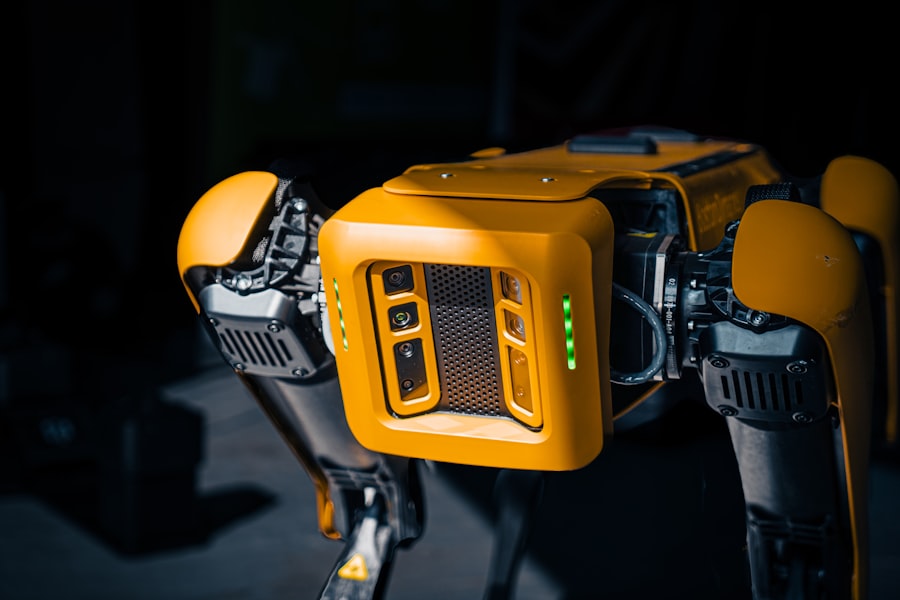
Regular inspection of CNC machine components is crucial for identifying potential issues before they lead to machine failure. By inspecting components for signs of wear or damage, necessary repairs or replacements can be made in a timely manner.
When inspecting components, it is important to look for signs of wear, such as fraying belts, worn gears, or misaligned bearings. It is also important to check for any loose or damaged connections, as these can cause electrical issues.
If any components are found to be worn or damaged, they should be repaired or replaced as soon as possible. This may involve tightening loose connections, replacing worn belts or gears, or realigning misaligned bearings. It is important to consult the machine’s manual or manufacturer for specific repair instructions.
Upgrading and Replacing CNC Machine Parts
In addition to regular maintenance and repairs, upgrading or replacing CNC machine parts can also help improve performance and extend the machine’s lifespan. Over time, technology advances and new parts become available that can enhance the machine’s capabilities.
When considering upgrading or replacing parts, it is important to evaluate the benefits and costs. Upgrading or replacing parts can improve efficiency, accuracy, and productivity, but it may also require an investment of time and money. It is important to weigh the potential benefits against the costs before making a decision.
It is also important to consult the machine’s manual or manufacturer for compatibility and installation instructions. Some parts may require specific software updates or adjustments to ensure proper operation.
Training and Education for CNC Machine Operators
Training and education are crucial for CNC machine operators to ensure safe and efficient operation. Proper training can help operators understand the machine’s capabilities, limitations, and maintenance requirements.
There are several resources available for training and education for CNC machine operators. Many manufacturers offer training programs or certifications that cover machine operation, maintenance, and troubleshooting. Additionally, there are online courses, books, and videos available that provide in-depth information on CNC machine operation and maintenance.
By investing in training and education for CNC machine operators, companies can ensure that their machines are operated safely and efficiently, reducing the risk of accidents or damage.
Implementing a Preventative Maintenance Plan
To ensure regular maintenance is performed on CNC machines, it is important to implement a preventative maintenance plan. This plan should outline the specific maintenance tasks that need to be performed, as well as the frequency at which they should be performed.
When creating a preventative maintenance plan, it is important to consider the machine’s specific requirements and operating conditions. Some machines may require more frequent maintenance due to heavy use or harsh environments, while others may require less frequent maintenance.
It is also important to assign responsibility for each maintenance task and establish a schedule for performing them. This can help ensure that tasks are not overlooked or forgotten.
Benefits of Maximizing Your CNC Machine’s Lifespan
Maximizing the lifespan of CNC machines through regular maintenance offers several benefits for manufacturers. One of the main benefits is increased productivity. By keeping machines in top condition, they can operate at peak performance, resulting in faster production times and higher output.
Regular maintenance also helps reduce downtime due to unexpected breakdowns or malfunctions. By identifying potential issues before they lead to machine failure, necessary repairs or replacements can be made in a timely manner, minimizing downtime and ensuring continuous operation.
Additionally, regular maintenance can help reduce repair and replacement costs. By addressing potential issues early on, they can be resolved before they cause further damage or require more extensive repairs. This can help save money in the long run.
In conclusion, regular maintenance is crucial for CNC machines to ensure optimal performance and longevity. By understanding the importance of regular maintenance and implementing a preventative maintenance plan, manufacturers can maximize the lifespan of their CNC machines and enjoy the benefits of increased productivity, reduced downtime, and lower repair costs. By following essential maintenance tips, cleaning and lubrication techniques, and regularly inspecting and repairing components, CNC machine operators can keep their machines in top condition and ensure safe and efficient operation. Additionally, investing in training and education for CNC machine operators can further enhance machine performance and reduce the risk of accidents or damage.
If you’re interested in CNC maintenance, you may also find this article on Clever Wood Projects helpful. It discusses the top 5 woodworking projects that sell and provides a video guide to help you get started. Check it out here.
FAQs
What is CNC maintenance?
CNC maintenance refers to the process of keeping computer numerical control (CNC) machines in good working condition through regular inspections, cleaning, lubrication, and repair.
Why is CNC maintenance important?
CNC machines are expensive and complex pieces of equipment that require regular maintenance to ensure optimal performance and longevity. Neglecting maintenance can lead to costly breakdowns, reduced productivity, and safety hazards.
What are some common CNC maintenance tasks?
Common CNC maintenance tasks include cleaning and lubricating machine components, inspecting and replacing worn or damaged parts, checking and calibrating machine settings, and performing software updates.
Who is responsible for CNC maintenance?
CNC maintenance is typically the responsibility of the machine operator or maintenance technician. However, it is important for all employees who work with CNC machines to be aware of basic maintenance procedures and to report any issues or concerns to the appropriate personnel.
How often should CNC maintenance be performed?
The frequency of CNC maintenance depends on several factors, including the type of machine, the level of usage, and the manufacturer’s recommendations. Generally, CNC machines should be inspected and maintained on a regular basis, with more frequent maintenance for machines that are used heavily or in harsh environments.
What are some best practices for CNC maintenance?
Some best practices for CNC maintenance include following the manufacturer’s recommended maintenance schedule, keeping the machine clean and free of debris, using high-quality lubricants and replacement parts, and training employees on proper machine operation and maintenance.


