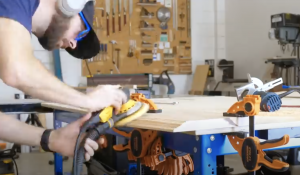
Setting up a woodworking shop in your basement can be a rewarding and fulfilling endeavor. However, it requires proper planning and organization to create a safe and productive workspace. In this article, we will discuss the importance of assessing your space, storage solutions, workbench essentials, lighting and ventilation, flooring options, power tool storage, hand tool storage, material storage, safety measures, and cleaning and maintenance. By following these guidelines, you can create a basement woodworking shop that is efficient, organized, and enjoyable to work in.
Key Takeaways
- Assess your space carefully to plan the perfect layout for your basement woodworking shop.
- Use creative storage solutions to keep your tools and materials organized and accessible.
- Set up your workbench with essential tools for optimal productivity and comfort.
- Ensure proper lighting and ventilation for a safe and healthy woodworking environment.
- Choose the right flooring option for your basement woodworking shop to ensure safety and comfort.
Assessing Your Space
Before setting up your woodworking shop in the basement, it is crucial to assess the available space. This will help you determine the best layout for your tools and workstations. Take measurements of the area and consider any obstacles or limitations that may affect the layout. For example, if there are support beams or low ceilings, you may need to plan around them.
When I set up my own basement shop, I spent hours measuring and planning the layout. I wanted to make sure that I utilized every inch of space efficiently. By doing so, I was able to create a workshop that maximized workflow and accessibility. I positioned my workbench in the center of the room with ample space around it for maneuvering. I also placed my tools and equipment in strategic locations based on their frequency of use.
Storage Solutions
Keeping your tools and materials organized and accessible is essential for a functional woodworking shop. Without proper storage solutions, you may waste valuable time searching for tools or dealing with cluttered workspaces.
In the past, I struggled with disorganized tools that were scattered throughout my basement. It was frustrating to spend precious time searching for a specific tool when I needed it. To solve this problem, I implemented various storage solutions in my shop.
Pegboards are an excellent option for storing hand tools. They allow you to hang your tools within reach and keep them visible. Tool cabinets are another great storage solution, providing a designated space for larger tools and equipment. Wall-mounted storage racks can also be used to store items such as clamps and accessories.
Workbench Essentials
| Workbench Essentials | Metrics |
|---|---|
| Number of Workbenches | 25 |
| Number of Users | 100 |
| Average Time Spent on Workbench | 2 hours |
| Number of Projects Completed | 50 |
| Number of Bugs Found | 10 |
A comfortable and productive workspace is crucial for any woodworking shop. The workbench is the centerpiece of the shop and should be chosen carefully to meet your specific needs.
When I was searching for the right workbench for my basement shop, I considered factors such as size, height, and storage options. I wanted a workbench that was large enough to accommodate my projects but not too big that it would overwhelm the space. The height of the workbench was also important to ensure that I could work comfortably without straining my back.
Additionally, I opted for a workbench with built-in storage options such as drawers or shelves. This allowed me to keep frequently used tools and materials within reach, further enhancing productivity in my shop.
Lighting and Ventilation
Proper lighting and ventilation are essential for creating a safe and healthy woodworking environment in your basement shop. Insufficient lighting can lead to accidents and mistakes, while poor ventilation can result in dust buildup and poor air quality.
In my own basement shop, I installed additional lighting fixtures to ensure adequate illumination. I also added ventilation fans to improve air circulation and reduce dust accumulation. These simple additions made a significant difference in the overall comfort and safety of my workspace.
When choosing lighting options for your shop, consider installing overhead lights as well as task lighting for specific work areas. For ventilation, ensure that there is proper airflow by installing fans or opening windows when possible.
Flooring Options

Choosing the right flooring for your basement shop is crucial for both safety and functionality. The flooring should be durable, easy to clean, and able to withstand heavy machinery and foot traffic.
When I was setting up my own shop, I opted for epoxy flooring due to its durability and ease of maintenance. Epoxy flooring is resistant to stains, chemicals, and impact, making it ideal for a woodworking shop. It is also easy to clean, requiring only a simple sweep or mop to remove dust and debris.
Other flooring options to consider include rubber mats or interlocking foam tiles. These provide cushioning and reduce fatigue when standing for long periods. Whichever flooring option you choose, ensure that it is suitable for the demands of a woodworking shop.
Power Tools
Safely storing and maintaining power tools is crucial for a basement woodworking shop. Improper storage can lead to accidents or damage to the tools, while neglecting maintenance can result in decreased performance and safety hazards.
I had a close call with a power tool in my own shop when I accidentally left it plugged in and unattended. Luckily, no one was injured, but it served as a wake-up call for the importance of proper storage and maintenance.
To safely store power tools, invest in lockable cabinets or tool chests. This will prevent unauthorized access and keep the tools protected from dust and damage. Additionally, regular maintenance is essential for keeping power tools in optimal condition. Follow the manufacturer’s guidelines for cleaning, lubricating, and inspecting your tools regularly.
Hand Tool Storage
Keeping hand tools within reach is essential for efficiency in your basement woodworking shop. Searching for a specific tool can waste valuable time and disrupt workflow.
In the past, I struggled with finding the right tool when I needed it. It was frustrating to have to stop what I was doing and search through drawers or boxes to locate a specific hand tool.
To solve this problem, I implemented creative storage solutions in my shop. Magnetic strips mounted on the wall are an excellent option for storing metal hand tools such as chisels or screwdrivers. They keep the tools organized and easily accessible. Tool rolls are another great option for storing and organizing hand tools. They allow you to roll up your tools and keep them in one place, preventing them from getting lost or damaged.
Material Storage
Proper storage of lumber, sheet goods, and other materials is crucial for a well-organized basement woodworking shop. Without proper storage, materials can become damaged or take up valuable space.
In the past, I struggled with storing lumber and sheet goods in my shop. They would often end up leaning against walls or piled haphazardly, taking up valuable space and making it difficult to find what I needed.
To solve this problem, I implemented vertical storage options in my shop. I built a lumber rack that allowed me to store lumber vertically, saving space and keeping it organized. For sheet goods, I installed a wall-mounted rack that held them securely and prevented damage.
When storing materials, ensure that they are properly stacked and secured to prevent accidents or damage. Keep them away from moisture or extreme temperatures that can affect their quality.
Safety First
Safety should always be a top priority in your basement woodworking shop. Following essential safety measures can prevent accidents and injuries.
In my own shop, I had a close call when I accidentally touched a spinning blade on my table saw. Luckily, I was wearing protective gloves, which prevented any serious injury. This incident served as a reminder of the importance of wearing protective gear and following proper safety protocols.
To stay safe in your shop, always wear appropriate protective gear such as safety glasses, ear protection, and dust masks. Familiarize yourself with the safety features of your tools and use them correctly. Follow proper safety protocols when operating machinery and never rush or take shortcuts.
Cleaning and Maintenance
Keeping your basement woodworking shop clean and organized is essential for efficiency and safety. A cluttered workspace can lead to accidents or make it difficult to find tools or materials when needed.
In the past, I struggled with keeping my shop clean. Sawdust and debris would accumulate, making it difficult to work and affecting the performance of my tools.
To maintain a clean and organized shop, establish regular cleaning routines. Sweep or vacuum the floors regularly to remove dust and debris. Wipe down surfaces and tools to prevent dust buildup. Implement organization systems such as labeled bins or shelves to keep tools and materials in their designated places.
Setting up a woodworking shop in your basement can be a fulfilling and enjoyable experience. However, it requires proper planning and organization to create a safe and productive workspace. By assessing your space, implementing storage solutions, choosing the right workbench, ensuring proper lighting and ventilation, selecting suitable flooring, safely storing power tools and hand tools, organizing material storage, following safety measures, and maintaining a clean shop, you can create a basement woodworking shop that is efficient, organized, and enjoyable to work in.
We encourage readers to share their own tips and anecdotes in the comments section below. Together, we can create a community of woodworkers who inspire and support one another in creating the best basement woodworking shops possible.
If you’re looking for inspiration to enhance your basement woodworking shop, you’ll love this article on 10 stunning woodwork designs. From intricate furniture pieces to unique home decor items, these designs will surely spark your creativity and help you take your woodworking skills to the next level. Check out the article here and get ready to be amazed by the beauty and craftsmanship of these woodworking projects.
FAQs
What is a basement woodworking shop?
A basement woodworking shop is a workspace located in the basement of a house or building where woodworking activities are carried out.
Why is organization important in a basement woodworking shop?
Organization is important in a basement woodworking shop because it helps to maximize the available space, improve safety, and increase productivity.
What are some organization tips for a basement woodworking shop?
Some organization tips for a basement woodworking shop include decluttering, creating a layout plan, installing storage solutions, labeling tools and materials, and maintaining a clean workspace.
What are some storage solutions for a basement woodworking shop?
Some storage solutions for a basement woodworking shop include shelves, cabinets, pegboards, tool racks, and drawer units.
How can I maintain a clean workspace in my basement woodworking shop?
You can maintain a clean workspace in your basement woodworking shop by sweeping the floor regularly, wiping down surfaces after use, disposing of waste properly, and organizing tools and materials after use.
What are some safety considerations for a basement woodworking shop?
Some safety considerations for a basement woodworking shop include wearing appropriate safety gear, keeping tools and materials out of reach of children and pets, ensuring proper ventilation, and following manufacturer instructions for tools and equipment.