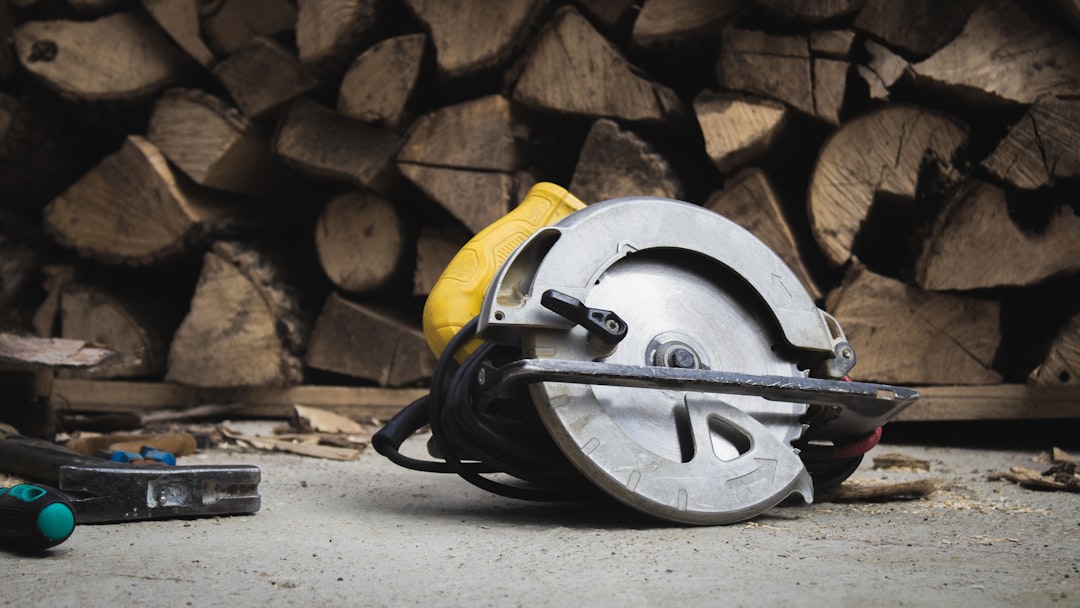
The craft of woodworking demands accuracy and focus on details. Making precise cuts and angles is essential for producing high-quality pieces, whether you’re a hobbyist or a professional woodworker. This is where tools and jigs for woodworking become useful. This article will discuss the value of jigs and aids in woodworking, the various kinds that are available, and the construction and usage techniques for them. Jigs and aids are instruments or apparatuses that help woodworkers achieve exact shapes, angles, and cuts.
Key Takeaways
- Fine woodworking jigs and aids are essential tools for achieving precision in woodworking.
- There are various types of jigs and aids available for different woodworking projects.
- Building your own jigs and aids can be a cost-effective way to customize your woodworking projects.
- Tips for using jigs and aids include ensuring proper alignment and using the right tools for the job.
- Common mistakes to avoid when using jigs and aids include rushing and not double-checking measurements.
They are made to guide the cutting tool, like a saw or router, and hold the workpiece firmly in place while guaranteeing accuracy & consistency. Because they remove the need to measure and mark each individual piece, these tools are particularly helpful when working on complex or repetitive tasks. Woodworking requires precision on a basic level. It guarantees that all of the parts fit together perfectly and improves the piece’s overall aesthetics.
Joints that are not precisely aligned may result in structures that are unstable and feeble. Also, gaps, uneven surfaces, & compromised functionality can result from inaccurate cuts and angles. Achieving precision in woodworking is largely dependent on jigs and aids. They give woodworkers a dependable and consistent point of reference so they can precisely duplicate cuts and angles.
Even when working on complicated or intricate designs, woodworkers can achieve repeatable results & eliminate human error by utilizing jigs and aids. For a variety of woodworking tasks, jigs and tools of various kinds are available. In this section, we will examine some of the most popular ones & their appropriate usage. Crosscut Sled: A crosscut sled is a multipurpose jig that is used with a table saw to create precise crosscuts. It is made up of a fence that directs the saw blade and a sliding platform that holds the workpiece firmly.
| Chapter | Topic | Metric |
|---|---|---|
| 1 | Introduction | N/A |
| 2 | Why Use Jigs and Aids? | Improved accuracy and efficiency |
| 3 | Designing and Building Jigs | Number of jigs built |
| 4 | Joinery Jigs | Number of joints made using jigs |
| 5 | Cutting and Shaping Jigs | Number of pieces cut or shaped using jigs |
| 6 | Routing Jigs | Number of pieces routed using jigs |
| 7 | Sanding Jigs | Number of pieces sanded using jigs |
| 8 | Finishing Aids | Number of pieces finished using aids |
| 9 | Conclusion | N/A |
When cutting large or heavy pieces of wood or performing repetitive cuts, crosscut sleds come in handy. 2. Dovetail Jig: Dovetail joints are renowned for being both aesthetically pleasing and strong. A dovetail jig is a specialized tool used by woodworkers to quickly and efficiently create precise dovetail joints.
Usually, it is made up of a guide that holds the workpiece in place while the dovetail slots are being cut and a template. 3. Stationary woodworking equipment that holds a router upside down is called a router table. It offers a steady and regulated setting for routing tasks like dado cuts, joinery, and edge profiling. Featherboards and miter gauges are just two examples of the many attachments & accessories that router tables frequently include in order to increase accuracy and safety. 4.
Miter Sled: A miter sled is a table saw jig that is used to create precise miter cuts. It is made up of a guide that holds the workpiece at the correct angle and a platform with a fence. Making picture frames, molding, and other projects that call for accurate miter joints frequently involves the use of miter sleds.
There are many advantages to making your own jigs & aids. The tool can be tailored to meet your individual requirements & preferences, to start with. Also, it might be a more affordable option than buying prefabricated jigs and tools. To sum up, creating your own jigs and tools can be a fun and instructive project that improves your woodworking abilities.
A few simple tools and supplies are needed to build a simple jig. Let’s examine a step-by-step tutorial for constructing a crosscut sled, one of the jigs used in woodworking the most frequently:1. Calculate the required dimensions and cut a plywood piece for the sled base.
Make sure it has enough space to hold your workpiece. 2. To the bottom of the sled base, fasten two hardwood runners. These runners offer control & stability by fitting into your table saw’s miter slots. Three. Fasten a fence to the sled base’s front.
The fence needs to be longer than the blade and perpendicular to it. 4. To secure the workpiece to the sled, install a toggle clamp or another type of clamping mechanism. 5. Make a few test cuts to check the sled’s accuracy. To obtain clean, square cuts, adjust the fence as needed. You can customize your jigs and aids to fit your unique requirements & woodworking projects by building your own.
It’s an excellent method to improve your precision and woodworking abilities. There are some best practices that must be followed in order to use jigs & aids effectively. The following advice will assist you in creating precise cuts and angles:1. For every jig or tool you use, make sure you read and abide by the manufacturer’s instructions.
Certain rules and safety measures may apply specifically to a given tool. 2. Make sure your table saw or workbench has the jig or aid firmly fastened to it. Accuracy and safety can be jeopardized by jigs that are loose or unstable. 3. Put the workpiece on the jig or assist by using the proper clamping mechanisms.
This will keep things stationary and guarantee steady outcomes. 4. Ascertain that the cutting instrument, like a saw or router bit, is correctly positioned and sharp. Rough cuts and errors can be caused by dull or misaligned tools. 5. Work slowly & steadily throughout the process.
Rushing can cause errors and affect how precisely you cut & angle your material. 6. When using power tools and machinery, always wear the proper safety gear, such as safety glasses and hearing protection. Woodworkers can greatly improve their precision by using jigs and aids, but they should also be aware of & avoid certain common mistakes. Here are a couple of instances:1.
not verifying that the jig or assistance is accurate before using it. For accurate results, it is crucial to make sure the tool is calibrated & aligned correctly. 2. ignoring how crucial appropriate clamping is. Inadequate clamping may cause the workpiece to move or shift, which could result in uneven angles and cuts. Three.
not routinely cleaning & maintaining the jigs and aids. The accumulation of dust and debris over time can have an impact on the tools’ accuracy and performance. 4. employing an improper jig or tool for the job at hand. To get the desired results, it is crucial to select the right tool for the particular woodworking operation. Woodworkers can achieve consistent precision in cuts & angles by being aware of these common errors and taking the appropriate safety measures to prevent them. Advanced techniques and specialized jigs and aids are available for woodworkers who want to further develop their precision skills.
You can become an expert at precision in woodworking by following these tips:1. Invest in tools for precise measurement, like dial indicators and digital calipers. These instruments can assist you in achieving precise cuts and angles as well as accurate measurements. 2. For instance, box joint jigs, mortise & tenon jigs, and circle cutting jigs are examples of specialized jigs and tools that can be used. These instruments are made to guarantee accuracy & streamline difficult tasks. 3.
Discover what CNC (Computer Numerical Control) woodworking is all about. Precision and consistency are achieved through the automation of cutting and shaping processes by CNC machines. 4. Exercise patience and focus on the details. In woodworking, precision calls for attention to detail and focus. Make the time to precisely measure, mark, and align your workpieces.
Problems during woodworking projects can occur even with the best jigs and aids. The following common problems are listed along with solutions:1. Inaccurate cuts or angles: Make sure the cutting tool is calibrated correctly and check the jig or aid’s alignment. In order to confirm that the workpiece is secure, double-check the clamping mechanism. 2.
Splintering or tear-out can be avoided by using a sacrificial backing board and a sharp cutting tool. Reduce the likelihood of splintering by adjusting the cutting tool’s speed and feed rate. 3. Binding or sticking: Inspect the area for any accumulation of sawdust or debris that might be the reason the jig or aid is binding.
As needed, give the instrument a cleaning and lube. 4. Uneven cuts or angles: Make sure the jig or aid is firmly fastened and that the workpiece is correctly aligned. Also, look for any wear or damage on the cutting tool that could be compromising the precision of the cuts.
Maintaining the longevity and functionality of your jigs & aids requires proper upkeep and care. The following advice will help you maintain them in ideal condition:1. Dust and debris should be routinely removed from your jigs and aids.
To clean areas that are difficult to reach, use compressed air or a brush. 2. Examine the instruments for indications of deterioration or wear. To guarantee optimum performance, replace any worn-out or damaged components. 3. Keep your jigs & tools in a dry, clean place.
Use covers or protective cases to keep dust and moisture out of the air. 4. As advised by the manufacturer, lubricate moving components like slides and hinges. This will keep everything running smoothly & stop binding.
You can achieve precise cuts and angles in your woodworking projects by taking the time to maintain and care for your jigs and aids. This will ensure that they continue to function accurately and reliably. Investing in high-quality jigs and tools can be very beneficial for woodworkers who want to advance their skill and attain the highest degree of precision. Better-quality materials are frequently used to create finer jigs and aids, which also have more adjustable features.
They are made to be as accurate & dependable as possible, meeting the needs of professional woodworkers. Fine jigs & tools to think about purchasing include the following:1. precision miter gauges that can be fine-tuned to produce exact angles. 2. superior dovetail jigs featuring cutting-edge functions like adjustable spacing & multiple templates. 3.
sophisticated router tables featuring integrated measuring scales, dust collection systems, & precision fences. 4. Jigs and tools made specifically for your needs and woodworking projects, on request. Woodworkers can reach unmatched precision & craftsmanship and take their work to the next level by investing in high-quality jigs and tools. Conclusion: In the field of woodworking, jigs and aids are indispensable instruments.
They give woodworkers the tools they need to make cuts and angles with consistency, accuracy, and precision. Utilizing jigs & tools in your woodworking projects can significantly improve the caliber and productivity of your work, regardless of your level of experience. There are many options available to suit every woodworking task, ranging from basic jigs that you can build yourself to sophisticated and specialized tools.
You can guarantee longevity & optimum performance by adhering to best practices, avoiding common blunders, and properly maintaining your jigs and aids. Give jigs and aids a try for your next woodworking project; you’ll be astonished at the amount of quality and precision you can accomplish with these indispensable tools. Happy working with wood!
If you’re interested in fine woodworking jigs and aids, you’ll definitely want to check out this informative article on Clever Wood Projects titled “Create with Care: Woodworking 2×2 Projects.” This article provides step-by-step instructions and helpful tips for building your own woodworking projects using 2×2 lumber. Whether you’re a beginner or an experienced woodworker, this article offers valuable insights and techniques to enhance your woodworking skills. Don’t miss out on this opportunity to expand your knowledge and take your woodworking projects to the next level. To read the full article, click here.
FAQs
What are woodworking jigs and aids?
Woodworking jigs and aids are tools that help woodworkers perform specific tasks with greater accuracy and efficiency. They are designed to hold workpieces in place, guide tools, and make repetitive cuts or measurements.
What are the benefits of using woodworking jigs and aids?
Using woodworking jigs and aids can help woodworkers save time, reduce waste, and improve the quality of their work. They can also help woodworkers perform tasks that would be difficult or impossible to do by hand.
What types of woodworking jigs and aids are available?
There are many types of woodworking jigs and aids available, including router jigs, table saw jigs, drill press jigs, and clamps. Some jigs are designed for specific tasks, such as cutting dovetails or mortises, while others are more versatile and can be used for a variety of tasks.
How do I choose the right woodworking jig or aid?
Choosing the right woodworking jig or aid depends on the task you need to perform. Consider the type of tool you will be using, the size and shape of the workpiece, and the level of precision required. Look for jigs and aids that are well-made, easy to use, and designed for the specific task you need to perform.
Can I make my own woodworking jigs and aids?
Yes, many woodworkers make their own jigs and aids. This can be a cost-effective way to get the tools you need, and it can also be a fun and rewarding project. There are many resources available online and in woodworking books and magazines that can help you design and build your own jigs and aids.