Woodworking is a craft that has been practiced for centuries, dating back to ancient civilizations. It involves working with wood to create functional and decorative items. From furniture to cabinets to small crafts, woodworking offers a wide range of possibilities for creativity and self-expression.
One of the benefits of woodworking as a hobby is the satisfaction of creating something with your own hands. It allows you to take raw materials and transform them into a finished product that you can be proud of. Woodworking also provides an opportunity to learn new skills and techniques, as well as develop problem-solving abilities.
Safety is of utmost importance in woodworking. Working with sharp tools and heavy machinery can be dangerous if proper precautions are not taken. It is essential to wear protective gear, such as safety glasses and gloves, and to follow safety guidelines when using tools and equipment.
Key Takeaways
- Woodworking is a fun and rewarding hobby that can be enjoyed by beginners.
- Essential tools for woodworking include a saw, drill, chisels, and measuring tools.
- Understanding wood types, grain, and characteristics is important for selecting the right wood for your project.
- Measuring and cutting wood accurately is crucial for creating a successful project.
- Joinery basics, such as mortise and tenon joints, are important for creating strong and secure wood joints.
Essential Tools for Woodworking: What You Need to Get Started
To get started in woodworking, there are a few essential tools that you will need. These tools will allow you to measure, cut, shape, and join wood effectively.
1. Tape Measure: A tape measure is used for measuring the length and width of wood pieces accurately. It is an essential tool for ensuring that your cuts are precise.
2. Circular Saw: A circular saw is a versatile tool that can be used for making straight cuts in wood. It is handheld and easy to maneuver, making it ideal for beginners.
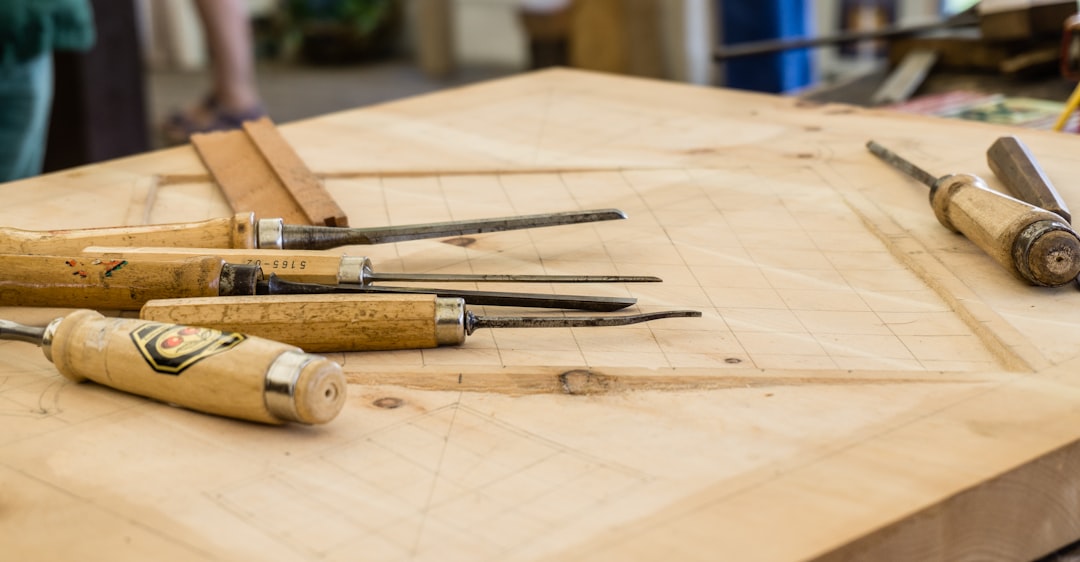
3. Chisels: Chisels are used for shaping and carving wood. They come in various sizes and shapes, allowing you to create intricate designs and details.
4. Clamps: Clamps are used to hold pieces of wood together while glue dries or when joining them with screws or nails. They ensure that the pieces stay in place and create a strong bond.
5. Hammer: A hammer is used for driving nails into wood and for other general woodworking tasks. It is essential to choose a hammer that is comfortable to hold and has a good balance.
When choosing tools for woodworking, it is important to invest in quality tools that will last. Look for tools made from durable materials, such as steel or high-quality wood handles. It is also a good idea to read reviews and ask for recommendations from experienced woodworkers.
Understanding Wood: Types, Grain, and Characteristics
Wood comes in various types, each with its own unique characteristics and uses. Some common types of wood used in woodworking include oak, pine, maple, and cherry. Each type of wood has its own distinct grain pattern and color, which can add beauty and character to your projects.
The grain of wood refers to the pattern created by the growth rings in the wood. It can be straight, curly, or wavy, depending on the type of tree and how it was cut. The grain pattern can affect how the wood looks and how it behaves when working with it.
In addition to grain, wood also has other characteristics that are important to consider when choosing the right type of wood for your project. Hardness is one such characteristic, which refers to how resistant the wood is to dents and scratches. Durability is another important characteristic, which refers to how well the wood holds up over time.
Measuring and Cutting Wood: Techniques for Accuracy and Precision
Accurate measurements are crucial in woodworking to ensure that your pieces fit together properly. There are several techniques you can use to measure and mark wood accurately.
One technique is to use a combination square, which has a ruler and a 90-degree angle guide. This tool allows you to measure and mark both length and width accurately. Another technique is to use a marking gauge, which is used to mark parallel lines along the edge of a piece of wood.
When it comes to cutting wood, there are several tools you can use, depending on the type of cut you need to make. A handsaw is a versatile tool that can be used for making straight cuts, while a jigsaw is ideal for making curved cuts. A miter saw is used for making angled cuts, such as when creating miter joints.
When using saws and other cutting tools, it is important to follow safety guidelines and use proper technique. Always wear safety glasses and gloves, and make sure the wood is securely clamped before making any cuts.
Joinery Basics: Creating Strong and Secure Wood Joints
Joinery is the process of connecting two or more pieces of wood together to create a strong and secure bond. There are several different types of wood joints that you can use, depending on the project you are working on.
One common type of joint is the butt joint, which involves joining two pieces of wood end-to-end. This joint is often reinforced with screws or nails to provide additional strength. Another common joint is the miter joint, which involves joining two pieces of wood at a 45-degree angle.
To create strong and secure joints, it is important to use the right technique and to choose the right type of joint for your project. It is also important to use the right type of glue or adhesive to ensure a strong bond.
Sanding and Finishing: Enhancing the Beauty of Your Woodwork

Sanding and finishing are important steps in woodworking that help enhance the beauty of your projects. Sanding involves using sandpaper or a sanding block to smooth out rough edges and surfaces. It also helps prepare the wood for finishing by removing any imperfections or blemishes.
When sanding wood, it is important to start with a coarse grit sandpaper and gradually work your way up to a finer grit. This will help achieve a smooth and even finish. It is also important to sand in the direction of the wood grain to avoid creating scratches or marks.
After sanding, you can apply a finish to protect the wood and enhance its appearance. There are several different types of finishes you can choose from, including varnish, stain, and paint. It is important to choose a finish that is appropriate for the type of wood you are working with and the desired look you want to achieve.
Simple Woodworking Projects for Beginners: Ideas and Inspiration
If you are new to woodworking, there are plenty of simple projects that you can start with to build your skills and confidence. Here are a few ideas:
1. Cutting Board: A cutting board is a practical and functional project that can be made from a single piece of wood. It involves cutting the wood to size, sanding it smooth, and applying a food-safe finish.
2. Picture Frame: A picture frame is a great way to showcase your woodworking skills and create a personalized gift. It involves cutting the wood to size, joining the pieces together with miter joints, and finishing it with paint or stain.
3. Birdhouse: Building a birdhouse is a fun and rewarding project that can attract birds to your yard. It involves cutting the wood to size, joining the pieces together with screws or nails, and adding a roof and entrance hole.
When starting a woodworking project, it is important to choose one that matches your skill level and interests. Start with simple projects and gradually work your way up to more complex ones as you gain experience.
Safety Tips for Woodworking: Protecting Yourself and Your Tools
Safety should always be a top priority when working with wood. Here are some tips for protecting yourself and your tools:
1. Wear protective gear: Always wear safety glasses, gloves, and ear protection when working with tools or machinery. This will help protect your eyes, hands, and ears from injury.
2. Use tools properly: Read the instructions and familiarize yourself with the proper use of each tool before using it. Use tools only for their intended purpose and avoid using them in ways that could cause injury.
3. Keep your workspace clean and organized: A cluttered workspace can increase the risk of accidents. Keep your tools and materials organized and clean up any sawdust or debris regularly.
4. Use proper technique: Learn and practice proper technique when using tools, such as keeping your fingers away from the blade of a saw or using a push stick when cutting small pieces of wood.
5. Maintain your tools: Regularly inspect and maintain your tools to ensure they are in good working condition. Keep blades sharp and replace any worn or damaged parts.
Troubleshooting Common Woodworking Problems: How to Fix Mistakes
Mistakes are a natural part of woodworking, especially for beginners. Here are some common woodworking problems and how to fix them:
1. Uneven cuts: If your cuts are uneven, it may be due to a dull blade or improper technique. Sharpen the blade or adjust your technique to ensure straight and even cuts.
2. Gaps in joints: If you have gaps in your joints, it may be due to improper measuring or cutting. Measure and cut more accurately, or use wood filler to fill in the gaps.
3. Splintering: If your wood is splintering when cut, it may be due to a dull blade or cutting against the grain. Sharpen the blade or change the direction of your cut to avoid splintering.
4. Stains or blemishes: If you have stains or blemishes on your wood, you can try sanding them out or using a wood filler to fill them in. You can also try applying a darker stain or paint to cover up the blemishes.
It is important to remember that mistakes are part of the learning process. Be patient with yourself and take the time to learn from your mistakes. With practice and persistence, you will improve your woodworking skills and be able to tackle more complex projects.
Resources for Learning More About Woodworking: Books, Videos, and Classes
If you are interested in learning more about woodworking, there are plenty of resources available to help you expand your knowledge and skills. Here are a few options:
1. Books: There are many books available on woodworking that cover a wide range of topics, from basic techniques to advanced projects. Look for books that are well-reviewed and written by experienced woodworkers.
2. Online videos: There are numerous woodworking channels on YouTube that offer tutorials and tips for beginners. These videos can be a great way to learn new techniques and get inspiration for your projects.
3. Woodworking classes: Many community centers and adult education programs offer woodworking classes for beginners. These classes provide hands-on instruction and guidance from experienced woodworkers.
When choosing a resource, consider your learning style and preferences. Some people prefer hands-on instruction, while others prefer reading or watching videos. Choose a resource that aligns with your learning style and interests.
In conclusion, woodworking is a rewarding hobby that offers endless possibilities for creativity and self-expression. By learning the basics of woodworking, investing in quality tools, understanding wood characteristics, practicing accurate measurements and cuts, mastering joinery techniques, sanding and finishing projects, following safety guidelines, troubleshooting common problems, and utilizing available resources for learning, you can develop the skills necessary to create beautiful and functional woodwork pieces. So grab your tools, get started, and enjoy the journey of woodworking!
If you’re just starting out in woodworking and looking to learn the basics, including simple projects and techniques, you’ll definitely want to check out this informative article on Clever Wood Projects. In addition to providing step-by-step instructions on how to build a DIY compost bin in five simple steps, it also offers valuable insights into the world of woodworking plans and running a CNC router shop. Whether you’re interested in sustainable gardening or exploring the business side of woodworking, this article has got you covered. So why wait? Start your woodworking journey today by clicking here!
FAQs
What is woodworking?
Woodworking is the art or skill of making objects from wood. It involves using various tools and techniques to shape, cut, and join pieces of wood to create furniture, decorative items, and other useful objects.
What are some basic woodworking techniques?
Some basic woodworking techniques include measuring and marking, cutting, sanding, drilling, and joining. These techniques are used to create various shapes and designs in wood.
What are some simple woodworking projects for beginners?
Some simple woodworking projects for beginners include making a cutting board, a birdhouse, a picture frame, or a small shelf. These projects require basic tools and techniques and can be completed in a short amount of time.
What tools are needed for woodworking?
Some basic tools needed for woodworking include a saw, a drill, a hammer, chisels, sandpaper, and clamps. More advanced projects may require additional tools such as a router, a jointer, or a planer.
What types of wood are best for woodworking?
The type of wood used for woodworking depends on the project and personal preference. Some popular types of wood include oak, maple, cherry, and walnut. Softwoods such as pine and cedar are also commonly used.
Is woodworking a difficult skill to learn?
Woodworking can be a challenging skill to learn, but with practice and patience, anyone can become proficient. Starting with simple projects and gradually working up to more complex ones can help beginners build their skills and confidence.