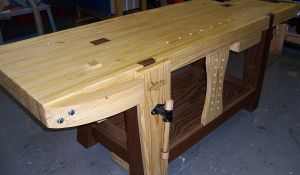
When it comes to planning and designing a wooden furniture piece, it’s important to start with a clear vision of what you want to achieve. Consider the purpose of the furniture, the space it will occupy, and the overall aesthetic you want to achieve. Take accurate measurements of the space where the furniture will be placed, and sketch out some initial designs to help visualize the final product. Consider the functionality of the piece and how it will be used – for example, if you’re designing a dining table, think about how many people it needs to seat and how much space they will need.
Once you have a clear idea of what you want to create, it’s time to move on to the design phase. This is where you can start to refine your initial sketches and create more detailed plans. Consider the type of wood you want to use, as this will impact the overall look and feel of the piece. Think about any additional features or details you want to include, such as decorative carvings or inlays. It’s also important to consider the construction techniques you will use, as this will impact the overall strength and durability of the piece. By taking the time to carefully plan and design your wooden furniture piece, you can ensure that the final product meets your expectations and serves its intended purpose.
Key Takeaways
- Planning and Design:
- Consider the purpose and location of the wood project before designing.
- Take accurate measurements and create a detailed plan before starting construction.
- Selecting the Right Wood:
- Choose a wood species that suits the project’s requirements and aesthetic preferences.
- Consider the durability, stability, and cost of different wood options.
- Joinery and Construction Techniques:
- Use appropriate joinery techniques for the specific project to ensure strength and stability.
- Pay attention to detail and precision during construction to achieve a professional finish.
- Finishing and Sealing:
- Select a suitable finish based on the wood type and project use.
- Apply multiple coats of finish for protection and a polished appearance.
- Adding Stylish Details:
- Incorporate decorative elements such as carvings, inlays, or moldings to enhance the project’s visual appeal.
- Experiment with different design elements to add a unique touch to the woodwork.
- Maintenance and Care:
- Regularly clean and inspect the wood project to prevent damage and wear.
- Follow manufacturer’s recommendations for maintenance and use appropriate cleaning products.
- Final Touches:
- Add hardware and accessories that complement the overall design and functionality of the wood project.
- Ensure all final touches are securely attached and properly aligned for a professional look.
Selecting the Right Wood:
Choosing the right type of wood is crucial when it comes to building wooden furniture. Different types of wood have different characteristics, such as color, grain pattern, and hardness, so it’s important to select a wood that is well-suited to the specific requirements of your project. Hardwoods such as oak, maple, and cherry are popular choices for furniture making due to their durability and attractive grain patterns. Softwoods like pine and cedar are also commonly used and are known for their affordability and ease of workability.
Consider the overall aesthetic you want to achieve when selecting wood for your furniture piece. For a more rustic look, consider using reclaimed or distressed wood. If you’re aiming for a more modern or sleek appearance, consider using woods with a smoother grain pattern. It’s also important to consider the environmental impact of your wood choice – look for sustainably sourced or FSC-certified wood to ensure that your project is environmentally responsible. By carefully selecting the right type of wood for your project, you can ensure that your furniture piece not only looks great but also stands the test of time.
Joinery and Construction Techniques:
The joinery and construction techniques used in building wooden furniture are crucial to the overall strength and durability of the piece. There are several different methods of joinery that can be used, each with its own strengths and weaknesses. Common joinery techniques include dovetail joints, mortise and tenon joints, and dowel joints. Each of these techniques offers different levels of strength and visual appeal, so it’s important to choose the right method for your specific project.
In addition to joinery techniques, it’s important to consider the overall construction of the piece. This includes factors such as the thickness of the wood, the use of reinforcement such as braces or corner blocks, and the use of adhesives or fasteners. The construction techniques used will impact not only the strength of the piece but also its overall appearance. By carefully considering the joinery and construction techniques used in building your wooden furniture piece, you can ensure that it is not only visually appealing but also built to last.
Finishing and Sealing:
Once the construction of your wooden furniture piece is complete, it’s time to move on to finishing and sealing. The finishing process not only enhances the natural beauty of the wood but also provides protection against moisture, stains, and wear. There are several different finishing options available, including oil-based finishes, water-based finishes, and lacquers. Each type of finish offers different levels of durability and sheen, so it’s important to choose a finish that is well-suited to the specific requirements of your project.
In addition to finishing, it’s important to seal the wood to protect it from moisture and other environmental factors. This can be done using a variety of sealants such as polyurethane or varnish. The type of sealant used will depend on the type of wood and the intended use of the furniture piece. By carefully finishing and sealing your wooden furniture piece, you can ensure that it not only looks great but also stands up to everyday use.
Adding Stylish Details:
Adding stylish details to your wooden furniture piece can help elevate its overall appearance and make it truly unique. Consider incorporating decorative elements such as inlays, carvings, or turned legs to add visual interest. You can also experiment with different finishes or stains to create a custom look that complements your existing decor. Additionally, consider adding hardware such as drawer pulls or hinges that complement the overall aesthetic of the piece.
Another way to add stylish details is by incorporating upholstery or cushions into your design. This can add comfort and visual appeal to seating pieces such as chairs or benches. By carefully considering these stylish details, you can create a wooden furniture piece that is not only functional but also a beautiful focal point in any room.
Maintenance and Care:

Proper maintenance and care are essential for keeping your wooden furniture piece looking great for years to come. Regular dusting and cleaning with a mild wood cleaner can help remove dirt and grime without damaging the finish. It’s also important to avoid placing wooden furniture pieces in direct sunlight or near heat sources, as this can cause the wood to dry out and crack.
In addition to regular cleaning, it’s important to periodically inspect your wooden furniture piece for any signs of wear or damage. This includes checking for loose joints, scratches, or water damage. Addressing any issues promptly can help prevent further damage and prolong the life of your furniture piece.
Final Touches:
Once your wooden furniture piece is complete, it’s time for the final touches that will truly bring it to life. Consider adding accessories such as throw pillows or blankets to seating pieces for added comfort and style. You can also incorporate decorative elements such as artwork or plants to enhance the overall look of the room.
Another final touch is to take pride in your creation by showcasing it in your home. Position your new furniture piece in a prominent location where it can be admired and enjoyed by all who enter your space. By taking these final touches into consideration, you can ensure that your wooden furniture piece becomes a cherished addition to your home for years to come.
Looking to expand your woodworking skills beyond building a dining table? Check out our related article on the Imaginarium Wooden Work Bench. This comprehensive product review from Clever Wood Projects provides insights into creating a versatile and durable workbench for your woodworking projects. Whether you’re a beginner or an experienced woodworker, this article offers valuable tips and recommendations to enhance your woodworking experience. Read more about it and discover new ways to elevate your woodworking craftsmanship.
FAQs
What materials are needed to design and construct a wooden dining table?
To design and construct a wooden dining table, you will need materials such as high-quality wood (such as oak, maple, or walnut), wood glue, screws, sandpaper, wood stain or paint, and a clear protective finish.
What tools are required to build a wooden dining table?
You will need a variety of tools to build a wooden dining table, including a saw (such as a table saw or circular saw), a drill, a sander, clamps, a tape measure, a level, and a paintbrush or roller for applying the finish.
What are the key design considerations for a durable and stylish wooden dining table?
Key design considerations for a durable and stylish wooden dining table include choosing a sturdy wood species, ensuring proper joinery and construction techniques, selecting a timeless and functional design, and considering the overall aesthetic and style of the table to complement the dining space.
What are some tips for ensuring the durability of a wooden dining table?
To ensure the durability of a wooden dining table, it is important to use high-quality wood, apply a protective finish to guard against scratches and spills, reinforce joints with wood glue and screws, and consider the table’s placement to avoid exposure to direct sunlight or excessive moisture.
How can I add style to a wooden dining table?
To add style to a wooden dining table, consider incorporating design elements such as tapered legs, a unique tabletop shape, decorative inlays or wood carvings, and a custom finish or paint color that complements the overall aesthetic of the dining space.