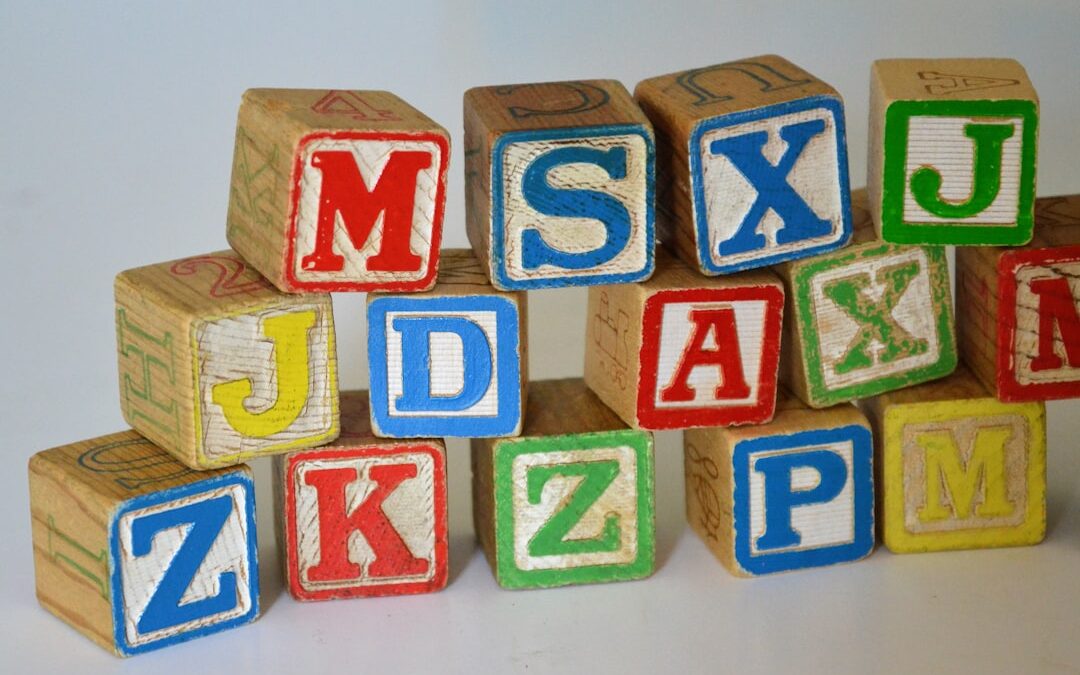
Wooden toys have been a staple in children’s playrooms for centuries. They have a rich history that dates back to ancient civilizations, where children would play with simple wooden dolls and animals. Over time, wooden toys have evolved and become more intricate, but their charm and appeal have remained constant.
Despite the rise of plastic toys in recent decades, wooden toys continue to be popular among parents and children alike. There are several reasons for this enduring popularity. Firstly, wooden toys are often seen as more timeless and nostalgic compared to their plastic counterparts. They evoke a sense of simplicity and craftsmanship that is often lacking in mass-produced plastic toys.
Additionally, wooden toys are known for their durability and longevity. Unlike plastic toys that can easily break or wear out, wooden toys are built to last. They can withstand rough play and can be passed down from generation to generation, becoming cherished family heirlooms.
Key Takeaways
- Wooden toys offer numerous benefits over plastic toys
- Safety considerations are important when making wooden toys
- Basic tools and materials are required for making wooden toys
- Choosing the right wood is crucial for the quality of your wooden toys
- Designing and making your own wooden toys can be a fun and rewarding experience
Benefits of Wooden Toys over Plastic Toys
There are several advantages to choosing wooden toys over plastic toys. One of the main benefits is their durability and longevity. Wooden toys are made from sturdy materials that can withstand rough play and last for years. Unlike plastic toys that can break easily, wooden toys can be enjoyed by multiple children and even passed down as family heirlooms.
Another advantage of wooden toys is their eco-friendliness. Plastic toys are often made from non-biodegradable materials that contribute to pollution and waste. In contrast, wooden toys are made from natural materials that can be recycled or biodegraded. By choosing wooden toys, parents can reduce their environmental impact and teach their children about sustainability.
Wooden toys also offer developmental benefits for children. They encourage imaginative play, problem-solving skills, and fine motor development. Unlike electronic or battery-operated toys that provide instant entertainment, wooden toys require children to use their creativity and engage in hands-on play.
Safety Considerations when Making Wooden Toys
When making wooden toys, safety should be a top priority. There are several considerations to keep in mind to ensure that the toys are safe for children to play with.
Firstly, it is important to choose non-toxic materials for making wooden toys. Some types of wood may contain chemicals or toxins that can be harmful if ingested or come into contact with the skin. It is important to research and select wood that is safe for children, such as untreated hardwoods.
Additionally, it is crucial to avoid using small parts and sharp edges in the design of wooden toys. Small parts can pose a choking hazard for young children, while sharp edges can cause injuries. It is important to carefully design and construct the toys to eliminate any potential hazards.
Proper sanding and finishing techniques are also essential for ensuring the safety of wooden toys. Rough surfaces or splinters can cause injuries, so it is important to sand the wood thoroughly and apply a smooth finish. Non-toxic finishes should be used to protect the wood and make it safe for children to handle.
Tools and Materials Required for Making Wooden Toys
To make wooden toys at home, you will need a few basic woodworking tools. These include a saw, sandpaper, drill, chisels, and clamps. These tools will allow you to cut and shape the wood, as well as assemble the toy.
In terms of materials, hardwoods such as maple, oak, or birch are ideal for making wooden toys. These woods are durable and can withstand rough play. It is important to choose wood that is free from knots or defects, as these can weaken the structure of the toy.
In addition to wood, you may also need additional materials for decoration. This could include non-toxic paints or stains, as well as embellishments such as buttons or fabric scraps.
Choosing the Right Wood for Your Wooden Toys
When choosing the right wood for your wooden toys, it is important to consider the characteristics of different types of wood. Hardwoods such as maple, oak, or birch are ideal for making toys as they are strong and durable. Softwoods such as pine or cedar can also be used, but they may not be as durable and may require additional reinforcement.
Sustainability is another important consideration when choosing wood for your toys. It is best to choose wood that is sourced from sustainable forests or reclaimed sources. This ensures that the wood is harvested responsibly and does not contribute to deforestation.
There are several places where you can source wood for your wooden toys. Local lumberyards or woodworking stores are a good place to start. You can also consider purchasing wood online from reputable suppliers.
Designing Your Wooden Toy: Tips and Tricks
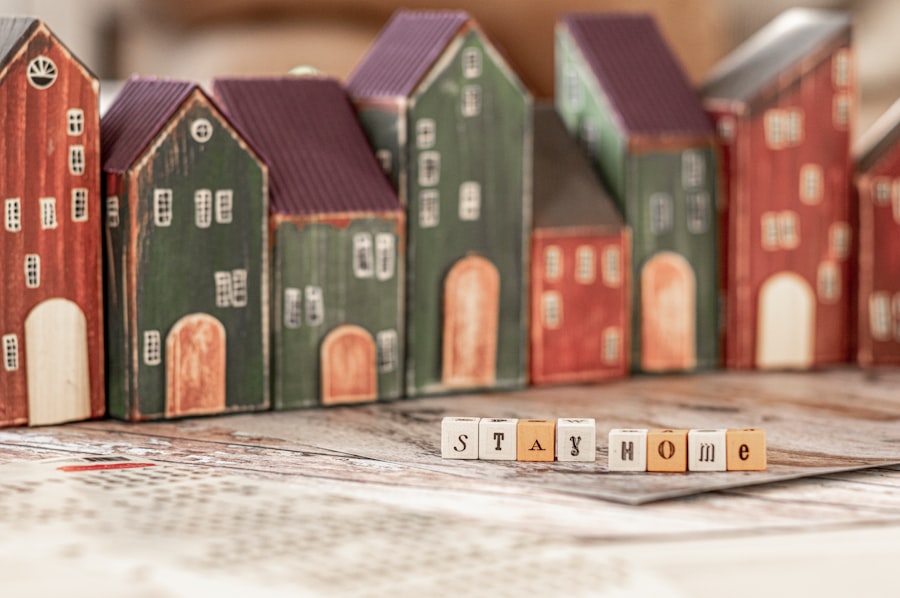
Designing your own wooden toy can be a fun and rewarding process. Here are some tips and tricks to help you get started:
1. Sketching and planning your design: Before you start cutting the wood, it is important to sketch out your design and plan the dimensions of the toy. This will help you visualize the final product and ensure that all the necessary components are included.
2. Incorporating functionality and safety: When designing your toy, it is important to consider its functionality and safety. Think about how the toy will be played with and ensure that it is safe for children of all ages. Avoid small parts or sharp edges that could pose a choking hazard or cause injuries.
3. Adding unique touches and personalization: One of the joys of making your own wooden toys is the ability to add unique touches and personalize them. Consider adding details such as engraved names or painted designs to make the toy truly one-of-a-kind.
Step-by-Step Guide to Making a Wooden Toy
Once you have designed your wooden toy, it’s time to start building! Here is a step-by-step guide to help you through the process:
1. Cutting and shaping the wood: Start by cutting the wood into the necessary pieces according to your design. Use a saw to make straight cuts, and a chisel or sandpaper to shape the wood as needed.
2. Sanding and finishing techniques: After cutting and shaping the wood, it is important to sand it thoroughly to remove any rough edges or splinters. Start with a coarse grit sandpaper and gradually move to finer grits for a smooth finish. Once the wood is sanded, apply a non-toxic finish to protect it and enhance its appearance.
3. Assembly and decoration: Once the wood is sanded and finished, it’s time to assemble the toy. Use clamps or glue to secure the pieces together, and allow them to dry completely. Once the toy is assembled, you can add any additional decorations or embellishments.
Finishing and Decorating Your Wooden Toy
The finishing touches can make all the difference in the appearance of your wooden toy. Here are some tips for finishing and decorating your toy:
1. Choosing the right finish for your toy: There are several options for finishing wooden toys, including natural oils, beeswax, or non-toxic paints or stains. Consider the desired look and feel of your toy when choosing a finish.
2. Painting and staining techniques: If you choose to paint or stain your wooden toy, it is important to use non-toxic products that are safe for children. Apply multiple thin coats for an even finish, allowing each coat to dry completely before applying the next.
3. Adding embellishments and details: To add extra charm to your wooden toy, consider adding embellishments such as buttons, fabric scraps, or engraved details. These small touches can make your toy truly unique and special.
Testing and Ensuring Safety of Your Wooden Toy
Before giving your wooden toy to a child, it is important to test it for safety. Here are some steps you can take to ensure that your toy is safe:
1. Checking for potential hazards: Inspect the toy for any potential hazards such as loose parts, sharp edges, or small pieces that could pose a choking hazard. Make any necessary adjustments or repairs before allowing a child to play with the toy.
2. Conducting safety tests: Test the toy for stability and durability by subjecting it to rough play or dropping it from a short distance. Ensure that it can withstand normal wear and tear without breaking or splintering.
3. Seeking certification if necessary: If you plan to sell your wooden toys or give them as gifts, it may be necessary to seek certification to ensure their safety. Research the regulations and requirements in your country or region to ensure compliance.
Tips for Maintaining and Extending the Lifespan of Your Wooden Toys
To ensure that your wooden toys last for years to come, it is important to properly maintain and care for them. Here are some tips:
1. Proper storage and cleaning techniques: Store wooden toys in a dry, cool place away from direct sunlight or moisture. Clean them with a damp cloth and mild soap, avoiding harsh chemicals that could damage the wood.
2. Repairing and maintaining your toys: Regularly inspect your wooden toys for any signs of wear or damage. Repair any loose parts or splintered edges promptly to prevent further damage.
3. Passing down wooden toys as heirlooms: Wooden toys have a timeless quality that makes them perfect for passing down as family heirlooms. Consider preserving your wooden toys and passing them on to future generations to enjoy.
Wooden toys have a long and rich history, and they continue to be popular today for several reasons. They are durable, eco-friendly, and offer developmental benefits for children. When making wooden toys at home, it is important to prioritize safety by choosing non-toxic materials, avoiding small parts and sharp edges, and using proper sanding and finishing techniques. With the right tools and materials, you can design and create your own unique wooden toys. By following proper finishing and decorating techniques, testing for safety, and maintaining your toys, you can ensure that they last for years to come. So why not give it a try and experience the joy of making and playing with wooden toys?
If you’re interested in creating charming and safe wooden toys for children, you may also find this article on interior design helpful. It discusses how interior design does not have to be difficult and provides tips and ideas for creating a beautiful and functional space. Check it out here. Additionally, if you’re looking for woodworking plans for your projects, this article on woodwork projects offers guidance on how to choose the best plans for your needs. Find it here. Lastly, if you’re in need of small workbench ideas, this article provides valuable insights and inspiration. Discover it here. Happy woodworking!
FAQs
What are wooden toys?
Wooden toys are toys made from wood. They can be simple or complex, and can be designed for children of all ages.
Why are wooden toys popular?
Wooden toys are popular because they are durable, safe, and environmentally friendly. They are also often designed to encourage imaginative play and creativity.
What are the benefits of wooden toys?
Wooden toys have many benefits, including being durable, safe, and environmentally friendly. They also encourage imaginative play and creativity, and can help children develop fine motor skills and hand-eye coordination.
How can I create charming and safe wooden toys for children?
To create charming and safe wooden toys for children, you should start by choosing the right type of wood. You should also use non-toxic paints and finishes, and make sure that all parts are securely attached. It’s also important to follow safety guidelines and test the toys for safety before giving them to children.
What types of wood are best for making wooden toys?
The best types of wood for making wooden toys are hardwoods such as maple, oak, and cherry. These woods are strong, durable, and resistant to splintering.
What types of paints and finishes are safe for wooden toys?
Non-toxic paints and finishes are safe for wooden toys. Look for products that are labeled as safe for children’s toys, and avoid products that contain lead or other harmful chemicals.
What safety guidelines should I follow when making wooden toys?
When making wooden toys, it’s important to follow safety guidelines such as making sure that all parts are securely attached and that there are no sharp edges or small parts that could be a choking hazard. You should also test the toys for safety before giving them to children.