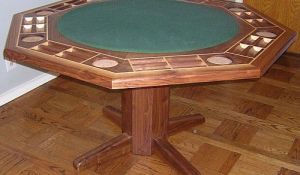
DIY woodworking projects have become increasingly popular in recent years, as more and more people are discovering the joy and satisfaction of creating something with their own hands. Woodworking is not only a practical skill, but it is also a creative outlet that allows individuals to express their personal style and taste. Whether you are a beginner or an experienced woodworker, there are countless projects that you can tackle to enhance your home or create unique gifts for loved ones.
One of the main benefits of woodworking as a hobby is the sense of accomplishment that comes from completing a project. There is something incredibly satisfying about taking a piece of raw wood and transforming it into a beautiful and functional piece of furniture or decor. Woodworking also allows individuals to develop their problem-solving skills and attention to detail, as each project requires careful planning and execution. Additionally, woodworking can be a great stress-reliever, as it provides an opportunity to focus on a task and forget about the worries of everyday life.
Key Takeaways
- DIY woodworking projects can be a fun and rewarding hobby for men.
- Essential tools for woodworking include a saw, drill, hammer, and measuring tape.
- Beginner woodworking projects for men include a birdhouse, picture frame, and cutting board.
- Intermediate woodworking projects for men include a coffee table, bookshelf, and wine rack.
- Advanced woodworking projects for men include a rocking chair, dresser, and dining table.
- Choosing the right wood for your project involves considering factors such as durability and appearance.
- Measuring and cutting wood with precision requires attention to detail and the use of proper tools.
- Finishing techniques for woodworking projects include sanding, staining, and sealing.
- Safety tips for woodworking include wearing protective gear and using tools properly.
- Inspiration for your next woodworking project can be found in magazines, online forums, and woodworking shows.
Essential Tools for Woodworking
Before diving into any woodworking project, it is important to have the right tools on hand. While the specific tools needed may vary depending on the project, there are a few basic tools that every woodworker should have in their arsenal. These include:
1. Tape Measure: A tape measure is essential for accurately measuring wood and ensuring precise cuts.
2. Circular Saw: A circular saw is a versatile tool that can be used for making straight cuts in wood.
3. Chisels: Chisels are used for shaping and carving wood, and come in various sizes.
4. Clamps: Clamps are necessary for holding pieces of wood together while glue dries or when making precise cuts.
5. Hammer: A hammer is needed for driving nails into wood or removing them when necessary.
Investing in quality tools is crucial for woodworking success. While it may be tempting to opt for cheaper options, low-quality tools can lead to inaccurate cuts and frustration. High-quality tools, on the other hand, are more durable and will provide better results. It is worth spending a little extra money upfront to ensure that you have tools that will last for years to come.
Beginner Woodworking Projects for Men
If you are new to woodworking, there are plenty of beginner-friendly projects that you can start with. These projects are relatively simple and require basic tools and skills. Here are a few examples:
1. Wooden Picture Frame: A wooden picture frame is a great first project as it only requires a few cuts and can be customized to fit any size photo. Simply measure and cut four pieces of wood to the desired dimensions, then glue and clamp them together. Sand the frame smooth and apply a finish of your choice.
2. Cutting Board: A cutting board is another beginner-friendly project that is both practical and decorative. Start by selecting a piece of hardwood, such as maple or walnut, and cut it to the desired size. Sand the board smooth and apply a food-safe finish, such as mineral oil or beeswax.
3. Floating Shelves: Floating shelves are a simple yet stylish addition to any room. To make floating shelves, cut a piece of wood to the desired length and width, then attach a hidden bracket to the back of the shelf using screws. Mount the bracket on the wall, and slide the shelf onto it.
These projects provide a great introduction to woodworking and allow beginners to practice basic skills such as measuring, cutting, and sanding.
Intermediate Woodworking Projects for Men
| Project Name | Difficulty Level | Estimated Time | Tools Required |
|---|---|---|---|
| Wooden Beer Caddy | Intermediate | 4-6 hours | Saw, drill, sander, clamps |
| Wooden Phone Docking Station | Intermediate | 3-5 hours | Saw, drill, sander, clamps |
| Wooden Cutting Board | Intermediate | 2-4 hours | Saw, router, sander, clamps |
| Wooden Picture Frame | Intermediate | 2-3 hours | Saw, router, sander, clamps |
| Wooden Wine Rack | Intermediate | 4-6 hours | Saw, drill, sander, clamps |
Once you have mastered the basics of woodworking, you may be ready to tackle more complex projects. Intermediate woodworking projects require a higher level of skill and may involve more advanced techniques or tools. Here are a few examples:
1. Coffee Table: Building a coffee table is a great intermediate project that allows you to showcase your woodworking skills. Start by designing the table and creating a cut list. Then, cut the pieces of wood to size and assemble them using joinery techniques such as dowels or pocket screws. Sand the table smooth and apply a finish of your choice.
2. Bookshelf: A bookshelf is a practical and functional piece of furniture that can be customized to fit any space. Begin by designing the bookshelf and creating a cut list. Cut the pieces of wood to size and assemble them using joinery techniques such as dado joints or biscuits. Sand the bookshelf smooth and apply a finish.
3. Jewelry Box: A jewelry box is a beautiful and thoughtful gift that requires precision and attention to detail. Start by designing the jewelry box and creating a cut list. Cut the pieces of wood to size and assemble them using joinery techniques such as miter joints or dovetails. Sand the box smooth and apply a finish.
When tackling intermediate projects, it is important to take your time and pay attention to detail. Measure twice, cut once, and always double-check your work before moving on to the next step.
Advanced Woodworking Projects for Men
For experienced woodworkers looking for a challenge, there are plenty of advanced projects that will put your skills to the test. These projects require a high level of precision, patience, and attention to detail. Here are a few examples:
1. Dining Table: Building a dining table is a complex project that requires careful planning and execution. Start by designing the table and creating a cut list. Cut the pieces of wood to size and assemble them using advanced joinery techniques such as mortise and tenon or dovetails. Sand the table smooth and apply a finish.
2. Rocking Chair: Building a rocking chair is a true test of woodworking skill. This project involves complex joinery techniques, shaping curves, and creating comfortable seating. It requires careful planning and execution to ensure that the chair is both functional and aesthetically pleasing.
3. Wooden Clock: Building a wooden clock is a challenging project that combines woodworking skills with precision timekeeping. This project requires advanced joinery techniques, intricate carving, and the ability to work with small, delicate parts.
When tackling advanced projects, it is important to take your time and work methodically. Follow the plans or design carefully, and don’t rush the process. Remember that mistakes happen, and it is all part of the learning experience. Take the time to troubleshoot and find solutions when things don’t go as planned.
Tips for Choosing the Right Wood for Your Project

Choosing the right wood for your project is crucial for achieving the desired results. Different types of wood have different characteristics, such as hardness, grain pattern, and color. Here are a few tips for selecting the best wood for your project:
1. Consider the Purpose: Think about how the finished piece will be used. If it will be subjected to heavy wear and tear, such as a dining table or cutting board, choose a hardwood that is durable and resistant to scratches and stains. If it will be purely decorative, such as a picture frame or wall art, you can opt for a softer wood with more interesting grain patterns.
2. Match the Wood to the Style: Consider the overall style of your project and choose a wood that complements it. For example, if you are building a rustic farmhouse-style coffee table, you may want to use reclaimed barn wood or distressed pine. If you are building a modern bookshelf, you may opt for a sleek hardwood such as walnut or maple.
3. Test the Wood: Before committing to a large quantity of wood, it is always a good idea to test it first. Purchase a small piece of the wood you are considering and work with it to see how it behaves. This will give you an idea of how easy or difficult it is to work with, and how it responds to different finishes.
Remember that wood is a natural material and will vary in color and grain pattern from piece to piece. Embrace the unique characteristics of each piece of wood and let them shine in your finished project.
How to Measure and Cut Wood with Precision
Accurate measurements and precise cuts are essential for successful woodworking projects. Here are a few tips for measuring and cutting wood with precision:
1. Use a Tape Measure: Invest in a high-quality tape measure and use it to take accurate measurements. When measuring, hold the tape measure firmly against the wood and read the measurement at eye level to avoid parallax errors.
2. Mark Your Cuts: Before making any cuts, mark the wood with a pencil or marking knife to indicate where the cut should be made. Use a square or straightedge to ensure that your marks are straight and perpendicular.
3. Use a Miter Saw or Circular Saw: A miter saw or circular saw is ideal for making straight cuts in wood. Set the saw to the desired angle or length, and use a clamp or guide to ensure that your cuts are straight.
4. Take Your Time: When making cuts, take your time and work slowly and methodically. Rushing can lead to mistakes and inaccurate cuts. If you are unsure, it is always better to make multiple small cuts rather than one large cut.
Remember that practice makes perfect, and it may take some time to develop your cutting skills. Don’t get discouraged if your first few cuts are not perfect – keep practicing and you will improve over time.
Finishing Techniques for Woodworking Projects
The finish is what gives a woodworking project its final look and protects the wood from damage. There are several different finishing techniques that you can use, depending on the desired look and purpose of your project. Here are a few common finishing techniques:
1. Stain: Staining wood enhances its natural color and grain pattern. Choose a stain that complements the wood and apply it with a brush or cloth. Wipe off any excess stain and allow it to dry before applying a protective finish.
2. Paint: Painting wood allows you to completely change its color and create a smooth, uniform finish. Before painting, sand the wood smooth and apply a primer to ensure good adhesion. Then, apply multiple coats of paint, allowing each coat to dry before applying the next.
3. Varnish: Varnish is a clear protective finish that enhances the natural beauty of the wood. It provides a durable and water-resistant surface that is ideal for furniture and other high-use items. Apply varnish with a brush or cloth, following the manufacturer’s instructions.
4. Oil Finish: Oil finishes, such as tung oil or Danish oil, penetrate the wood and provide a natural, low-sheen finish. They are easy to apply and maintain, making them a popular choice for beginners. Apply the oil with a brush or cloth, allowing it to soak into the wood before wiping off any excess.
When choosing a finish, consider the purpose of your project and the desired look. Some finishes are more durable than others and may be better suited for high-use items such as tabletops or cutting boards. Experiment with different finishes on scrap pieces of wood to find the one that best suits your project.
Safety Tips for Woodworking
Safety should always be a top priority when working with wood. Here are a few tips to help you stay safe in the workshop:
1. Wear Protective Gear: Always wear safety glasses or goggles to protect your eyes from flying debris. Wear ear protection when using loud power tools, and use a dust mask or respirator when sanding or working with toxic materials.
2. Use Tools Properly: Familiarize yourself with the proper use of each tool and follow the manufacturer’s instructions. Never force a tool or use it in a way that it was not intended for.
3. Keep Your Workspace Clean: A clean and organized workspace is essential for safety. Keep your tools and materials organized and free from clutter. Sweep up sawdust and wood chips regularly to prevent slips and falls.
4. Use Clamps: When making cuts or using power tools, always secure the wood with clamps to prevent it from moving. This will help prevent accidents and ensure accurate cuts.
5. Take Breaks: Woodworking can be physically demanding, so it is important to take regular breaks to rest and stretch. Fatigue can lead to accidents, so listen to your body and take breaks when needed.
Remember that accidents can happen even to the most experienced woodworkers. Always be aware of your surroundings and take precautions to minimize the risk of injury.
Where to Find Inspiration for Your Next Woodworking Project
If you are looking for inspiration for your next woodworking project, there are plenty of sources to turn to. Here are a few ideas:
1. Online Communities: Join online woodworking communities or forums where you can connect with other woodworkers and share ideas. These communities often have galleries or project showcases where you can find inspiration for your own projects.
2. Books and Magazines: Visit your local library or bookstore and browse through woodworking books and magazines. These resources often feature step-by-step instructions, plans, and design ideas.
3. Pinterest: Pinterest is a great platform for finding inspiration for woodworking projects. Create a board dedicated to woodworking and start pinning ideas that catch your eye.
4. Nature: Take a walk in nature and observe the shapes, colors, and textures around you. Nature can be a great source of inspiration for woodworking projects, whether it’s the intricate patterns on a leaf or the smooth curves of a tree branch.
Don’t be afraid to get creative and try new things. Woodworking is a versatile hobby that allows for endless possibilities. Take inspiration from various sources and put your own unique spin on each project.
Woodworking is a rewarding and fulfilling hobby that allows individuals to create beautiful and functional pieces with their own hands. Whether you are a beginner or an experienced woodworker, there are countless projects that you can tackle to enhance your home or create unique gifts for loved ones. By investing in quality tools, selecting the right wood, and practicing precision and safety, you can create woodworking projects that you can be proud of. So, grab your tools, get creative, and start woodworking today!
If you’re a man who loves DIY woodworking projects, you’ll definitely want to check out this amazing article on architectural woodwork standards. It provides valuable insights and tips on how to achieve exceptional results in your woodworking endeavors. From understanding the importance of precision to mastering the art of joinery, this article covers it all. So, grab your tools and get ready to take your woodworking skills to the next level! Click here to read more about it.
FAQs
What are DIY woodworking projects?
DIY woodworking projects are projects that involve creating or building something out of wood using tools and techniques that can be done by an individual without the need for professional help.
What are some examples of DIY woodworking projects for men?
Some examples of DIY woodworking projects for men include building a bookshelf, a coffee table, a wooden bench, a birdhouse, a picture frame, a cutting board, and a wooden toy.
What tools are needed for DIY woodworking projects?
The tools needed for DIY woodworking projects include a saw, a drill, a hammer, a chisel, a measuring tape, a level, sandpaper, and clamps.
What types of wood are best for DIY woodworking projects?
The types of wood that are best for DIY woodworking projects include pine, oak, maple, cherry, and birch. These woods are readily available, easy to work with, and have a beautiful finish.
Are DIY woodworking projects difficult?
DIY woodworking projects can be difficult depending on the complexity of the project and the skill level of the individual. However, with practice and patience, anyone can learn to create beautiful and functional pieces of furniture and decor.
What are the benefits of DIY woodworking projects?
The benefits of DIY woodworking projects include the satisfaction of creating something with your own hands, the ability to customize the project to your own preferences, and the potential to save money by building your own furniture and decor. Additionally, woodworking can be a relaxing and therapeutic hobby.