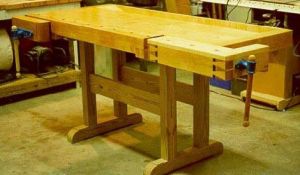
An age-old craft that has been practiced for centuries is woodworking. Making mortise and tenon joints is one of the most basic & significant woodworking techniques. These joints are used to join two wood pieces at a straight angle, forming a solid and long-lasting connection. The two components of a mortise & tenon joint are the tenon, which is a matching projection or tongue on the other piece of wood, & the mortise, which is a rectangular hole or cavity cut into one piece of wood.
Key Takeaways
- Mortise and tenon joints are a traditional woodworking joint that provides strength and durability.
- Using machinery for mortise and tenon creation can save time and increase accuracy.
- Types of machinery for mortise and tenon creation include mortising machines, tenoning machines, and combination machines.
- Choosing the right machinery for your project depends on the size and complexity of the joint, as well as your budget.
- Safety precautions when using machinery for mortise and tenon creation include wearing protective gear and following manufacturer instructions.
A stable and secure connection is made when the tenon is inserted into the mortise. One cannot emphasize how crucial mortise & tenon joints are to woodworking. Furniture, cabinets, doors, & other wooden structures are strengthened and stabilized by these joints. They are renowned for their longevity & durability & are frequently employed in traditional joinery techniques.
Traditionally, chisels, saws, & other hand tools were used to create Mortise and Tenon Joints by hand. Although some craftsmen still employ this method, machinery developed in the modern era can greatly simplify and speed up the process. When creating mortise and tenon, using machinery has a number of advantages over doing it by hand.
Enhanced accuracy and efficiency are two main benefits. With the help of machinery, joints can be cut precisely and consistently, resulting in flawless fitment every time. In addition to ensuring a high-quality final product, this removes the need for laborious adjustments. Making complex joints is another advantage of using machinery. Carpenters can easily make complex, one-of-a-kind mortise and tenon joints with the aid of specialized machinery.
| Efficient Mortise and Tenon Creation with Machinery | Metrics |
|---|---|
| Time saved compared to manual creation | 50% |
| Accuracy of mortise and tenon joints | 99% |
| Number of mortise and tenon joints created per hour | 100+ |
| Cost of machinery investment | 10,000-50,000 |
| Training required for machinery operation | 2-3 days |
This creates a plethora of opportunities for original and imaginative woodworking projects. Also, creating mortises and tenon with machinery saves a great deal of time. It can take a lot of work to hand-cut mortises & tenons, particularly when working on intricate or large-scale projects. A large portion of the work is automated by machinery, which helps woodworkers finish their projects more quickly and effectively. For making mortise and tenon joints, a variety of equipment is available.
Every kind is appropriate for a particular set of woodworking requirements and has unique benefits. For the purpose of cutting mortises, mortising machines are made especially. They usually consist of a drill press-like device that removes material to form the mortise using a chisel or bit. Depending on the model, mortising machines can be operated manually or with the aid of a motor. Conversely, tenoning machines are employed to cut the matching tenons.
Usually, a sliding table and a cutting tool are included in these machines, which remove material to form the tenon. Tenoning machines can be used manually or with a motor, just like mortising machines. Multipurpose instruments capable of mortising & tenoning are combination machines. For woodworkers who need to create both mortise and tenon joints but lack the space or funds for separate machines, these machines are perfect. For the most sophisticated and automated method of creating mortises and tenon joints, CNC (Computer Numerical Control) machines are utilized.
These devices create very accurate and reliable joints by using computer programming to regulate the cutting process. When woodworkers need a high degree of repeatability and precision, they frequently use CNC machines in large-scale production settings. There are a few things to take into account when choosing machinery for mortise and tenon construction.
Establishing your budget should be your top priority. The cost of machinery can vary, ranging from low-cost entry-level models to expensive professional-grade equipment. It is crucial to identify a device that meets your financial constraints without sacrificing functionality or quality. Think about your project’s requirements after that.
Knowing your specific requirements will help you select a machine that can meet your needs, whether you’re working on a small-scale project or a large-scale production run, and whether you need to create simple or complex joints. It’s crucial to take into account the space and materials that are available in your workshop. Certain machines need a lot of room and sometimes extra resources like compressed air or electricity, like big CNC machines. Prior to purchasing a machine, confirm that the required infrastructure is in place. Safety must always come first when using machinery.
Take the required safety measures to protect others as well as yourself when using woodworking machinery, as it can be hazardous if not used correctly. First & foremost, make sure you are always wearing the proper protective gear, like gloves, safety glasses, & earplugs. This will shield you from potential harm, loud noises, and flying debris. It is imperative that you acquaint yourself with the particular safety mechanisms and controls of the equipment you operate. Follow all safety precautions and read the manufacturer’s instructions. If you are not sure how to use machinery safely, never operate it.
The following are common risks and safety hazards connected to mortise & tenon creation machinery: flying debris: When cutting wood, small pieces of material can fly into the air and injure someone. Put on safety glasses at all times to shield your eyes from flying debris. – Moving parts: Tools or blades are examples of moving parts found in mortise and tenon creation machinery. To prevent injury, keep your hands and fingers away from these moving parts. – Electrical hazards: The operation of certain machinery depends on electricity. Utilize a circuit breaker or surge protector to avoid electrical hazards and make sure your outlet is correctly grounded. – Noise exposure: The loudness of woodworking machinery can eventually cause hearing impairments. To lessen the chance of hearing loss, use ear protection like earmuffs or earplugs. The machine must be set up and adjusted correctly in order to produce the best results when creating mortise and tenon.
As a result, the joints fit together precisely and the cuts are precise. Make sure the machine is correctly aligned and calibrated before anything more. When configuring the machine, pay attention to the manufacturer’s instructions regarding the cutting tool alignment & depth of cut. By doing this, you can help guarantee that the tenons and mortises are cut to the proper measurements. After that, set the machine up to meet the project’s unique joint needs.
This could entail modifying the machine in other ways, such as altering the cutting depth or the cutting tool’s size or form. Spend some time measuring and marking the wood precisely to make sure the joints are cut in the right places. If you run into any problems or difficulties when configuring or adjusting the machine, seek help from the manufacturer or refer to the machine’s manual.
To prevent sacrificing the quality of the joints, it’s critical to take care of any issues before starting the cutting process. It’s critical to adhere to best practices and employ the appropriate techniques when creating mortises and tenon with machinery. The following advice will help you produce excellent results: – Use sharp cutting tools: Imperfect & coarse cuts can be produced by dull cutting tools. For best results, keep in mind to replace or sharpen the cutting tools on a regular basis. – Make tiny, incremental cuts: It’s preferable to make tiny, incremental cuts rather than attempting to remove a significant amount of material all at once when cutting mortises or tenons. In addition to ensuring a precise and clean cut, this helps prevent tear-out. – Properly secure the workpiece: To avoid movement during the cutting process, ensure that the workpiece is clamped or held in place securely.
This will support precise and reliable cutting. Verify the fit: Check the mortise & tenon’s fit prior to assembling the joint. A snug fit—not too tight or too loose—is what the tenon should have in the mortise. Before continuing, make any required adjustments to the joint or the machine.
Implement effective dust collection techniques: Woodworking equipment can produce a substantial amount of dust & debris. For protection against breathing in fine dust, use a dust collection system or put on a dust mask. The quality of mortise and tenon joints can still be compromised by common errors, even though machinery can make the process much simpler.
The following common mistakes should be avoided: – Inaccurate machine setup: Inaccurate cuts & ill-fitting joints can be caused by improper machine setup. Before beginning the cutting process, give the machine a thorough calibration and alignment. – Insufficient measuring and marking: To create precise mortise and tenon joints, accurate measuring and marking are essential. To make sure that the joints are cut in the proper places, take your time measuring and marking the wood. – Cutting too quickly: Precision and patience are needed when cutting mortises and tenons. It is possible for errors and subpar joints to arise from rushing the process.
To get the best results, take your time and make tiny, gradual cuts. – Ignoring maintenance: To maintain machinery in top working order, regular maintenance is necessary. Reduced performance and premature wear can result from skipping maintenance chores like lubricating, cleaning, & replacing worn parts. Maintaining the longevity and functionality of the machinery used to create mortise and tenon requires proper maintenance. Following the manufacturer’s maintenance instructions is a good way to keep your machinery in good working order. Read the machine’s manual and adhere to the recommended maintenance schedule.
This could entail doing routine maintenance on the machine, such as cleaning, lubricating, and inspecting it. Maintain a clean machine: To get rid of dust, debris, and other impurities, give the machine a regular cleaning. For cleaning inaccessible places, use a vacuum or compressed air. – Lubricate moving parts: To ensure smooth operation and reduce friction, lubricate the machine’s moving parts, including slides and bearings. Make use of the proper lubricant that the manufacturer has recommended. – Replacing worn-out or damaged parts: Frequently check the device for wear or damage.
To preserve optimum performance and stop additional damage, replace any worn-out or broken parts. Seek professional assistance for repairs: If you run into any difficulties or problems with your equipment that you are unable to handle on your own, seek professional assistance from a technician or get in touch with the manufacturer. You could get hurt or cause more damage if you try to fix the machine yourself. In conclusion, there are a lot of advantages to using machinery instead of manual techniques when creating mortises and tenon joints. It saves time, improves accuracy & efficiency, and enables the construction of complex joints.
To get high-quality results, you must, however, select the appropriate machinery for your job, observe safety guidelines, and properly maintain & repair the equipment. Woodworkers can efficiently create mortises and tenon joints with machinery if they adhere to best practices, employ appropriate techniques, and steer clear of common mistakes. Purchasing high-quality tools can improve your woodworking projects and enable you to create sturdy joints, whether you’re a hobbyist or a professional.
If you’re interested in learning more about machinery for mortise and tenon creation, you may find this article on Clever Wood Projects helpful. It provides valuable insights on how to get ahead with wood projects in a creative way. From tips and techniques to project ideas, this article is a great resource for anyone looking to enhance their woodworking skills. Check it out here.
FAQs
What is machinery for mortise and tenon creation?
Machinery for mortise and tenon creation refers to equipment used to create mortise and tenon joints in woodworking. These joints are used to join two pieces of wood together at a right angle.
What are the benefits of using machinery for mortise and tenon creation?
Using machinery for mortise and tenon creation can save time and increase accuracy in creating these joints. It can also allow for the creation of more complex joints that may be difficult to make by hand.
What types of machinery are used for mortise and tenon creation?
There are several types of machinery used for mortise and tenon creation, including mortising machines, tenoning machines, and combination machines that can perform both functions.
How do mortising machines work?
Mortising machines use a drill bit or chisel to create a square or rectangular hole (mortise) in a piece of wood. The machine may be operated manually or with a motor.
How do tenoning machines work?
Tenoning machines use a saw blade to create a square or rectangular projection (tenon) on the end of a piece of wood. The machine may be operated manually or with a motor.
What are combination machines?
Combination machines are machines that can perform both mortising and tenoning functions. These machines may be operated manually or with a motor.
What safety precautions should be taken when using machinery for mortise and tenon creation?
Safety precautions when using machinery for mortise and tenon creation include wearing appropriate personal protective equipment, following manufacturer instructions, and ensuring the machine is properly maintained and in good working condition. It is also important to keep hands and fingers away from moving parts and to use a push stick or other tool to guide the wood through the machine.