
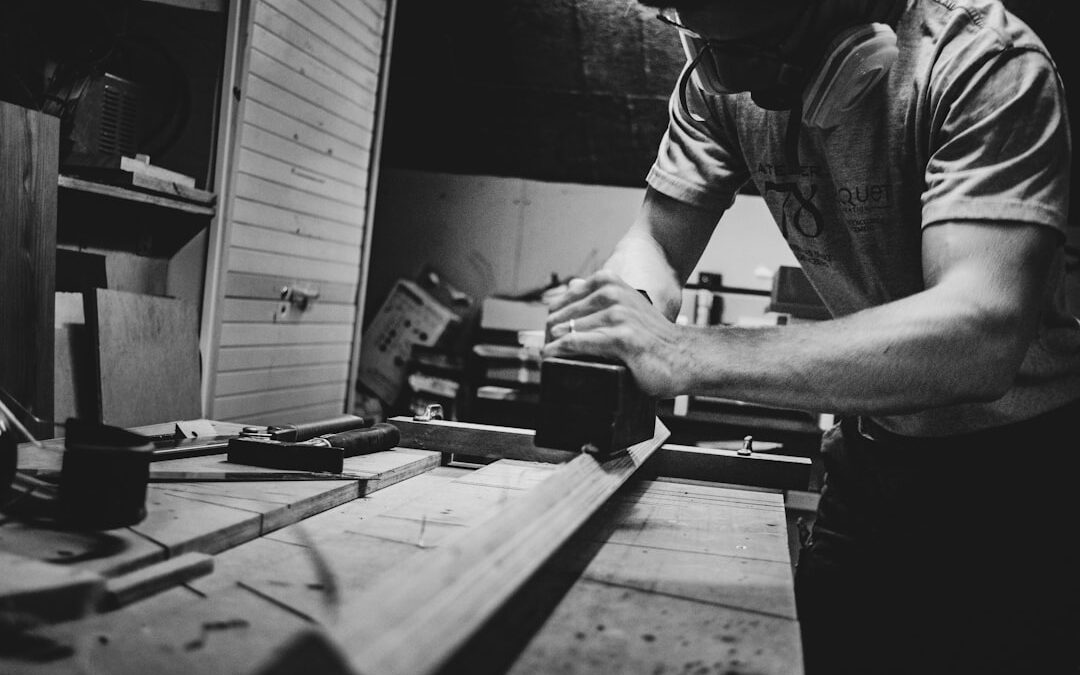
Woodworking is a craft that has been practiced for centuries, dating back to ancient civilizations. It involves working with wood to create functional and decorative items. From furniture to cabinetry, woodworking offers a wide range of possibilities for those who enjoy working with their hands.
The history of woodworking can be traced back to ancient Egypt, where wooden furniture and tools have been found in tombs dating back to 1500 BC. Throughout history, woodworking has evolved and adapted to different cultures and technological advancements. In the Middle Ages, woodworking guilds were established, and skilled craftsmen created intricate wooden structures such as cathedrals and castles.
Today, woodworking is not only a practical skill but also a popular hobby. Many people find joy in creating something with their own hands and seeing the finished product come to life. Woodworking allows for creativity and self-expression, as well as the satisfaction of working with natural materials.
Key Takeaways
- Woodworking is a fun and rewarding hobby that can be enjoyed by people of all skill levels.
- Essential tools for woodworking include a saw, hammer, chisel, drill, and measuring tools.
- Basic woodworking techniques include measuring and marking, cutting, sanding, and joining pieces of wood together.
- Safety precautions in woodworking include wearing protective gear, using tools properly, and keeping a clean and organized workspace.
- Choosing the right wood for your project depends on factors such as durability, appearance, and cost.
Essential Tools for Woodworking
To get started with woodworking, there are a few essential tools that every beginner should have in their arsenal. These tools will help you measure, cut, shape, and join wood effectively.
1. Tape Measure: A tape measure is essential for accurate measurements. Look for one that has both metric and imperial measurements.
2. Circular Saw: A circular saw is a versatile tool that can be used for straight cuts in wood. It is portable and easy to use.
3. Chisels: Chisels are used for shaping and carving wood. They come in various sizes and shapes, so it’s good to have a set of different chisels for different tasks.
4. Hand Saw: A hand saw is useful for making precise cuts in wood. Look for one with fine teeth for smoother cuts.
5. Clamps: Clamps are used to hold pieces of wood together while glue dries or when joining pieces together. They come in various sizes and styles.
6. Drill: A drill is essential for making holes in wood. Look for one that has adjustable speed and comes with a variety of drill bits.
7. Sandpaper: Sandpaper is used for smoothing and finishing wood surfaces. It comes in different grits, so it’s good to have a variety of sandpaper for different tasks.
Basic Woodworking Techniques
Before diving into woodworking projects, it’s important to familiarize yourself with some basic techniques. These techniques will serve as the foundation for your woodworking skills.
1. Measuring: Accurate measurements are crucial in woodworking. Use a tape measure or ruler to measure the dimensions of your wood pieces before cutting.
2. Cutting: There are various tools you can use for cutting wood, such as a circular saw, hand saw, or jigsaw. Make sure to follow the manufacturer’s instructions and use proper safety precautions when using power tools.
3. Sanding: Sanding is done to smooth out rough edges and surfaces. Start with a coarse grit sandpaper and gradually work your way up to a finer grit for a smooth finish.
4. Joining: Joining is the process of connecting two or more pieces of wood together. Common joining techniques include using screws, nails, dowels, or glue.
Safety Precautions in Woodworking
| Safety Precautions in Woodworking | Description |
|---|---|
| Wear Personal Protective Equipment (PPE) | Wear safety glasses, ear protection, dust mask, and gloves to protect yourself from flying debris, loud noise, harmful dust, and sharp tools. |
| Use Proper Tools and Equipment | Use tools and equipment that are in good condition and appropriate for the job. Keep them clean and sharp to prevent accidents. |
| Keep Work Area Clean and Organized | Keep your work area free of clutter and debris to prevent tripping hazards and to make it easier to move around. Store tools and materials in their proper place. |
| Follow Safety Guidelines and Procedures | Read and follow the safety guidelines and procedures provided by the manufacturer of the tools and equipment you are using. Follow the safety rules and regulations of your workplace. |
| Never Work Alone | Always have someone nearby when working with power tools or heavy machinery. In case of an accident, someone can call for help or provide first aid. |
| Be Aware of Your Surroundings | Be aware of your surroundings and the people around you. Avoid distractions and stay focused on the task at hand. |
| Know First Aid and Emergency Procedures | Know how to provide first aid and the emergency procedures in case of an accident. Keep a first aid kit and fire extinguisher nearby. |
Safety should always be a top priority when working with tools and machinery. Here are some important safety precautions to take when woodworking:
1. Wear Protective Gear: Always wear safety glasses to protect your eyes from flying debris. Additionally, wear ear protection when using loud power tools and gloves to protect your hands.
2. Use Tools Properly: Read the manufacturer’s instructions and familiarize yourself with how to use each tool correctly. Improper use of tools can lead to accidents and injuries.
3. Keep Work Area Clean: A cluttered work area can be hazardous. Keep your work area clean and organized to prevent accidents and tripping hazards.
4. Use Proper Ventilation: When working with certain types of wood or finishes, it’s important to have proper ventilation to avoid inhaling harmful fumes.
Choosing the Right Wood for Your Project
Choosing the right type of wood for your project is essential for achieving the desired result. Different types of wood have different characteristics, such as hardness, grain pattern, and color. Here are some common types of wood and their characteristics:
1. Pine: Pine is a softwood that is easy to work with. It has a light color and a straight grain pattern. Pine is commonly used for furniture, cabinetry, and trim.
2. Oak: Oak is a hardwood that is known for its strength and durability. It has a prominent grain pattern and comes in various colors, from light to dark. Oak is commonly used for furniture, flooring, and cabinetry.
3. Maple: Maple is a hardwood that has a light color and a fine grain pattern. It is known for its durability and resistance to wear and tear. Maple is commonly used for furniture, flooring, and cutting boards.
4. Walnut: Walnut is a hardwood that has a rich, dark color and a straight grain pattern. It is known for its beauty and durability. Walnut is commonly used for furniture, cabinetry, and decorative items.
When choosing wood for your project, consider factors such as the intended use of the item, the desired appearance, and your budget. It’s also important to consider the sustainability of the wood you choose and opt for responsibly sourced materials whenever possible.
Simple Woodworking Projects for Beginners

If you’re new to woodworking, starting with simple projects can help you build your skills and confidence. Here are some easy projects that are perfect for beginners:
1. Cutting Board: A cutting board is a practical project that can be made from a single piece of wood. Start by cutting the wood to size, then sand and finish the surface for a smooth finish.
2. Picture Frame: A picture frame is a great way to showcase your woodworking skills. Cut four pieces of wood to size, then join them together using miter joints or butt joints. Sand and finish the frame for a polished look.
3. Plant Stand: A plant stand is a functional and decorative project that can be made from a few pieces of wood. Cut the wood to size, then join them together using screws or dowels. Sand and finish the stand for a professional look.
Intermediate Woodworking Projects for Skill Improvement
Once you’ve mastered the basics of woodworking, you can challenge yourself with intermediate projects that require more advanced techniques. Here are some projects that are perfect for intermediate woodworkers:
1. Bookshelf: A bookshelf is a practical project that can be customized to fit your space and style. Start by designing the bookshelf, then cut the wood to size and join the pieces together using screws or dowels. Sand and finish the bookshelf for a polished look.
2. Coffee Table: A coffee table is a great project for practicing joinery techniques such as mortise and tenon joints or dovetail joints. Cut the wood to size, then join the pieces together using your chosen joinery method. Sand and finish the table for a professional look.
3. Jewelry Box: A jewelry box is a small project that allows you to practice precision and attention to detail. Cut the wood to size, then join the pieces together using miter joints or dovetail joints. Add compartments and dividers inside the box for organizing jewelry.
Advanced Woodworking Projects for Experienced Woodworkers
For experienced woodworkers looking for a challenge, advanced projects can push your skills to the next level. Here are some projects that are perfect for experienced woodworkers:
1. Dining Table: A dining table is a large and complex project that requires advanced joinery techniques and precise measurements. Design the table to fit your space and style, then cut the wood to size and join the pieces together using your chosen joinery method. Sand and finish the table for a professional look.
2. Rocking Chair: A rocking chair is a complex project that requires advanced woodworking skills. It involves shaping and carving wood to create the curved parts of the chair. Take your time and pay attention to detail to create a comfortable and beautiful rocking chair.
3. Chest of Drawers: A chest of drawers is a large and intricate project that requires advanced joinery techniques and precise measurements. Design the chest of drawers to fit your space and style, then cut the wood to size and join the pieces together using your chosen joinery method. Add drawers and hardware for a functional and beautiful piece of furniture.
Tips and Tricks for Successful Woodworking
To improve your woodworking skills and achieve professional results, here are some tips and tricks to keep in mind:
1. Measure Twice, Cut Once: Double-check your measurements before making any cuts to avoid costly mistakes.
2. Use Sharp Tools: Sharp tools not only make woodworking easier but also produce cleaner cuts. Keep your tools sharp by regularly sharpening or replacing blades.
3. Practice Joinery Techniques: Joinery is an important skill in woodworking. Practice different joinery techniques such as mortise and tenon joints, dovetail joints, and box joints to improve your skills.
4. Take Your Time: Woodworking requires patience and attention to detail. Take your time with each step of the process to ensure accuracy and quality.
5. Test Finishes on Scrap Wood: Before applying a finish to your project, test it on a scrap piece of wood to see how it looks and how it reacts with the wood.
6. Sand in the Direction of the Grain: When sanding wood, always sand in the direction of the grain to avoid scratches and achieve a smooth finish.
Resources for Woodworking Inspiration and Education
If you’re looking for inspiration and education in woodworking, there are many resources available to help you expand your skills and knowledge. Here are some websites, books, and other resources to check out:
1. Woodworking Magazines: Magazines such as Fine Woodworking and Popular Woodworking offer project ideas, tips, and techniques for woodworkers of all skill levels.
2. Online Forums: Online forums such as Woodworking Talk and Sawmill Creek provide a platform for woodworkers to share ideas, ask questions, and learn from each other.
3. YouTube Channels: There are many woodworking YouTube channels that offer tutorials, project ideas, and tips. Some popular channels include Woodworking for Mere Mortals, The Wood Whisperer, and Jay Bates.
4. Woodworking Classes: Many community centers and woodworking schools offer classes for beginners and advanced woodworkers. Taking a class can provide hands-on instruction and guidance from experienced instructors.
Woodworking is a rewarding hobby that allows you to create beautiful and functional items with your own hands. Whether you’re a beginner or an experienced woodworker, there are endless possibilities for projects and techniques to explore. By starting with the basics, practicing safety precautions, and continuously learning and improving your skills, you can enjoy the art of woodworking for years to come. So grab your tools, choose a project, and let your creativity shine through the beauty of wood.
If you’re a beginner in woodworking and looking for some cool projects to start with, you’ll definitely want to check out this article on Clever Wood Projects. They have a great selection of beginner-friendly woodworking projects that are both fun and practical. From building a simple bookshelf to crafting your own coffee table, these projects will help you develop your skills while creating something beautiful for your home. For more tips and inspiration, be sure to also explore their article on how to choose the right type of storage shed blueprints. Happy woodworking! (source)
FAQs
What are cool woodworking projects for beginners?
Cool woodworking projects for beginners are simple and easy-to-make woodworking projects that are perfect for those who are new to woodworking. These projects are designed to help beginners learn basic woodworking skills and techniques while creating something useful and beautiful.
What are some examples of cool woodworking projects for beginners?
Some examples of cool woodworking projects for beginners include birdhouses, picture frames, cutting boards, bookends, and simple furniture pieces like stools and benches. These projects are relatively easy to make and require only basic woodworking tools and skills.
What tools do I need to make cool woodworking projects for beginners?
To make cool woodworking projects for beginners, you will need basic woodworking tools such as a saw, hammer, drill, chisels, sandpaper, and measuring tools like a ruler or tape measure. You may also need some specialized tools depending on the project you choose to make.
Where can I find plans for cool woodworking projects for beginners?
You can find plans for cool woodworking projects for beginners online, in woodworking magazines, or in books on woodworking. Many woodworking websites offer free plans for beginners, while others charge a fee for more detailed plans.
What are some tips for beginners who want to start woodworking?
Some tips for beginners who want to start woodworking include starting with simple projects, investing in quality tools, practicing basic woodworking skills, and taking safety precautions. It’s also important to have patience and to not get discouraged if a project doesn’t turn out perfectly the first time.


