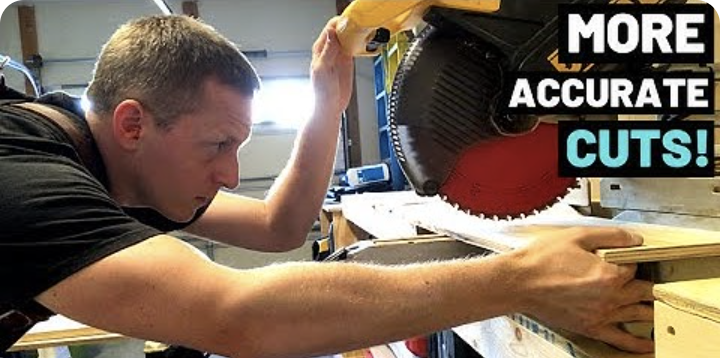
When it comes to woodworking, accuracy is an essential part of the process. Luckily, there are many tools available to help you become more efficient in your craft. One of these tools is a miter saw. You can use this to ensure that you make perfect cuts with your woodworking. It’s important to understand what to look for when it comes to choosing a miter saw, though.
Table saw vs miter saw
When you are starting a woodworking project, you need to consider the type of saw you need. There are two primary types of saws: table saws and miter saws. They both have their benefits, but there are differences between the two.
Table saws are great for making precision cuts. However, they are a bit more cumbersome than miter saws. Also, they have a higher error rate. This can be a problem for a beginner.
Miter saws are less common than table saws, but they offer more versatility. For example, they can be used for dados and other complex cuts. You can also use a sliding compound miter saw.
One of the main advantages of a miter saw is the fact that you can make crosscuts. These can be very useful if you are working with shorter pieces. Another advantage of a miter saw is that you can adjust the blade’s angle for a more accurate cut.
10 inch vs 12 inch
If you’re looking to get accurate woodworking done, there’s a difference between a 10-inch miter saw and a 12-inch saw. The difference is a factor of blade size. A 12-inch blade is larger than a 10-inch blade, and the blade is more expensive. But if you’re looking for the best value, it’s probably worth going with the 10-inch.
You may be able to get a 10-inch blade for half the price of a 12-inch blade. This is because you can get smaller blades that are more efficient at cutting. They also produce smoother cuts.
However, if you’re doing a lot of work with thicker materials, you might be better off with a 12 inch saw. It’s more powerful, and can handle the larger pieces of material. Moreover, it’s easier to find these types of blades.
A 12-inch blade can be a little bulky and may be difficult to carry around a job site. On the other hand, a 10-inch blade is a more convenient and portable choice. In addition, it costs less to sharpen.
T-square miter gauges
If you are interested in accurate woodworking with your miter saw, you need to know how to set up a miter gauge. The miter gauge is a tool that allows you to make square crosscuts. It looks like a fancy protractor attached to your table saw.
Miter gauges can range from budget models for basic joinery to high-precision devices for fine furniture making. However, the best model depends on the kind of work you are doing. For example, if you are cutting a lot of lumber, you will need a miter gauge that can make precise angles.
Most table saws come with a built-in miter gauge. If your table does not, you can buy a model on the secondary market. But you should remember that miter gauges are more expensive than standard table saws.
A miter gauge is a simple device that connects to your table saw and acts as a guide for your workpiece. When using a miter gauge, you will need to adjust the angle of the saw blade and the miter gauge to align your workpiece with the gauge. You can find instructional videos to help you with this process.
Safety precautions
If you’re new to using miter saws for woodworking, there are many safety precautions you need to know. These tips will help you to cut accurate wood and avoid accidents.
One of the most important miter saw safety tips is to keep your hands at least six inches away from the blade. This prevents kickback, which can cause injuries. You should also use gloves when cutting wood.
Another tip is to mark the cutting line on the material before you start. This will help you to get an accurate and straight cut. It also keeps the material from shifting during the cut.
Lastly, make sure the saw is properly fastened. It should be clamped to a stable work surface. The guards should be in place and operating correctly.
Aside from keeping your hands safe, you should wear safety goggles. These can be plastic or flexible glass. While they won’t protect you from the glass on the saw, they will protect your eyes from wood dust.