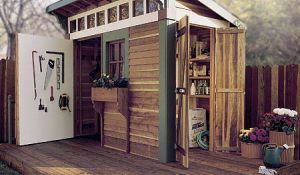
Reclaimed wood offers a multitude of benefits for both the environment and the end consumer. Firstly, using reclaimed wood helps to reduce the demand for newly harvested timber, which in turn helps to preserve forests and natural habitats. By repurposing wood that has already been used in construction or furniture, we can minimize the need for deforestation and contribute to the conservation of our planet’s resources. Additionally, reclaimed wood often has a unique and beautiful patina that cannot be replicated with new wood. This aged appearance adds character and charm to furniture and other items, making them stand out as one-of-a-kind pieces. Furthermore, using reclaimed wood can also be more cost-effective than purchasing new timber, as it is often available at a lower price and can be repurposed into stunning, high-quality pieces.
In addition to its environmental and aesthetic benefits, reclaimed wood is also known for its durability and strength. Many reclaimed wood pieces are made from old-growth timber, which is denser and more stable than newer wood. This means that furniture made from reclaimed wood is often more resilient and long-lasting, making it a sustainable choice for consumers. Furthermore, using reclaimed wood can also contribute to healthier indoor air quality, as it does not release harmful chemicals or off-gas like some new wood products. Overall, the benefits of using reclaimed wood are numerous, making it an excellent choice for both the environment and those seeking high-quality, unique furniture and building materials.
Key Takeaways
- Reclaimed wood adds character and history to your projects, giving them a unique and rustic look.
- Look for reputable suppliers and sources to ensure the quality and authenticity of your reclaimed wood.
- Use appropriate tools and techniques to work with reclaimed wood, as it may be more challenging to manipulate than new wood.
- Draw inspiration from rustic and vintage designs to create timeless furniture pieces with reclaimed wood.
- Properly finish and seal your reclaimed wood furniture to protect it from wear and tear and enhance its natural beauty.
- Regular maintenance, such as cleaning and resealing, can prolong the life of your reclaimed wood furniture.
- Using reclaimed wood helps reduce the demand for new timber and minimizes the environmental impact of deforestation.
Finding Quality Reclaimed Wood for Your Projects
When it comes to finding quality reclaimed wood for your projects, there are several avenues you can explore. One option is to visit salvage yards, where you can often find a wide variety of reclaimed wood from old buildings, barns, and other structures. Salvage yards are a treasure trove of unique and interesting wood pieces, and they can be a great place to start your search for the perfect materials for your project. Another option is to work with reclaimed wood suppliers, who specialize in sourcing and selling high-quality reclaimed wood. These suppliers often have a wide selection of wood species and finishes to choose from, making it easier to find exactly what you need for your project.
In addition to salvage yards and suppliers, you can also consider repurposing old furniture or other items made from wood. For example, old doors, pallets, and shipping crates can all be excellent sources of reclaimed wood for your projects. By thinking creatively and keeping an open mind, you can find quality reclaimed wood in unexpected places. Finally, if you have the time and resources, you can also consider deconstructing old buildings or structures yourself to salvage the wood. This can be a more labor-intensive option, but it can also be incredibly rewarding to personally source the materials for your project. Overall, there are many options for finding quality reclaimed wood, so take the time to explore different avenues and find the perfect materials for your next project.
Tools and Techniques for Working with Reclaimed Wood
Working with reclaimed wood requires some special tools and techniques to ensure that you achieve the best results. One of the most important tools for working with reclaimed wood is a metal detector, which can help you locate any hidden nails or other metal objects in the wood. This is crucial for preventing damage to your tools and ensuring that your finished piece is free from metal debris. Additionally, a good quality planer is essential for smoothing out rough surfaces and removing any imperfections in the wood. A planer can help you achieve a smooth and even finish on your reclaimed wood pieces, making them look polished and professional.
Another important technique for working with reclaimed wood is proper sanding and finishing. Reclaimed wood often has a weathered or rough surface, so it’s important to invest in high-quality sandpaper and sanding tools to smooth out the wood before finishing. Additionally, choosing the right finish for your reclaimed wood project is crucial for achieving the desired look and protecting the wood from damage. Whether you prefer a natural oil finish or a protective varnish, taking the time to properly finish your reclaimed wood pieces will ensure that they look beautiful and last for years to come. Overall, working with reclaimed wood requires attention to detail and the right tools and techniques, but the results are well worth the effort.
Design Inspiration for Rustic Furniture Pieces
Rustic furniture made from reclaimed wood offers a timeless and charming aesthetic that can add warmth and character to any space. When it comes to design inspiration for rustic furniture pieces, there are countless options to consider. One popular choice is farmhouse-style tables and benches, which are often made from thick, weathered planks of reclaimed wood. These pieces have a rugged yet inviting look that is perfect for family gatherings and casual dining. Another classic rustic furniture piece is the barn door, which can be repurposed from old barn wood into a stunning sliding door for a home or office space.
In addition to these classic options, there are also many creative ways to use reclaimed wood in furniture design. For example, you can create unique shelving units, bed frames, or even lighting fixtures using reclaimed wood. The natural beauty of the wood adds an organic element to these pieces, making them stand out as focal points in any room. Furthermore, incorporating metal accents or hardware into your rustic furniture designs can add an industrial edge that complements the ruggedness of the reclaimed wood. Ultimately, the possibilities for design inspiration with rustic furniture pieces are endless, so take the time to explore different styles and ideas to find the perfect look for your space.
Finishing and Sealing Reclaimed Wood Furniture
Finishing and sealing reclaimed wood furniture is an important step in the construction process that helps to protect the wood and enhance its natural beauty. One popular option for finishing reclaimed wood furniture is natural oils, such as linseed oil or tung oil. These oils penetrate the wood to bring out its natural color and grain patterns while providing a protective barrier against moisture and wear. Another option is to use a clear varnish or polyurethane finish, which creates a durable layer of protection on the surface of the wood. This type of finish is ideal for furniture that will be used frequently or exposed to moisture, as it provides excellent resistance to scratches and stains.
In addition to choosing the right finish for your reclaimed wood furniture, it’s also important to seal any cracks or gaps in the wood to prevent moisture from seeping in. Using a high-quality wood filler or epoxy resin can help to reinforce the structural integrity of the piece while creating a smooth surface for finishing. Furthermore, adding a wax or polish after finishing can help to enhance the luster of the wood and provide an extra layer of protection against everyday wear and tear. Overall, taking the time to properly finish and seal your reclaimed wood furniture will ensure that it looks beautiful and lasts for years to come.
Tips for Maintaining Reclaimed Wood Furniture

Maintaining reclaimed wood furniture is essential for preserving its beauty and ensuring its longevity. One important tip for maintaining reclaimed wood furniture is to regularly dust and clean it with a soft cloth or brush to remove any dirt or debris that can accumulate over time. Additionally, using a mild soap and water solution can help to gently clean the surface of the wood without causing damage. It’s important to avoid harsh chemical cleaners or abrasive materials when cleaning reclaimed wood, as these can strip away the natural patina and finish of the wood.
Another important tip for maintaining reclaimed wood furniture is to protect it from direct sunlight and extreme temperatures. Prolonged exposure to sunlight can cause the color of the wood to fade over time, while extreme temperatures can cause warping or cracking. Using window treatments or placing furniture away from direct sunlight can help to preserve its appearance. Additionally, using coasters or placemats under glasses and hot dishes can help to prevent water rings or heat damage on tabletops made from reclaimed wood. By taking these simple steps to care for your reclaimed wood furniture, you can ensure that it remains beautiful and functional for years to come.
The Environmental Impact of Using Reclaimed Wood
Using reclaimed wood has a positive environmental impact by reducing the demand for newly harvested timber and minimizing waste. By repurposing old wood from buildings, barns, and other structures, we can help to conserve natural resources and reduce the need for deforestation. This in turn helps to preserve forests and natural habitats while mitigating the environmental impact of logging activities. Additionally, using reclaimed wood helps to divert waste from landfills by giving new life to materials that would otherwise be discarded. This reduces the amount of waste that ends up in landfills and contributes to a more sustainable approach to resource management.
Furthermore, using reclaimed wood also helps to reduce carbon emissions by minimizing the energy-intensive processes involved in harvesting, processing, and transporting new timber. By using existing materials rather than creating new ones, we can lower our carbon footprint and contribute to a more eco-friendly approach to construction and manufacturing. Additionally, using reclaimed wood supports sustainable forestry practices by promoting responsible resource management and conservation efforts. Overall, the environmental impact of using reclaimed wood is significant and far-reaching, making it an important choice for those seeking sustainable building materials and furniture options.
Furthermore, using reclaimed wood also helps to reduce carbon emissions by minimizing the energy-intensive processes involved in harvesting, processing, and transporting new timber. By using existing materials rather than creating new ones, we can lower our carbon footprint and contribute to a more eco-friendly approach to construction and manufacturing. Additionally, using reclaimed wood supports sustainable forestry practices by promoting responsible resource management and conservation efforts. Overall, the environmental impact of using reclaimed wood is significant and far-reaching, making it an important choice for those seeking sustainable building materials and furniture options. Reclaimed wood not only reduces waste but also helps to preserve natural resources for future generations.
Looking to master the art of woodworking and create stunning pieces with reclaimed wood? Check out this insightful article on Minwax Woodworking plans: Secrets to Mastering Woodworking. It’s filled with valuable tips and techniques to help you elevate your woodworking skills and create beautiful, rustic furniture pieces using reclaimed wood. Whether you’re a beginner or an experienced woodworker, this article is a must-read for anyone passionate about crafting with wood.
FAQs
What is reclaimed wood?
Reclaimed wood is wood that has been salvaged from old buildings, barns, and other structures, and then repurposed for use in new construction or furniture making.
Why is reclaimed wood used for crafting furniture?
Reclaimed wood is used for crafting furniture because it is environmentally friendly, has a unique and rustic appearance, and often has a rich history and character that adds to the appeal of the finished piece.
What are the benefits of using reclaimed wood for furniture making?
The benefits of using reclaimed wood for furniture making include reducing the demand for new timber, preventing old wood from going to waste, and creating one-of-a-kind pieces with a story to tell.
How is reclaimed wood prepared for use in furniture making?
Reclaimed wood is typically cleaned, de-nailed, and inspected for quality before being milled and crafted into furniture pieces. This process helps to ensure that the wood is safe and suitable for use in furniture making.
What types of furniture can be crafted from reclaimed wood?
Reclaimed wood can be used to craft a wide variety of furniture pieces, including tables, chairs, bed frames, cabinets, and shelving units. Its versatility makes it a popular choice for many different types of furniture.