Wood is a versatile and widely used material in construction, carpentry, and woodworking. It is important to understand the properties of wood in order to work with it safely and effectively. One of the key properties of wood is its grain, which refers to the direction of the wood fibers. Understanding the grain is crucial when cutting and shaping wood, as cutting against the grain can result in splintering and rough edges. Additionally, different types of wood have varying levels of hardness, density, and moisture content, which can affect how they are worked with. For example, hardwoods like oak and maple are denser and harder to work with than softwoods like pine and cedar. It is important to take these factors into consideration when selecting the appropriate tools and techniques for working with different types of wood.
Another important property of wood is its susceptibility to moisture and temperature changes. Wood can expand and contract with changes in humidity and temperature, which can affect the stability and integrity of a project. It is important to acclimate wood to its environment before working with it, as well as to use appropriate joinery techniques to account for potential movement. Understanding these properties of wood is essential for ensuring the quality and longevity of woodworking projects.
Wood also has natural defects such as knots, cracks, and warping that can affect its strength and appearance. It is important to inspect wood for these defects before working with it and to take them into consideration when planning a project. By understanding the properties of wood, woodworkers can make informed decisions about how to work with different types of wood and produce high-quality, durable products.
Key Takeaways
- Wood is a natural material with unique properties such as grain, density, and moisture content that affect its workability and strength.
- Personal protective equipment (PPE) such as gloves, goggles, and dust masks should be worn to protect against splinters, dust, and other hazards.
- Proper tool handling and maintenance, including keeping blades sharp and using tools for their intended purpose, is essential for safe and efficient woodworking.
- A safe work environment and organization, including clear pathways and proper storage of materials, can help prevent accidents and injuries.
- Fire safety precautions such as keeping a fire extinguisher nearby and avoiding the accumulation of sawdust and other flammable materials are crucial in a woodworking shop.
- Handling and disposing of wood scraps and waste should be done carefully to prevent injuries and environmental damage.
- Emergency preparedness and first aid training are important for all woodworkers to handle potential accidents and injuries in the workshop.
Personal protective equipment (PPE)
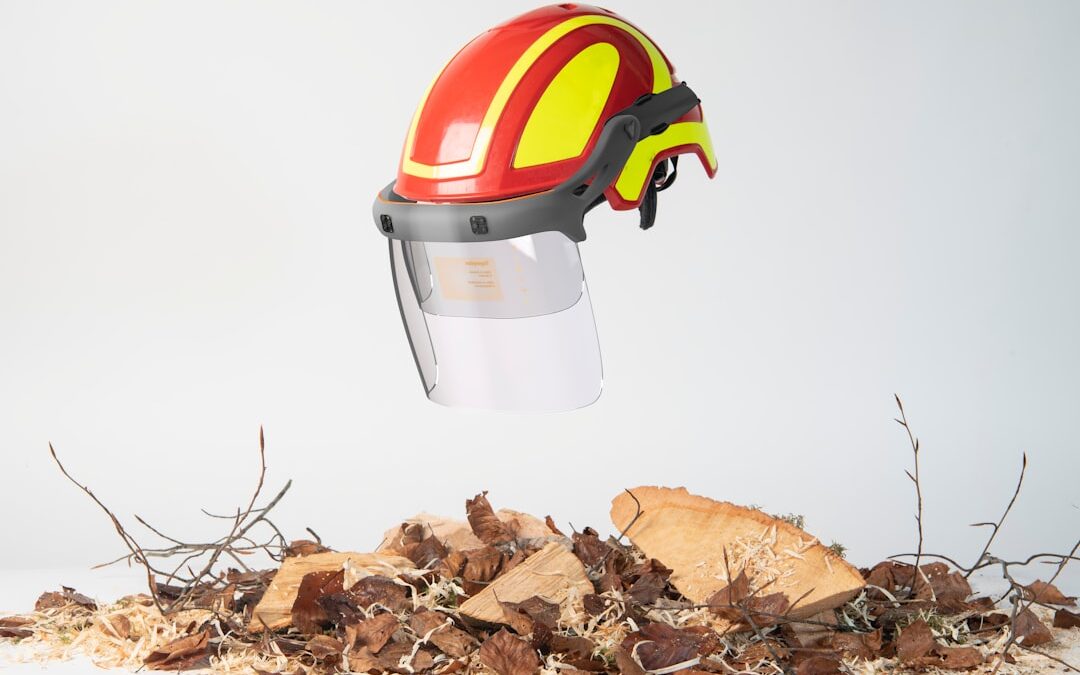
Personal protective equipment (PPE) is essential for ensuring the safety of woodworkers. When working with wood, there are several potential hazards that PPE can help protect against. One of the most important pieces of PPE for woodworkers is eye protection. Woodworking activities such as cutting, sanding, and drilling can produce flying debris that can cause serious eye injuries. Safety glasses or goggles should be worn at all times to protect against these hazards.
In addition to eye protection, respiratory protection is also important when working with wood. Wood dust can be harmful if inhaled, especially when working with hardwoods or engineered wood products. Dust masks or respirators should be worn to prevent inhalation of wood particles and protect against respiratory issues.
Another important piece of PPE for woodworkers is hearing protection. Woodworking tools such as saws, routers, and sanders can produce high levels of noise that can damage hearing over time. Earplugs or earmuffs should be worn to protect against these noise hazards.
Finally, it is important for woodworkers to wear appropriate clothing and footwear to protect against cuts, scrapes, and puncture wounds. Long sleeves, long pants, and sturdy work boots can help prevent injuries from sharp tools and rough wood surfaces. By wearing the appropriate PPE, woodworkers can protect themselves from the potential hazards associated with woodworking activities.
Proper tool handling and maintenance
Proper tool handling and maintenance are essential for ensuring the safety and effectiveness of woodworking activities. When using hand tools or power tools, it is important to handle them with care and attention to detail. Hand tools should be kept sharp and in good condition to prevent slipping and ensure clean cuts. Power tools should be used according to manufacturer instructions and inspected regularly for any signs of wear or damage.
In addition to proper handling, regular maintenance of tools is crucial for their longevity and performance. Hand tools such as chisels, planes, and saws should be sharpened regularly to maintain their cutting edge. Power tools such as table saws, routers, and drills should be cleaned and lubricated as recommended by the manufacturer to prevent malfunctions and ensure smooth operation.
Proper storage of tools is also important for their maintenance. Hand tools should be stored in a dry place to prevent rusting, while power tools should be stored in a clean and dust-free environment to prevent damage to their internal components.
By handling tools with care, performing regular maintenance, and storing them properly, woodworkers can ensure that their tools are safe to use and will perform at their best.
Safe work environment and organization
Creating a safe work environment is essential for preventing accidents and injuries in woodworking activities. One of the key aspects of a safe work environment is organization. Keeping a clean and organized workspace can help prevent tripping hazards, reduce clutter, and make it easier to find and use tools and materials.
In addition to organization, it is important to maintain a well-lit workspace to ensure visibility and prevent accidents. Adequate lighting can help woodworkers see their work clearly and identify potential hazards such as sharp tools or uneven surfaces.
Another important aspect of a safe work environment is proper ventilation. Woodworking activities can produce dust, fumes, and other airborne particles that can be harmful if inhaled. It is important to have good ventilation in the workspace to remove these contaminants from the air and maintain a healthy working environment.
Finally, it is important to have clear pathways and exits in the workspace to ensure easy access in case of an emergency. By creating a safe work environment through organization, lighting, ventilation, and clear pathways, woodworkers can reduce the risk of accidents and injuries.
Fire safety precautions
Woodworking activities involve several potential fire hazards that must be addressed through fire safety precautions. One of the primary fire hazards in woodworking is combustible dust. Wood dust produced during cutting, sanding, and shaping activities can accumulate in the air and on surfaces, creating a potential explosion hazard. It is important to regularly clean up wood dust using a vacuum or dust collection system to prevent its buildup.
In addition to combustible dust, woodworking activities also involve the use of flammable finishes, solvents, and adhesives that can pose fire hazards if not handled properly. It is important to store these materials in a well-ventilated area away from heat sources and open flames, as well as to use them according to manufacturer instructions.
Another important fire safety precaution in woodworking is the proper handling and disposal of oily rags. Oily rags used for applying finishes or cleaning up spills can spontaneously combust if not handled properly. It is important to store oily rags in a fireproof container or dispose of them in a safe manner to prevent fire hazards.
By implementing fire safety precautions such as cleaning up combustible dust, handling flammable materials properly, and disposing of oily rags safely, woodworkers can reduce the risk of fires in their workspace.
Handling and disposing of wood scraps and waste

Wood scraps and waste are inevitable byproducts of woodworking activities that must be handled and disposed of properly. When working with wood, it is important to have a designated area for collecting scraps and waste to prevent clutter in the workspace. This area should be kept clean and organized to facilitate easy disposal.
In addition to organization, it is important to separate wood scraps from other types of waste such as plastic packaging or metal fasteners. This makes it easier to recycle or dispose of wood scraps in an environmentally friendly manner.
When disposing of wood scraps, it is important to follow local regulations regarding waste disposal. In some areas, wood scraps can be recycled or composted, while in others they may need to be disposed of in a landfill or through a designated waste collection service.
By handling and disposing of wood scraps and waste properly, woodworkers can maintain a clean and organized workspace while minimizing their environmental impact.
Emergency preparedness and first aid
Despite taking all necessary precautions, accidents can still occur in woodworking activities. It is important for woodworkers to be prepared for emergencies by having a well-stocked first aid kit on hand at all times. The first aid kit should contain basic supplies such as bandages, gauze pads, adhesive tape, antiseptic wipes, scissors, tweezers, and gloves.
In addition to having a first aid kit, it is important for woodworkers to have a plan in place for responding to emergencies such as injuries or fires. This plan should include procedures for contacting emergency services, as well as identifying emergency exits and evacuation routes from the workspace.
It is also important for woodworkers to receive training in first aid and CPR so that they are prepared to provide assistance in case of an emergency. By being prepared for emergencies with a well-stocked first aid kit, an emergency response plan, and training in first aid and CPR, woodworkers can ensure a safe working environment for themselves and others.
In conclusion, understanding the properties of wood is essential for working with it effectively and safely. Personal protective equipment (PPE) such as eye protection, respiratory protection, hearing protection, and appropriate clothing is crucial for protecting against potential hazards in woodworking activities. Proper tool handling and maintenance are essential for ensuring the safety and effectiveness of woodworking activities. Creating a safe work environment through organization, lighting, ventilation, and clear pathways can help prevent accidents and injuries. Fire safety precautions such as cleaning up combustible dust, handling flammable materials properly, and disposing of oily rags safely are important for reducing the risk of fires in woodworking activities. Handling and disposing of wood scraps and waste properly helps maintain a clean workspace while minimizing environmental impact. Finally, being prepared for emergencies with a well-stocked first aid kit, an emergency response plan, and training in first aid and CPR ensures a safe working environment for woodworkers.
When working on outdoor wood projects, it’s crucial to prioritize safety at all times. From wearing protective gear to using the right tools, following important safety practices can prevent accidents and injuries. For more tips on woodworking safety and to discover craft show secrets, check out the article “Craft Show Secrets: How to Showcase Your Woodworking Crafts” on CleverWoodProjects.org. This insightful piece offers valuable insights for woodworkers looking to showcase their creations and ensure a successful display at craft shows.
FAQs
What are some important safety practices to follow while working on outdoor wood projects?
Some important safety practices to follow while working on outdoor wood projects include wearing appropriate personal protective equipment such as safety goggles, gloves, and hearing protection, using sharp and well-maintained tools, and keeping the work area clean and organized to prevent tripping hazards.
Why is it important to wear personal protective equipment while working on outdoor wood projects?
Wearing personal protective equipment such as safety goggles, gloves, and hearing protection is important while working on outdoor wood projects to protect yourself from potential hazards such as flying wood chips, splinters, and loud noise from power tools.
How can I ensure the safety of my outdoor wood project work area?
You can ensure the safety of your outdoor wood project work area by keeping it clean and organized, removing any tripping hazards, and ensuring proper lighting and ventilation. It is also important to keep children and pets away from the work area to prevent accidents.
What should I do to prevent injuries while using power tools for outdoor wood projects?
To prevent injuries while using power tools for outdoor wood projects, it is important to read and follow the manufacturer’s instructions, wear appropriate personal protective equipment, and ensure that the tools are in good working condition. Additionally, always unplug power tools when not in use and never leave them unattended.