
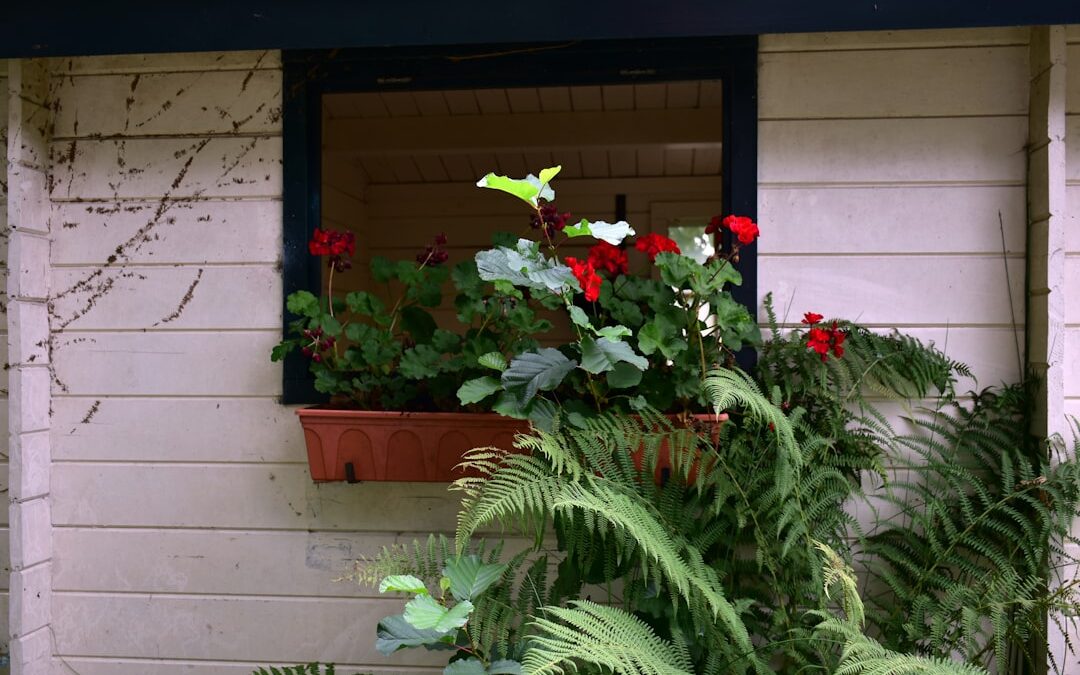
Wooden planters are a popular choice for gardeners looking to add a touch of natural beauty to their outdoor space. Not only do they provide a functional way to grow plants, but they also add a rustic and charming element to any garden design. Whether you have a small balcony or a sprawling backyard, wooden planters can be customized to fit your space and style. In this article, we will explore the benefits of using wooden planters in your garden design and provide step-by-step instructions on how to build your own.
One of the main benefits of using wooden planters is their versatility. They can be easily customized to fit any size or shape, making them suitable for gardens of all sizes. Wooden planters can also be painted or stained to match your existing outdoor decor, allowing you to create a cohesive and visually appealing garden design. Additionally, wood is a natural material that blends seamlessly with the surrounding environment, creating a harmonious and organic feel in your garden.
Key Takeaways
- Wooden planters are a great addition to any garden or outdoor space.
- Choosing the right type of wood is important for the longevity of your planter.
- Measuring and cutting the wood accurately is crucial for a sturdy planter.
- Sanding and finishing your planter will give it a professional and polished look.
- Adding drainage holes is essential for proper water flow and plant health.
Choosing the Right Type of Wood for Your Planter
When choosing the type of wood for your planter, it is important to consider its durability and resistance to rot. Cedar and redwood are two popular choices for wooden planters due to their natural resistance to decay and insect damage. These types of wood are also known for their beautiful grain patterns and rich color, adding an aesthetic appeal to your garden.
Another option is pressure-treated lumber, which has been treated with chemicals to increase its resistance to rot and decay. While pressure-treated lumber is more affordable than cedar or redwood, it may not have the same natural beauty and longevity.
Pine is another common choice for wooden planters, as it is readily available and affordable. However, pine is not as durable as cedar or redwood and may require regular maintenance to prevent rotting.
Measuring and Cutting the Wood for Your Planter
Before you start building your planter, it is important to measure and cut the wood accurately to ensure a proper fit. Start by determining the desired dimensions of your planter, taking into consideration the size of the plants you will be growing.
Once you have your measurements, use a saw to cut the wood according to your specifications. It is important to make precise and straight cuts to ensure that the pieces fit together properly. Use a measuring tape and a square to ensure accuracy and precision.
Assembling the Pieces of Your Planter
Once you have cut all the pieces for your planter, it is time to assemble them. Start by laying out the bottom piece and attaching the side pieces using screws or nails. Make sure to align the edges properly and secure them tightly to ensure that your planter is sturdy and secure.
Next, attach the remaining side pieces, making sure that they are flush with the bottom piece. Use clamps or weights to hold the pieces in place while you secure them.
Finally, attach the front and back pieces of your planter, making sure that they are aligned with the side pieces. Secure them tightly using screws or nails.
Sanding and Finishing Your Planter for a Polished Look
After assembling your planter, it is important to sand it to achieve a smooth and polished look. Start by using coarse-grit sandpaper to remove any rough edges or splinters. Then, switch to finer-grit sandpaper to achieve a smooth finish.
Once you have sanded your planter, you can choose to apply a finish or leave it natural. Applying a finish will not only enhance the appearance of your planter but also protect it from moisture and UV damage. You can choose between paint, stain, or a clear sealant depending on your desired look.
Adding Drainage Holes to Your Planter for Proper Water Flow
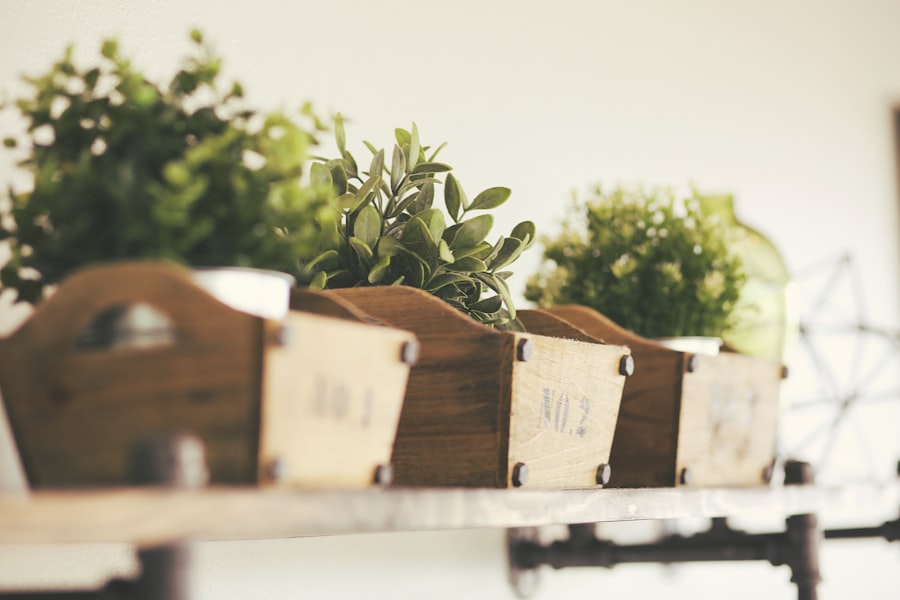
Proper drainage is essential for the health of your plants, as it prevents water from pooling and causing root rot. To add drainage holes to your planter, start by marking the desired locations on the bottom piece. Use a drill with a bit that is slightly larger than the diameter of the holes you want to create.
Drill the holes evenly spaced across the bottom piece, making sure not to drill too close to the edges. This will allow excess water to drain out of the planter, preventing waterlogged soil and promoting healthy plant growth.
Choosing the Right Plants for Your Planter
When choosing plants for your wooden planter, it is important to consider their size, growth habits, and sunlight requirements. Some plants that are suitable for wooden planters include herbs, flowers, vegetables, and small shrubs.
Herbs like basil, rosemary, and thyme are great choices for wooden planters as they are compact and can be easily harvested for culinary use. Flowers like petunias, marigolds, and pansies add a pop of color to your garden design. Vegetables like lettuce, tomatoes, and peppers can also be grown in wooden planters, providing you with fresh produce right at your doorstep.
Maintaining and Caring for Your Wooden Planter
To ensure the longevity of your wooden planter, it is important to maintain and care for it properly. Regularly inspect your planter for any signs of rot or decay and replace any damaged pieces immediately. It is also important to keep your planter clean by removing any debris or dead plants.
To prevent rot and decay, it is recommended to apply a waterproof sealant or preservative to your planter every year or two. This will protect the wood from moisture and UV damage, extending its lifespan.
Decorating Your Planter with Paint or Stain
One way to enhance the appearance of your wooden planter is by decorating it with paint or stain. Painting your planter allows you to add a pop of color and create a focal point in your garden design. Staining, on the other hand, enhances the natural beauty of the wood and gives it a more rustic and aged look.
When choosing a color or finish for your planter, consider the overall aesthetic of your garden design. Opt for colors that complement the surrounding plants and outdoor decor. It is also important to choose a paint or stain that is specifically formulated for outdoor use to ensure durability and longevity.
Creative Ideas for Using Wooden Planters in Your Garden Design
Wooden planters offer endless possibilities for creative garden designs. Here are a few ideas to inspire you:
1. Vertical Garden: Attach multiple wooden planters to a wall or fence to create a vertical garden. This is a great option for small spaces or urban gardens.
2. Herb Garden: Create a dedicated herb garden by planting different herbs in individual wooden planters. This allows you to easily access and harvest fresh herbs for cooking.
3. Tiered Planter: Build a tiered planter by stacking multiple wooden planters of different sizes. This adds visual interest and allows you to grow a variety of plants in one space.
4. Flower Bed Border: Use wooden planters as borders for your flower beds to create a defined and cohesive look.
5. Hanging Planters: Attach hooks to your wooden planters and hang them from a pergola or trellis. This adds height and dimension to your garden design.
Wooden planters are a versatile and beautiful addition to any garden design. They provide a functional way to grow plants while adding a rustic and charming element to your outdoor space. By choosing the right type of wood, measuring and cutting accurately, assembling securely, sanding and finishing properly, adding drainage holes, choosing suitable plants, maintaining and caring for your planter, decorating with paint or stain, and incorporating creative ideas, you can create a stunning and personalized garden design. So why not give it a try and build your own wooden planters for your garden?
If you’re interested in crafting beautiful wooden planters for your gardening needs, you might also want to check out this informative article on the benefits of owning or operating a CNC router shop. A CNC router can greatly enhance your woodworking projects by providing precision and efficiency. To learn more about how a CNC router can elevate your woodworking skills, click here: https://cleverwoodprojects.org/what-are-the-benefits-of-owning-or-operating-a-cnc-router-shop/. Additionally, if you’re looking for tips and techniques to create high-quality woodwork, this article on crafting quality woodwork is a must-read: https://cleverwoodprojects.org/crafting-quality-woodwork/. And for more inspiration on simple wood projects that you can do at home, be sure to watch this official video: https://cleverwoodprojects.org/wood-projects-for-home-simple-wood-projects-official-video/. Happy woodworking!
FAQs
What is a wooden planter?
A wooden planter is a container made of wood that is used for planting and growing plants, flowers, and vegetables.
What are the benefits of using wooden planters for gardening?
Wooden planters are durable, eco-friendly, and provide a natural look to your garden. They also allow for better drainage and aeration for your plants.
What type of wood is best for making wooden planters?
Cedar, redwood, and teak are the best types of wood for making wooden planters as they are naturally resistant to rot and decay.
What tools do I need to make a wooden planter?
You will need a saw, drill, screws, sandpaper, and a measuring tape to make a wooden planter.
What are the steps to make a wooden planter?
The steps to make a wooden planter include measuring and cutting the wood, drilling holes for drainage, sanding the edges, and assembling the planter using screws.
How do I maintain my wooden planter?
To maintain your wooden planter, you should regularly water your plants, remove any dead leaves or debris, and apply a protective coating of sealant or stain to prevent rot and decay.
Can I use a wooden planter for indoor gardening?
Yes, you can use a wooden planter for indoor gardening as long as it has proper drainage and is not exposed to excessive moisture.


