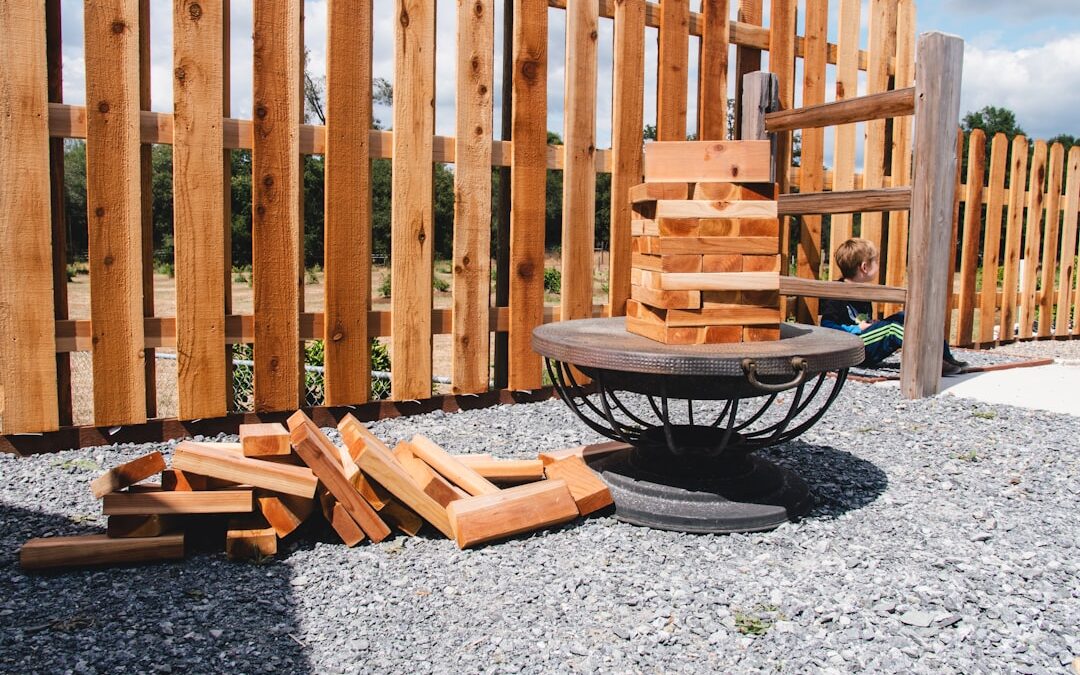
Wood fences have long been a popular choice for homeowners due to their beauty and durability. A well-built wood fence can enhance the appearance of your property while providing privacy and security. Whether you are looking to enclose your backyard, create a boundary around your garden, or add a decorative element to your landscape, a wood fence can be the perfect solution.
One of the main reasons why wood fences are so popular is their natural beauty. Wood has a warm and inviting aesthetic that can complement any style of home or landscape. Additionally, wood fences can be customized to fit your specific needs and preferences. You can choose from a variety of styles, such as picket, privacy, or lattice, and select the type of wood that best suits your taste.
In addition to their visual appeal, wood fences are also known for their durability. When properly maintained, a wood fence can last for many years. With regular maintenance and occasional repairs, you can enjoy the beauty and functionality of your wood fence for decades to come.
Key Takeaways
- Long-lasting wood fences are a popular choice for their durability and natural beauty.
- Choosing the right wood for your fence is important for both privacy and aesthetics.
- Proper preparation of fence posts is crucial for ensuring a sturdy and long-lasting fence.
- Building a solid foundation for your fence is essential to prevent sagging and leaning.
- Techniques for installing fence panels include using screws instead of nails and leaving room for expansion and contraction.
Choosing the Right Wood for Privacy and Aesthetics
When it comes to choosing the right wood for your fence, there are several factors to consider. Different types of wood have different characteristics in terms of durability, resistance to rot and insects, and overall appearance.
Cedar is one of the most popular choices for wood fences due to its natural resistance to rot and insects. It has a beautiful reddish-brown color that can be left untreated or stained to enhance its appearance. Cedar is also known for its stability, which makes it less likely to warp or shrink over time.
Another popular option is pressure-treated pine. This type of wood has been chemically treated to resist rot and insects. Pressure-treated pine is more affordable than cedar and can be stained or painted to achieve the desired look.
Redwood is another excellent choice for a long-lasting wood fence. It is naturally resistant to rot and insects and has a rich, reddish-brown color. Redwood is known for its stability and durability, making it a great option for areas with harsh weather conditions.
When choosing the right wood for your fence, it is important to consider your specific needs and preferences. Factors such as budget, maintenance requirements, and desired aesthetics should all be taken into account.
Proper Preparation of the Fence Posts
Properly setting fence posts is crucial for the stability and longevity of your wood fence. The posts provide the foundation for the entire structure, so it is important to take the time to prepare them correctly.
Before you begin setting the posts, you will need to gather the necessary tools and materials. These may include a post hole digger or auger, a level, a tape measure, gravel or concrete mix, and a shovel. It is also a good idea to have some stakes and string on hand to help you mark the location of the posts.
Once you have gathered your tools and materials, you can start preparing the fence posts. Begin by marking the location of each post using stakes and string. Make sure the posts are evenly spaced and aligned properly.
Next, dig the holes for the posts using a post hole digger or auger. The depth of the holes will depend on the height of your fence and local building codes. As a general rule, the holes should be at least one-third of the total length of the post.
After digging the holes, fill them with gravel or concrete mix to provide stability for the posts. If using concrete mix, follow the manufacturer’s instructions for mixing and pouring. Make sure the posts are level and plumb before allowing the concrete to set.
Building a Solid Foundation for Your Fence
Building a solid foundation is essential for ensuring a sturdy wood fence that will withstand the test of time. There are several techniques you can use to create a strong foundation for your fence.
One technique is to use pressure-treated lumber for the bottom rails of your fence. Pressure-treated lumber is resistant to rot and insects, making it an ideal choice for the part of the fence that will be in contact with the ground. By using pressure-treated lumber for the bottom rails, you can help prevent moisture damage and extend the life of your fence.
Another technique is to use concrete footings for the fence posts. Concrete footings provide added stability and prevent the posts from shifting or sinking over time. To create concrete footings, dig a hole below the frost line and fill it with concrete mix. Place the post in the hole and use a level to ensure it is plumb. Allow the concrete to set before continuing with the installation of the fence panels.
It is also important to properly space and secure the fence posts. The spacing will depend on the type of fence you are installing and local building codes. As a general rule, posts should be spaced no more than 8 feet apart for a standard wood fence. Use a level and string to ensure that the posts are aligned properly and install braces if necessary to keep them in place.
By using these techniques, you can create a solid foundation for your wood fence that will provide stability and longevity.
Techniques for Installing Fence Panels
Once you have prepared the fence posts and built a solid foundation, you can start installing the fence panels. The process may vary depending on the type of fence you are installing, but there are some general steps you can follow.
First, measure the distance between two adjacent posts to determine the width of each fence panel. Subtract any gaps or spaces that you want between the panels to get the actual width of each panel.
Next, attach one end of a panel to one of the posts using screws or nails. Make sure the panel is level and plumb before securing it in place. Use a level and a tape measure to ensure that the panel is straight and evenly spaced from the adjacent panels.
Continue attaching the panels to the posts, making sure to maintain a consistent height and spacing. Use a level and tape measure to check the alignment and adjust as necessary. If you are installing a privacy fence, you may want to attach the panels to each other using screws or nails for added stability.
Once all the panels are installed, check for any gaps or spaces between them and make any necessary adjustments. Fill any gaps with additional panels or trim pieces to ensure privacy and security.
Enhancing Privacy with Lattice and Trellis
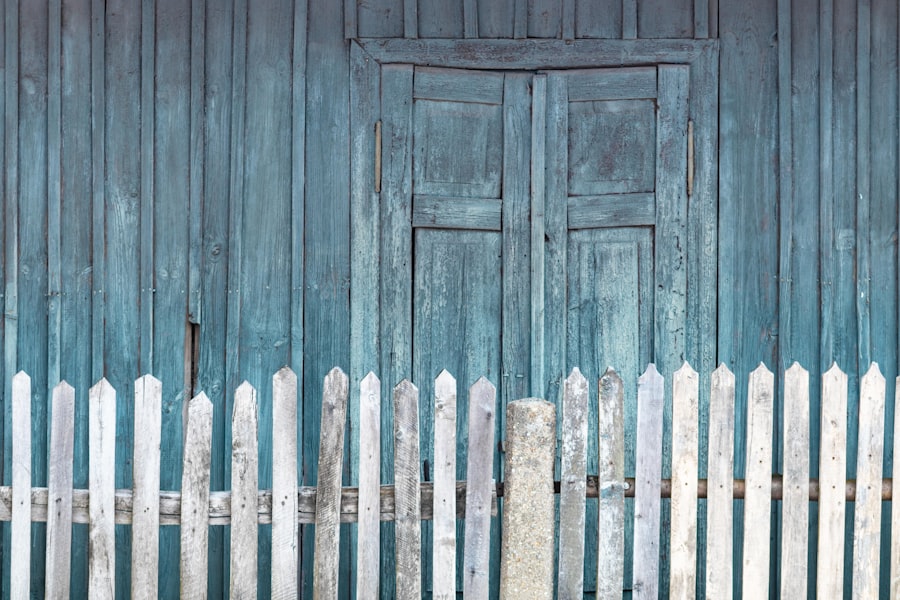
If you are looking to enhance the privacy of your wood fence, lattice and trellis can be great additions. These elements can add visual interest to your fence while providing additional coverage.
Lattice is a decorative panel that can be attached to the top of your fence or used as a standalone section. It is made up of crisscrossed strips of wood or vinyl that create small openings. Lattice can be used to create a sense of privacy without completely blocking the view. It can also be used as a support for climbing plants, adding a touch of greenery to your fence.
Trellis is similar to lattice but typically has larger openings. It can be attached to the top of your fence or used as a standalone section. Trellis is often used as a support for climbing plants, creating a beautiful and natural privacy screen. It can also be used to create separate sections within your fence, such as an area for gardening or outdoor seating.
When incorporating lattice or trellis into your fence design, it is important to choose materials that are durable and weather-resistant. Wood lattice and trellis can be stained or painted to match your fence, while vinyl options are available in a variety of colors.
Adding Decorative Elements to Your Fence
In addition to enhancing privacy, you can also add decorative elements to your wood fence to enhance its appearance. There are many creative ways to personalize your fence and make it a unique focal point in your landscape.
One option is to add decorative post caps. Post caps are available in a variety of styles and materials, such as wood, metal, or vinyl. They can be simple and understated or ornate and intricate, depending on your preference. Post caps not only add visual interest to your fence but also protect the tops of the posts from moisture damage.
Another option is to incorporate decorative trim or molding into your fence design. Trim and molding can be used to create borders or patterns on the fence panels, adding a touch of elegance and sophistication. They can be painted or stained to match the color of your fence or left natural for a rustic look.
You can also consider adding decorative hardware, such as hinges, latches, or handles, to your fence gate. These small details can make a big difference in the overall appearance of your fence and give it a custom look.
When adding decorative elements to your fence, it is important to choose materials that are durable and weather-resistant. Consider the style and architecture of your home and landscape when selecting decorative elements to ensure a cohesive and harmonious design.
Staining and Sealing for Longevity
To ensure the longevity of your wood fence, it is important to stain and seal it regularly. Staining and sealing not only enhance the appearance of the wood but also protect it from moisture damage, UV rays, and insects.
Staining is the process of applying a colored pigment to the wood surface. It can enhance the natural beauty of the wood while providing protection against fading and discoloration. Stains are available in a variety of colors and finishes, allowing you to achieve the desired look for your fence.
Sealing is the process of applying a protective coating to the wood surface. It creates a barrier that prevents moisture from penetrating the wood and causing rot or decay. Sealing also helps to prevent the growth of mold and mildew and protects the wood from UV rays.
When choosing a stain and sealant for your fence, it is important to consider the type of wood and the climate in your area. Some stains and sealants are specifically formulated for certain types of wood or for use in specific weather conditions. It is also important to follow the manufacturer’s instructions for application and maintenance.
Regular maintenance is key to ensuring the longevity of your stained and sealed wood fence. Depending on the climate and exposure to the elements, you may need to reapply stain and sealant every few years. It is also important to clean the fence regularly to remove dirt, debris, and mildew.
Maintenance and Repair Tips for Wood Fences
To maintain the beauty and durability of your wood fence, it is important to perform regular maintenance and address any issues promptly. Here are some tips for maintaining and repairing your wood fence:
– Clean the fence regularly using a mild detergent and water. Scrub away any dirt, debris, or mildew using a soft brush or sponge. Rinse thoroughly with water and allow the fence to dry completely before applying any stain or sealant.
– Inspect the fence for any signs of damage, such as loose boards, broken pickets, or rotting wood. Replace any damaged or rotted sections as soon as possible to prevent further damage.
– Check the stability of the fence posts regularly. Make sure they are still securely set in the ground and not leaning or wobbling. If necessary, reinforce the posts with additional concrete or braces.
– Trim any vegetation that is growing near or against the fence. Plants can cause moisture buildup and promote rotting if they are in direct contact with the wood.
– Keep an eye out for signs of insect infestation, such as holes or sawdust. If you notice any signs of insects, treat the affected areas with an appropriate insecticide or contact a professional for assistance.
By following these maintenance and repair tips, you can ensure that your wood fence remains beautiful and functional for many years to come.
Enjoying Your Beautiful and Durable Wood Fence
In conclusion, a well-built wood fence can enhance the beauty and functionality of your property. By choosing the right wood, properly preparing the fence posts, building a solid foundation, and installing the fence panels correctly, you can create a sturdy and long-lasting fence.
Incorporating lattice, trellis, and decorative elements can add privacy and visual interest to your fence. Staining and sealing the wood regularly will protect it from moisture damage and UV rays. Performing regular maintenance and addressing any issues promptly will ensure the longevity of your wood fence.
By following these tips and taking care of your wood fence, you can enjoy its beauty and durability for years to come. Whether you are looking to create a private oasis in your backyard or add a decorative element to your landscape, a wood fence can be the perfect addition to your home.
If you’re interested in learning more about woodwork and expanding your skills beyond building fences, you might find this article on “Top Ways to Learn Woodwork” from Clever Wood Projects intriguing. This comprehensive guide offers valuable insights and tips for beginners and experienced woodworkers alike. Whether you’re looking to enhance your privacy and aesthetics with long-lasting wood fences or explore other simple wood projects for your home, this article will provide you with the knowledge and inspiration you need. Check it out here.
FAQs
What are the benefits of building a wood fence?
Wood fences provide privacy, security, and aesthetic appeal to your property. They are also a cost-effective option compared to other fencing materials.
What type of wood is best for building a long-lasting fence?
Cedar and redwood are popular choices for building long-lasting wood fences. They are naturally resistant to rot, decay, and insect damage.
What techniques can be used to enhance the privacy of a wood fence?
Adding height to the fence, using overlapping boards, and installing a lattice or trellis on top of the fence are all effective techniques for enhancing privacy.
How can I maintain the appearance of my wood fence?
Regular cleaning, staining, and sealing can help maintain the appearance of your wood fence. It is also important to trim any nearby vegetation that may cause damage to the fence.
What is the average lifespan of a wood fence?
The lifespan of a wood fence depends on various factors such as the type of wood used, climate, and maintenance. On average, a well-maintained wood fence can last up to 20 years or more.