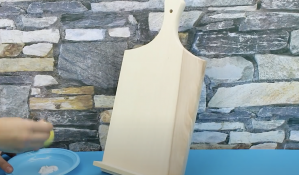
Recycled or upcycled wood refers to the process of taking old or discarded wood and repurposing it for new projects. This can include using wood from old buildings, shipping pallets, furniture, and other objects. The concept of using recycled or upcycled materials has gained significant popularity in recent years due to the growing importance of sustainability in design and construction.
Sustainability is a key consideration in today’s world, as we strive to reduce our impact on the environment and preserve natural resources. By using recycled or upcycled wood, designers and builders can contribute to a more sustainable future. This material not only reduces waste and landfill usage but also minimizes the need for new resources and energy-intensive manufacturing processes.
The use of recycled or upcycled materials has become increasingly popular in the design and construction industry. Many individuals and businesses are recognizing the value of incorporating these materials into their projects. Not only does it align with their sustainability goals, but it also adds a unique character and history to the finished product.
Key Takeaways
- Recycled or upcycled wood is a sustainable and eco-friendly alternative to new wood.
- Using recycled or upcycled wood can reduce waste and save natural resources.
- Types of recycled or upcycled wood include reclaimed wood, salvaged wood, and pallet wood.
- Recycled or upcycled wood can be used creatively in furniture design, flooring, wall treatments, and outdoor projects.
- When sourcing recycled or upcycled wood, it’s important to consider quality, durability, and environmental impact.
Benefits of using recycled or upcycled wood in new projects
There are several benefits to using recycled or upcycled wood in new projects:
1. Reduced environmental impact: By repurposing old wood, we can significantly reduce the demand for new resources and minimize waste. This helps to conserve natural resources, reduce deforestation, and decrease carbon emissions associated with manufacturing new materials.
2. Unique character and history of the wood: Recycled or upcycled wood often carries a story with it. Whether it’s reclaimed from an old barn or salvaged from shipping pallets, each piece has its own unique character and history. This adds a sense of authenticity and charm to the finished product.
3. Cost-effectiveness compared to new materials: In many cases, using recycled or upcycled wood can be more cost-effective than purchasing new materials. This is especially true when sourcing wood from local suppliers or salvaging it from existing structures. Additionally, the durability and longevity of recycled wood can result in long-term cost savings.
4. Supporting local businesses and communities: When using recycled or upcycled wood, you are often supporting local businesses and communities. Many suppliers specialize in sourcing and repurposing old wood, creating jobs and economic opportunities in the process.
Types of recycled or upcycled wood available
There are several types of recycled or upcycled wood available for use in new projects:
1. Reclaimed wood from old buildings and structures: This type of wood is sourced from old barns, factories, warehouses, and other structures that are being demolished or renovated. Reclaimed wood often has a rich patina and unique character due to its age and exposure to the elements.
2. Salvaged wood from shipping pallets and crates: Shipping pallets and crates are often discarded after use, but they can be repurposed into beautiful pieces of furniture or used for flooring and wall treatments. This type of wood is typically more affordable and readily available.
3. Upcycled wood from furniture and other objects: Old furniture, doors, windows, and other objects can be deconstructed and repurposed into new pieces or used for smaller projects like picture frames or shelves. This allows for creative reuse of materials that might otherwise end up in a landfill.
4. Sustainable wood from responsibly managed forests: In addition to using recycled or upcycled wood, it’s also important to consider using sustainably sourced wood from responsibly managed forests. This ensures that the demand for new wood is met in an environmentally responsible manner.
Creative ways to use recycled or upcycled wood in furniture design
Recycled or upcycled wood can be used in a variety of creative ways in furniture design:
1. Mixing and matching different types of wood: By combining different types of recycled or upcycled wood, you can create unique and visually interesting pieces. This can include using reclaimed wood for the tabletop and salvaged wood for the legs or incorporating different wood species for contrasting colors and textures.
2. Incorporating metal or other materials for contrast: To add visual interest and contrast, consider incorporating metal accents or other materials into your furniture design. This can include using salvaged metal legs or frames, or combining wood with glass or stone for a modern and eclectic look.
3. Using wood with unique textures and patterns: Recycled or upcycled wood often has unique textures and patterns that can add character to your furniture design. This can include weathered barn wood with a rustic look or reclaimed hardwood with a rich grain pattern.
4. Creating custom pieces with a story to tell: One of the greatest advantages of using recycled or upcycled wood is the ability to create custom pieces with a story to tell. Whether it’s a dining table made from salvaged floorboards or a bookshelf crafted from old doors, these pieces become conversation starters and cherished heirlooms.
How to incorporate recycled or upcycled wood in flooring and wall treatments
Recycled or upcycled wood can also be used in flooring and wall treatments to add warmth and character to a space:
1. Installing reclaimed wood flooring for a rustic look: Reclaimed wood flooring is a popular choice for those seeking a rustic and authentic look. The aged patina and natural imperfections of the wood create a warm and inviting atmosphere. It can be installed in various patterns, such as herringbone or chevron, to add visual interest.
2. Creating accent walls with salvaged wood planks: Salvaged wood planks can be used to create accent walls that serve as focal points in a room. This can be done by installing the planks horizontally, vertically, or in a pattern such as a herringbone or chevron. The natural variations in color and texture of the wood add depth and visual appeal.
3. Using upcycled wood for wainscoting or paneling: Upcycled wood can be used for wainscoting or paneling to add texture and visual interest to a space. This can be done by installing the wood vertically or horizontally, depending on the desired effect. Upcycled wood with unique patterns or colors can create a one-of-a-kind look.
4. Combining different types of wood for a unique pattern or design: By combining different types of recycled or upcycled wood, you can create a unique pattern or design on your floors or walls. This can be done by mixing different wood species, colors, or textures to create a visually stunning and personalized space.
Ideas for outdoor projects using recycled or upcycled wood

Recycled or upcycled wood can also be used in outdoor projects to create sustainable and visually appealing spaces:
1. Building a deck or patio with reclaimed wood: Reclaimed wood can be used to build decks or patios, adding a rustic and natural element to outdoor spaces. The weathered look of the wood blends seamlessly with the surrounding environment and creates a warm and inviting atmosphere.
2. Creating a pergola or trellis with salvaged wood beams: Salvaged wood beams can be repurposed into pergolas or trellises, providing shade and structure to outdoor areas. The aged patina of the wood adds character and charm, while the natural variations in color and texture create visual interest.
3. Using upcycled wood for outdoor furniture or planters: Upcycled wood can be used to create outdoor furniture, such as benches, tables, and chairs. It can also be repurposed into planters, adding a natural and sustainable element to your garden or patio.
4. Incorporating wood into landscaping features like retaining walls or walkways: Recycled or upcycled wood can be used to create retaining walls, walkways, or other landscaping features. This adds a natural and organic element to the outdoor space while reducing the need for new materials.
Tips for sourcing and selecting quality recycled or upcycled wood
When sourcing and selecting recycled or upcycled wood, it’s important to consider the following tips:
1. Researching local suppliers and sources: Start by researching local suppliers and sources of recycled or upcycled wood. This can include salvage yards, reclaimed wood dealers, or online marketplaces. Look for suppliers that specialize in repurposing old wood and have a good reputation for quality.
2. Inspecting wood for signs of damage or rot: When selecting recycled or upcycled wood, inspect it carefully for signs of damage or rot. Look for cracks, splits, or signs of insect infestation. Avoid wood that is severely damaged or compromised, as it may not be suitable for your project.
3. Checking for certifications and sustainability practices: Look for certifications such as Forest Stewardship Council (FSC) certification, which ensures that the wood comes from responsibly managed forests. Also, inquire about the supplier’s sustainability practices and their commitment to reducing waste and environmental impact.
4. Asking about the wood’s history and origin: When purchasing recycled or upcycled wood, ask about its history and origin. Knowing where the wood came from can add to its story and authenticity. It’s also important to ensure that the wood was sourced legally and ethically.
Best practices for working with recycled or upcycled wood
When working with recycled or upcycled wood, it’s important to follow these best practices:
1. Properly cleaning and preparing the wood for use: Before using recycled or upcycled wood, it’s important to clean and prepare it properly. This may involve removing nails, sanding rough edges, or treating the wood to prevent further damage or decay. Follow the manufacturer’s instructions for cleaning and preparing the specific type of wood you are working with.
2. Using appropriate tools and techniques for the type of wood: Different types of recycled or upcycled wood may require different tools and techniques for cutting, shaping, and joining. Make sure you have the appropriate tools and equipment for the job and familiarize yourself with the best practices for working with that particular type of wood.
3. Taking care to preserve the wood’s unique character and history: One of the benefits of using recycled or upcycled wood is its unique character and history. When working with this material, take care to preserve these qualities. Avoid over-sanding or over-finishing the wood, as this can remove its natural patina and charm.
4. Ensuring structural integrity and safety in all projects: When using recycled or upcycled wood in construction projects, it’s important to ensure structural integrity and safety. This may involve reinforcing weak areas, using appropriate fasteners, or consulting with a professional if needed. Always prioritize safety when working with any type of material.
Environmental considerations when using recycled or upcycled wood
Using recycled or upcycled wood has several environmental considerations:
1. Reducing waste and landfill usage: By repurposing old wood, we can significantly reduce waste and minimize the amount of material that ends up in landfills. This helps to conserve valuable landfill space and reduce the environmental impact of waste disposal.
2. Preserving natural resources and habitats: Using recycled or upcycled wood reduces the demand for new resources, such as timber from forests. This helps to preserve natural resources and habitats by minimizing deforestation and protecting biodiversity.
3. Supporting sustainable forestry practices: In addition to using recycled or upcycled wood, it’s important to support sustainable forestry practices. This includes sourcing wood from responsibly managed forests that prioritize conservation, biodiversity, and community engagement.
4. Minimizing carbon emissions and energy usage: The production of new materials, such as concrete or steel, often requires significant energy and emits carbon dioxide. By using recycled or upcycled wood, we can minimize the carbon emissions associated with manufacturing new materials and reduce our overall energy usage.
Examples of successful projects using recycled or upcycled wood
There are numerous examples of successful projects that have incorporated recycled or upcycled wood:
1. A restaurant with a reclaimed wood bar and tables: Many restaurants have embraced the rustic charm of reclaimed wood by incorporating it into their interior design. This can include using reclaimed wood for the bar, tables, and other furniture pieces. The warm and inviting atmosphere created by the wood adds to the overall dining experience.
2. A home with salvaged wood flooring and accent walls: Salvaged wood flooring and accent walls can transform a home into a cozy and unique space. The natural variations in color and texture of the wood add character and warmth to any room.
3. A public park with upcycled wood benches and picnic tables: Public parks often incorporate upcycled wood into their design to create sustainable and visually appealing spaces. Upcycled wood benches and picnic tables provide seating areas while reducing waste and minimizing environmental impact.
4. A sustainable office building with responsibly sourced wood throughout: Sustainable office buildings often prioritize the use of responsibly sourced wood throughout their design. This can include using recycled or upcycled wood for flooring, wall treatments, furniture, and other elements. The use of sustainable materials aligns with the company’s values and creates a healthy and environmentally friendly workspace.
Recycled and upcycled wood offer a unique and sustainable option for designers and builders looking to create something truly special. With a variety of types and sources available, there are endless possibilities for incorporating this material into projects of all kinds. By following best practices and considering environmental impacts, we can create beautiful and functional spaces while also supporting a more sustainable future. Whether it’s in furniture design, flooring and wall treatments, outdoor projects, or other applications, recycled or upcycled wood adds character, history, and a sense of authenticity to any space.
Looking for inspiration on how to incorporate recycled or upcycled wood effectively in your new projects? Check out this informative article on container herb gardening. It provides great tips to get you started on using reclaimed wood to create beautiful and functional herb gardens. Whether you’re a woodworking enthusiast or looking to start a woodworking business, this article on how to make woodworking plans is a must-read. And if you’re interested in building a shed using recycled materials, don’t miss this article on My Shed plans Torrent, which offers a free download of shed plans that utilize upcycled wood. Explore these links for creative ideas and practical advice on incorporating recycled wood into your next project. (source) (source) (source)
FAQs
What is recycled or upcycled wood?
Recycled or upcycled wood refers to wood that has been salvaged from old buildings, furniture, or other sources and repurposed for new projects.
What are some benefits of using recycled or upcycled wood?
Using recycled or upcycled wood can help reduce waste and the demand for new wood, which can help conserve natural resources. It can also add character and uniqueness to a project, as each piece of recycled wood has its own history and patina.
What are some ideas for incorporating recycled or upcycled wood in new projects?
Some ideas for incorporating recycled or upcycled wood in new projects include using it for flooring, accent walls, furniture, and decorative accents such as picture frames or shelves. It can also be used for outdoor projects such as decks and fences.
What should I consider when using recycled or upcycled wood in a project?
When using recycled or upcycled wood, it’s important to consider the condition of the wood and whether it’s suitable for the intended use. It may need to be cleaned, sanded, or treated before use. It’s also important to consider the source of the wood and whether it may contain any hazardous materials such as lead paint or asbestos.
Where can I find sources of recycled or upcycled wood?
Sources of recycled or upcycled wood include salvage yards, demolition sites, and online marketplaces such as Etsy or Craigslist. It’s also possible to repurpose wood from old furniture or other household items.