Woodworking has become increasingly popular in recent years, with more and more people discovering the joy and satisfaction of creating something with their own hands. Whether it’s building furniture, crafting intricate designs, or simply working with wood as a hobby, woodworking offers a wide range of benefits. Not only does it provide a creative outlet, but it also allows individuals to develop new skills and gain a sense of accomplishment. For beginners, learning the basics of woodworking is essential to ensure success and safety in their projects.
Key Takeaways
- Woodworking is a great hobby for beginners to explore their creativity and learn new skills.
- Choosing the right wood for your project is crucial for achieving the desired outcome.
- Measuring and marking accurately is important to ensure precision in your work.
- Understanding the proper use of tools is essential for safety and achieving the desired results.
- Safety precautions in woodworking should always be taken seriously to avoid accidents and injuries.
Choosing the Right Wood for Your Project
One of the first steps in any woodworking project is choosing the right type of wood. Different types of wood have different characteristics, such as hardness, grain pattern, and color. Understanding these characteristics is crucial in selecting the right wood for your project based on its purpose and design.
For example, if you’re building a piece of furniture that will be subjected to heavy use, you’ll want to choose a hardwood like oak or maple that is known for its durability. On the other hand, if you’re creating a decorative item that requires intricate carving, a softer wood like pine or cedar may be more suitable.
Measuring and Marking Accurately
Accurate measurements and markings are essential in woodworking to ensure precise cuts and proper fitment of pieces. Without accurate measurements, even the most well-designed project can end up looking sloppy and unprofessional.
To achieve accurate measurements, it’s important to use the right tools and techniques. A tape measure or ruler is commonly used for measuring length, while a combination square or try square can be used for checking angles and ensuring squareness. Additionally, marking tools such as pencils or marking knives are used to make precise markings on the wood.
Understanding the Proper Use of Tools
Woodworking involves a wide range of tools, each with its own specific purpose. Understanding how to use these tools properly is crucial for both safety and achieving desired results.
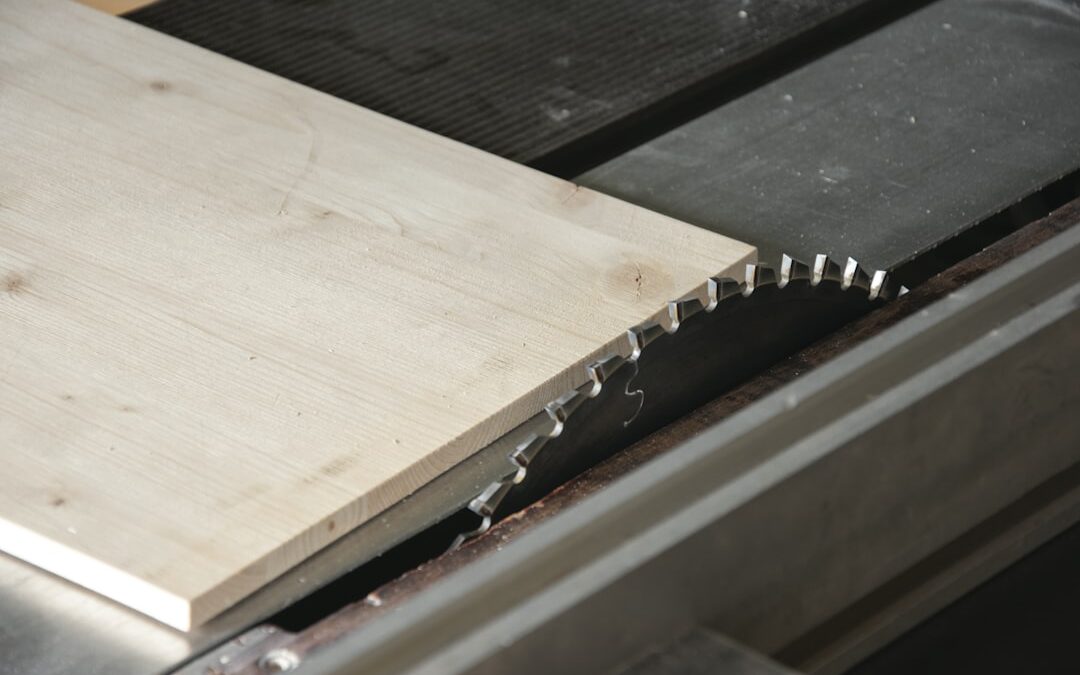
Some common woodworking tools include saws, chisels, planes, drills, and sanders. Each tool requires proper technique and care to ensure accurate cuts and smooth finishes. For example, when using a saw, it’s important to use the appropriate type of saw for the task at hand and to maintain a steady hand to achieve straight cuts.
Safety Precautions in Woodworking
Safety should always be a top priority in woodworking. Working with sharp tools and machinery can be dangerous if proper precautions are not taken.
Some essential safety precautions include wearing protective gear such as safety glasses, ear protection, and gloves. It’s also important to keep the work area clean and organized to prevent accidents. Additionally, understanding how to use tools safely and following manufacturer guidelines is crucial.
Sanding and Finishing Techniques

Sanding and finishing are important steps in woodworking that can greatly enhance the appearance and feel of a project. Sanding helps to smooth out rough surfaces and remove any imperfections, while finishing adds protection and enhances the natural beauty of the wood.
There are various sanding techniques and tools available, such as sandpaper, sanding blocks, or power sanders. The choice of technique depends on the size of the project and personal preference. When it comes to finishing, there are numerous options including varnish, stain, or paint. Each finish has its own unique properties and application methods.
Joinery Methods and Their Importance
Joinery refers to the method used to connect two or more pieces of wood together. There are various types of joinery methods, each with its own strengths and weaknesses.
Common joinery methods include butt joints, dado joints, mortise and tenon joints, and dovetail joints. The choice of joinery method depends on factors such as the strength required for the project, the desired aesthetic, and the skill level of the woodworker.
Planning and Designing Your Project
Before starting any woodworking project, it’s important to plan and design it thoroughly. This involves considering the purpose of the project, the desired dimensions, and the overall design aesthetic.
Planning and designing your project allows you to visualize the end result and make any necessary adjustments before starting. It also helps in creating a materials list and estimating the cost of the project.
Budgeting and Purchasing Materials
Budgeting and purchasing materials is an important aspect of woodworking. It’s essential to have a clear understanding of your project’s needs and your budget before making any purchases.
Creating a materials list based on your project’s requirements will help you determine the quantity and type of wood needed. Additionally, researching prices and comparing different suppliers can help you find the best deals and stay within your budget.
Tips for Troubleshooting Common Woodworking Mistakes
Even experienced woodworkers make mistakes from time to time. However, knowing how to troubleshoot common woodworking mistakes can save you time, money, and frustration.
Some common woodworking mistakes include inaccurate measurements, uneven cuts, or gaps in joinery. To troubleshoot these issues, it’s important to identify the cause of the problem and find a solution. This may involve adjusting measurements, using a different tool or technique, or filling gaps with wood filler.
Learning the basics of woodworking is essential for beginners who want to embark on their own woodworking projects. From choosing the right wood to understanding proper tool usage and safety precautions, each step plays a crucial role in achieving successful results. By following these tips and techniques, beginners can gain confidence in their woodworking skills and create beautiful pieces that they can be proud of. So why wait? Start your own woodworking journey today!
If you’re a beginner in woodworking, it’s important to be aware of common pitfalls and how to avoid them. One helpful resource that can guide you in making informed decisions is an article on Clever Wood Projects titled “Wood or Steel Workbench: Build vs Buy.” This article discusses the pros and cons of building your own workbench versus purchasing one, helping you choose the option that best suits your needs and budget. Additionally, Clever Wood Projects offers a compilation of the “Top Woodworking Videos of the Week,” providing valuable insights and inspiration from experienced woodworkers. For those interested in sustainable woodworking, their article on “Reclaimed Wood Projects” showcases creative ideas for repurposing salvaged wood, promoting eco-friendly practices. By exploring these articles and resources, you can enhance your woodworking skills while avoiding common pitfalls along the way.
FAQs
What are some common pitfalls for beginners in woodworking?
Some common pitfalls for beginners in woodworking include using the wrong tools, not measuring accurately, not sanding properly, and not using the right type of wood for the project.
How can beginners avoid using the wrong tools?
Beginners can avoid using the wrong tools by doing research on the tools needed for their specific project, asking for advice from experienced woodworkers, and investing in quality tools that will last.
What are some tips for measuring accurately?
Some tips for measuring accurately include using a quality measuring tape or ruler, double-checking measurements before cutting, and using a square to ensure straight cuts.
Why is sanding important in woodworking?
Sanding is important in woodworking because it helps to smooth out rough edges and surfaces, removes any imperfections, and prepares the wood for staining or painting.
How can beginners choose the right type of wood for their project?
Beginners can choose the right type of wood for their project by considering the wood’s hardness, durability, and grain pattern, as well as its availability and cost. It’s also important to consider the wood’s intended use and whether it will be exposed to moisture or other elements.