Picking up a handcrafted woodworking gift has a unique quality in a world full of mass-produced goods. There’s no way that store-bought goods can match the value of these handmade & customized creations. The happiness that these handcrafted treasures bring, to both the giver & the lucky recipient, is immeasurable. When it comes to woodworking, the kind of wood you select has a big impact on how your project turns out. Color, grain pattern, and hardness are just a few of the distinctive qualities that distinguish each type of wood.
Key Takeaways
- Handcrafted woodworking gifts are important because they are unique and personalized.
- Choosing the right wood for your project is crucial for achieving the desired outcome.
- Essential tools and techniques for crafting fine woodworking gifts include measuring, cutting, sanding, and finishing.
- Designing and planning your woodworking gift project involves considering the recipient’s preferences and needs.
- Adding personal touches to your woodworking gifts can make them even more special and meaningful.
These things should be taken into account when choosing the wood for your gift. Apart from that, ethical & sustainable factors should also be considered. You can be sure that you are not a part of deforestation or other destructive practices by choosing wood that has been sourced responsibly. For wood that is sustainable, look for certification from groups like the Forest Stewardship Council (FSC).
Another crucial thing to think about is matching the wood to the project. Certain kinds of gifts work better in some woods than in others. For furniture, for instance, hardwoods like walnut and oak work well, but softer woods like pine & cedar work better for smaller decorative pieces. You’ll need a few basic tools and a solid grasp of various techniques to make lovely woodworking gifts.
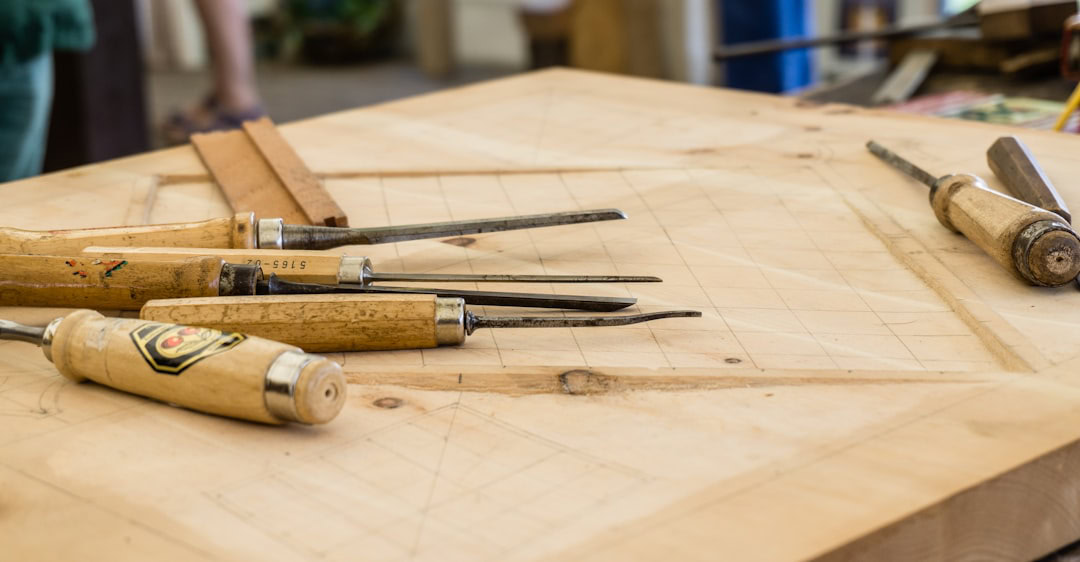
A saw, chisels, a plane, a drill, and sandpaper are a few of the basic instruments you’ll need. Understanding the proper use of each tool is crucial for a project’s success because each one has a distinct function. Prioritizing safety measures is crucial whenever using woodworking tools. Make sure you follow the correct safety procedures and put on protective gear, such as gloves and safety glasses.
| Metrics | Data |
|---|---|
| Number of woodworking gifts crafted | 50 |
| Number of hours spent crafting gifts | 100 |
| Number of different woodworking techniques used | 8 |
| Number of gifts sold | 30 |
| Number of gifts given as presents | 20 |
| Number of positive customer reviews | 15 |
| Number of repeat customers | 10 |
Though it’s vital to always put safety first, woodworking can be a fulfilling hobby. For making robust & long-lasting woodworking gifts, joinery techniques are also essential. In woodworking, methods like mortise and tenon joints, finger joints, and dovetail joints are frequently utilized. Acquiring knowledge of these methods will enable you to join various pieces of wood in a robust & aesthetically pleasing manner. Having a clear design & plan in mind is essential before you begin cutting and shaping the wood.
Making necessary revisions before beginning construction can be facilitated by drafting and sketching your ideas. This will help you see the finished product. Accurate measurement and cutting are necessary for a successful woodworking project. To guarantee exact measurements, use measuring instruments like a combination square and a tape measure.
When cutting the wood, take your time to prevent any mistakes that could affect the outcome. While working on woodworking gifts, making templates and jigs can also be useful. Jigs help hold the wood firmly in place while cutting or shaping it, and templates are used to trace and duplicate specific shapes. Your woodworking projects’ accuracy and productivity can be substantially increased with the help of these tools. Customization and adding special touches are two benefits of giving handcrafted woodworking gifts. Several techniques, including engraving & carving, can be used to accomplish this.
Names, dates, or heartfelt notes can be engraved onto your gift using a router or woodburning tool. On the other hand, carving entails removing wood in order to reveal complex patterns or designs. Woodworking gifts can also be enhanced visually by painting or staining them. These techniques are also very common. To get the right look, use paints or stains made especially for wood and apply them with caution.
Try out various methods to create distinctive finishes, like distressing or layering. Adding interest and variety to your woodworking gifts can also be achieved by incorporating other materials. To go with the wood, think about adding metal accents like handles or hinges. To make unique pieces, you can also mix and match wood with other materials like fabric or glass. Once your gift of woodworking is finished, it’s critical to properly finish and protect it. A polished and smooth surface can be achieved by sanding & smoothing the wood.
For a polished finish, start with sandpaper that has a coarse grit & work your way up to a finer one. It’s essential to apply finishes and sealants to shield the wood from moisture, UV light, and general wear and tear. Oil-based finishes, lacquer, and varnish are just a few of the different finishes that are available. Select a finish that complements the type of wood and the style you want for your gift.
Maintaining the final product is crucial to ensuring its longevity. The gift should not be exposed to extremely high or low temperatures or direct sunlight as this may cause the wood to fade or warp. For years to come, the gift’s beauty & integrity can be preserved with regular cleaning and maintenance. A gift related to woodworking has equal significance in its presentation as it does in its actual use. Making the right wrapping material choices can improve the presentation overall and give the recipient a sense of anticipation.
To accentuate the wood’s rustic charm, think about utilizing organic materials like twine or burlap. Your gift’s presentation can be improved by adding decorations & embellishments. To make it even more special, add a tiny ornament or a personalized gift tag. For an additional touch of sophistication & elegance, try using dried flowers, bows, and ribbons.
An even more memorable experience can be had by thoughtfully presenting the gift. To display the woodworking gift, think about making a display stand or a personalized gift box. To further express your love & gratitude, include a handwritten note or a heartfelt message. Gifts made by hand are appropriate for many different occasions and recipients. Personalized wooden cutting boards, decorative wall clocks, or a set of wooden coasters engraved with the couple’s initials or wedding date are some ideas to get you started on your next project. – Wooden toy chests, rocking horses, or sets of building blocks can be crafted as gifts for babies and kids.
Put the child’s name or a special design on these gifts to make them uniquely yours. Handmade wooden ornaments, seasonal signs, or snowflake decorations can be given as holiday & seasonal gifts. You can treasure these gifts for years to come. – Gifts for both men and women: For men, think about building a wooden watch, cigar humidor, or beer caddy. Gifts like a jewelry box, a wooden picture frame, or a hand-carved hair accessory would be very appreciated by women. Selling your handmade gifts can be a fulfilling endeavor if you have a talent for woodworking and want to make it your business.
The following are some pointers & tactics to get you going: – Opening an online store: Make a website or use an online marketplace to display and market your woodworking talents. To draw in potential clients, take excellent pictures and provide thorough descriptions. – Taking part in craft fairs and markets: To demonstrate your woodworking talents in person, rent a booth at nearby craft fairs or markets. This gives clients a chance to personally witness and experience the caliber of your work. – Expanding your clientele: Use social media sites and other marketing techniques to get in front of more people. Interact with your clients to get their feedback and encourage them to tell others about your work.
Handmade woodworking gifts are distinctive & special in a world where mass-produced goods rule the market. Making something with your own hands provides an unmatched sense of satisfaction. Giving is made even more enjoyable by the recipient’s gratitude and appreciation, and handmade gifts have sentimental value that endures a lifetime. There are countless opportunities to make unique and heartfelt gifts when you master the craft of woodworking, regardless of experience level.
Every stage of the process, from selecting the ideal wood to putting finishing touches and giving the gift with care, adds to the overall beauty and worth of the finished item. Thus, grab your supplies, let your imagination run wild, and get to work creating those unique woodworking presents right away.
If you’re passionate about crafting fine woodworking gifts, you’ll definitely want to check out this informative article on Clever Wood Projects. It explores the technical art of woodworkings and provides valuable insights into honing your skills. Whether you’re a beginner or an experienced woodworker, this article will surely inspire you to take your craftsmanship to the next level. So, grab your tools and head over to https://cleverwoodprojects.org/wood-workings-technical-art/ to delve into the world of woodworking mastery.
FAQs
What is fine woodworking?
Fine woodworking is a type of woodworking that involves creating high-quality, intricate pieces of furniture or decorative objects using traditional techniques and high-quality materials.
What are some examples of fine woodworking gifts?
Examples of fine woodworking gifts include hand-carved wooden bowls, intricately designed jewelry boxes, custom-made furniture pieces, and decorative wooden sculptures.
What types of wood are commonly used in fine woodworking?
Common types of wood used in fine woodworking include cherry, maple, walnut, oak, and mahogany. These woods are prized for their durability, beauty, and workability.
What tools are needed for fine woodworking?
Tools commonly used in fine woodworking include hand saws, chisels, planes, routers, and sanders. These tools are used to shape and refine the wood into the desired form.
What skills are required for fine woodworking?
Fine woodworking requires a high level of skill and attention to detail. Woodworkers must have a deep understanding of wood grain, joinery techniques, and finishing methods. They must also have the ability to visualize the finished product and work with precision to achieve their vision.
Where can I learn fine woodworking?
There are many resources available for learning fine woodworking, including classes at local woodworking schools, online tutorials and videos, and books and magazines on the subject. Many woodworkers also learn through apprenticeships with experienced craftsmen.