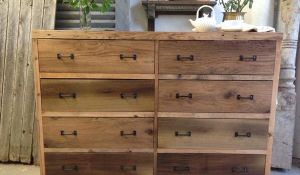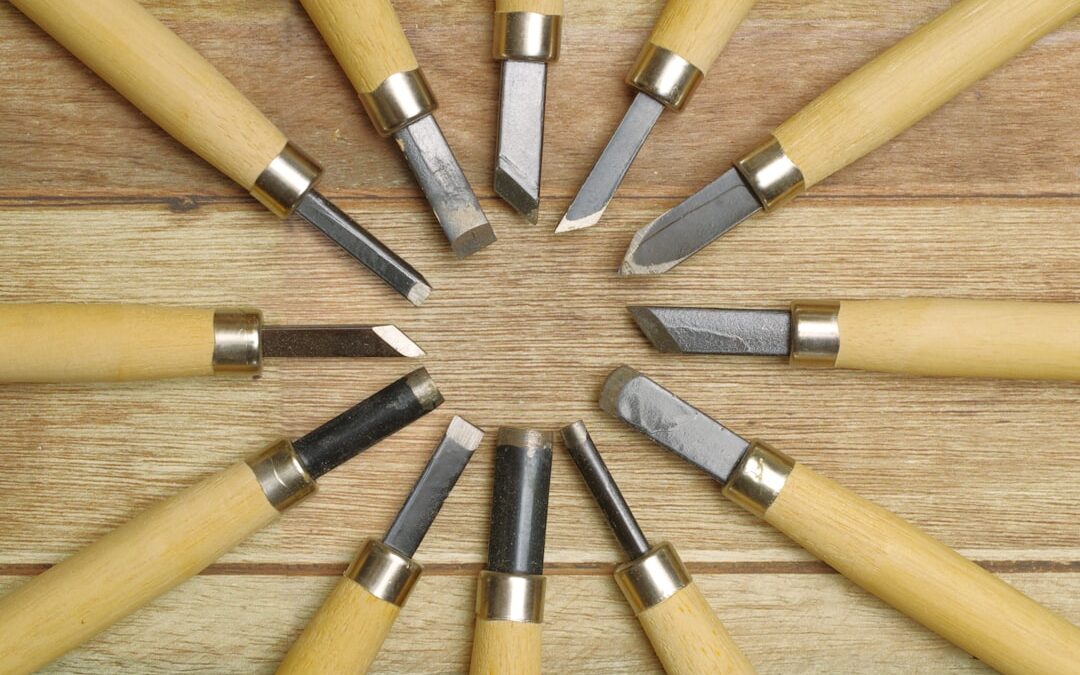
Modern approaches to the ancient art of woodworking are known as contemporary fine woodworking. It creates one-of-a-kind, artistic pieces by fusing traditional techniques with creative designs. In contrast to traditional woodworking, which frequently focuses on practical and utilitarian objects, contemporary fine woodworking pushes the limits of the medium to create objects that are both functional & artistic. As artists and craftsmen experiment with new materials and techniques to create truly innovative designs, interest in contemporary fine woodworking has grown in recent years.
Key Takeaways
- Contemporary fine woodworking involves innovative designs that push the boundaries of traditional woodworking.
- Technology plays a significant role in contemporary fine woodworking, allowing for precision and efficiency in the creation process.
- Innovative design techniques, such as 3D printing and laser cutting, are being used in contemporary fine woodworking to create unique and intricate pieces.
- Materials and finishes in contemporary fine woodworking range from traditional wood to unconventional materials like metal and glass.
- Sustainability is a growing concern in contemporary fine woodworking, with many artists using reclaimed and eco-friendly materials in their work.
The unusual shapes, textures, & finishes used in these designs frequently subvert preconceived ideas about woodworking. Dating back thousands of years, woodworking has a rich history. From the craftsmen of the Renaissance to the ancient Egyptians, woodworking has always been an essential aspect of human civilization. As new tools, methods, and materials have been introduced, the craft has changed over time.
The term “traditional woodworking” describes methods and styles that have been handed down through the years. It frequently places a strong focus on joinery and craftsmanship, as well as functionality and longevity. Joinery made by hand, planing by hand, and carving by hand are examples of traditional woodworking methods.
Conversely, modern fine woodworking draws inspiration from age-old methods while incorporating new elements. It uses cutting edge design principles, materials, & technology to produce objects that are both aesthetically pleasing and useful. In their designs, contemporary woodworkers frequently borrow elements from other artistic mediums like sculpture & architecture. Fine woodworking in the modern era has evolved significantly thanks in large part to technology.
| Category | Metric |
|---|---|
| Design | Innovative |
| Material | Fine Wood |
| Style | Contemporary |
| Quality | High |
| Functionality | Practical |
| Price | Varies |
Woodworkers now approach their craft in a completely new way thanks to innovations in machinery, computer-aided design (CAD), and tools. Among the most important technological developments in woodworking is the application of computer numerical control (CNC) equipment. The movement of the cutting tools is controlled by computer programs in these machines, enabling finely detailed cuts. With the aid of CNC machines, woodworkers can now produce intricate designs that would be very difficult to accomplish by hand. Other technologies that have made their way into the woodworking studio alongside CNC machines are laser cutters and 3D printers.
Woodworkers can now experiment with novel materials & produce intricate details that were previously only achievable through laborious handwork thanks to these tools. Technology has certainly increased the possibilities for woodworking, but it also begs the question of how important human touch and craftsmanship are to the creative process. While some contend that technology detracts from the authenticity and individuality of handcrafted items, others view it as an instrument that fosters accuracy & creativity. Modern fine woodworking is distinguished by its creative design approaches that stretch the limits of the medium.
In order to create genuinely unique pieces, woodworkers are continuously experimenting with new forms, textures, and finishes. Utilizing organic shapes and forms is one design strategy that has grown in popularity in modern woodworking. The natural curves and imperfections of the wood itself are being embraced by woodworkers in place of rigid geometric patterns.
This method produces works with a sense of movement & visual dynamic. The use of mixed materials is another cutting-edge design strategy. To create pieces that are both visually arresting and tactile, woodworkers are fusing wood with other materials like metal, glass, and even textiles. The end result has more depth & complexity as a result of this material blending. New surface treatments and finishes are also being experimented with by modern woodworkers.
They are employing methods like bleaching, burning, and dyeing in place of conventional stains and varnishes to produce distinctive textures & hues. These finishes bring out the wood’s inherent beauty while also protecting it. Both conventional & non-traditional materials are used extensively in fine woodworking nowadays. In addition to wood, which is still the most popular material, woodworkers are increasingly using recycled materials, metal, and glass in their creations. The distinctive grain patterns and vibrant hues of exotic hardwoods like zebrawood, rosewood, and ebony are popular uses for them. The finished product has an air of refinement and luxury thanks to these woods.
To produce ecologically friendly pieces, modern woodworkers are also investigating sustainable substitutes like bamboo & reclaimed wood. Modern woodworkers are experimenting with new finishes instead of sticking to the tried-and-true stains and varnishes. Bleaching is a widely used method that preserves the natural grain of the wood while lightening its color.
A charred effect produced by burning, on the other hand, gives the surface more depth and texture. The finished product has a modern and artistic touch thanks to these unusual finishes. Because it determines the final piece’s strength and durability, joinery is a crucial component of woodworking. Woodworkers are pushing the envelope in terms of design & functionality in fine woodworking today by investigating fresh and inventive joinery techniques. The use of invisible or hidden joints is one modern joinery technique.
These days, woodworkers are utilizing doweling, biscuit joinery, & even adhesives in place of conventional mortise and tenon or dovetail joints to achieve smooth connections. These hidden joints give the piece structural integrity in addition to improving its aesthetic appeal. Using contrasting materials is another modern joinery technique. In an effort to create visually arresting connections, woodworkers are incorporating glass, metal, and even cloth into their joinery. These joints made of different materials give the finished product a distinctive and creative feel.
With the increasing demand for wood, the woodworking community is becoming more concerned about sustainability. The use of sustainable materials and techniques is how modern fine woodworking is addressing these issues. Using reclaimed wood is one way woodworkers are encouraging sustainability. Reclaimed wood is given a second chance at life by being removed from abandoned buildings, barns, and other structures.
Woodworkers are minimizing waste & lowering the demand for new timber by employing reclaimed wood. Modern woodworkers are also investigating more sustainable materials than conventional hardwoods, like bamboo & other quickly growing species. These materials are quicker to harvest than hardwoods, but they still have comparable qualities. Woodworkers are implementing ecologically friendly finishing methods in addition to employing sustainable materials. For example, water-based finishes are getting more and more well-liked because they produce less volatile organic compounds (VOCs) than conventional solvent-based finishes.
Not only are these finishes safer for woodworkers, but they are also better for the environment. A distinct fusion of art and utility can be found in contemporary fine woodworking. Not only are woodworkers producing aesthetically arresting pieces, but they are also exceedingly useful and practical.
The design process is one method used by modern woodworkers to accomplish this balance. They incorporate functional elements into the design while giving careful consideration to the intended use of the piece. To ensure that it is comfortable to sit in for extended periods of time, a chair may be designed with ergonomics in mind. In terms of form & structure, modern woodworkers are also pushing the envelope. Their creations subvert conventional ideas about woodworking and conflate furniture and art.
Because they combine artistic expression with functionality, these pieces frequently become the center of attention in a room. Nowadays, fine woodworking is practiced by artists and craftspeople all over the world, making it a phenomenon. Woodworking designs & techniques are influenced by diverse cultures & traditions, giving rise to distinctive styles & methods. Traditional woodworking methods like joinery and hand-planing, for instance, are still highly prized in Japan.
Expertise and meticulousness are hallmarks of Japanese woodworkers, who produce aesthetically pleasing and highly functional pieces. On the other hand, simplicity and minimalism in woodworking are highly valued in Scandinavia. To create elegant yet modest pieces, Scandinavian woodworkers frequently use light-colored woods and simple lines. Intricate carvings and patterns are frequently used in African woodworking, which has a strong cultural tradition. African woodworkers are renowned for their ability to craft intricate, emotive, and narratively rich pieces.
Modern fine woodworking has a promising future as new developments and trends appear in the industry. By experimenting with novel techniques, materials, and designs, woodworkers are continuously pushing the envelope of what is feasible. Using environmentally friendly and sustainable materials is one of the newest trends in modern woodworking. Woodworkers are looking into alternative materials and implementing sustainable practices in response to the growing demand for eco-friendly products. The incorporation of technology into the woodworking process is another trend.
Woodworkers are discovering new ways to use technology into their craft as it develops. Technology is transforming the way woodworkers design and create, from CNC machines to 3D printers. An increasing number of people are drawn to designs that have deeper meanings or tell a story. Created objects that arouse feelings and stimulate thought, woodworkers are incorporating narrative & symbolism into their designs.
In conclusion, the field of fine woodworking in the modern era is dynamic and constantly changing, fusing traditional methods with cutting-edge designs. By crafting items that are both useful & visually arresting, woodworkers are expanding the realm of what is conceivable in the craft. Woodworkers of today are reshaping the future of their craft with innovative design methods, sustainable practices, and the application of technology. Inspiring and captivating, exploring contemporary fine woodworking is sure to satisfy the needs of woodworking enthusiasts as well as those who just enjoy the beauty of well crafted objects.
If you’re interested in contemporary designs in fine woodworking, you won’t want to miss this informative article on “Crafting Simple Wood Joint” from Clever Wood Projects. This article dives into the art of creating strong and visually appealing wood joints, providing step-by-step instructions and helpful tips. Whether you’re a beginner or an experienced woodworker, this article is a valuable resource for enhancing your woodworking skills. Check it out here.
FAQs
What is fine woodworking?
Fine woodworking is a type of woodworking that involves creating high-quality, intricate pieces of furniture or other decorative objects using traditional techniques and high-quality materials.
What are contemporary designs in fine woodworking?
Contemporary designs in fine woodworking refer to modern, innovative designs that incorporate traditional woodworking techniques with new materials and technology.
What are some examples of contemporary designs in fine woodworking?
Examples of contemporary designs in fine woodworking include furniture pieces with clean lines and minimalist designs, as well as pieces that incorporate unique materials such as metal or glass.
What are some benefits of contemporary designs in fine woodworking?
Contemporary designs in fine woodworking offer a fresh take on traditional woodworking techniques, allowing for more creativity and innovation in the field. They also appeal to a wider range of consumers who are looking for modern, unique pieces for their homes.
What skills are required for fine woodworking?
Fine woodworking requires a high level of skill and attention to detail. Woodworkers must have a thorough understanding of woodworking techniques, as well as knowledge of different types of wood and how to work with them.
What tools are needed for fine woodworking?
Tools needed for fine woodworking include hand tools such as chisels, saws, and planes, as well as power tools such as table saws, routers, and sanders. High-quality tools are essential for achieving precise, professional results.